
Beautiful Plants For Your Interior
Beautiful Plants For Your Interior
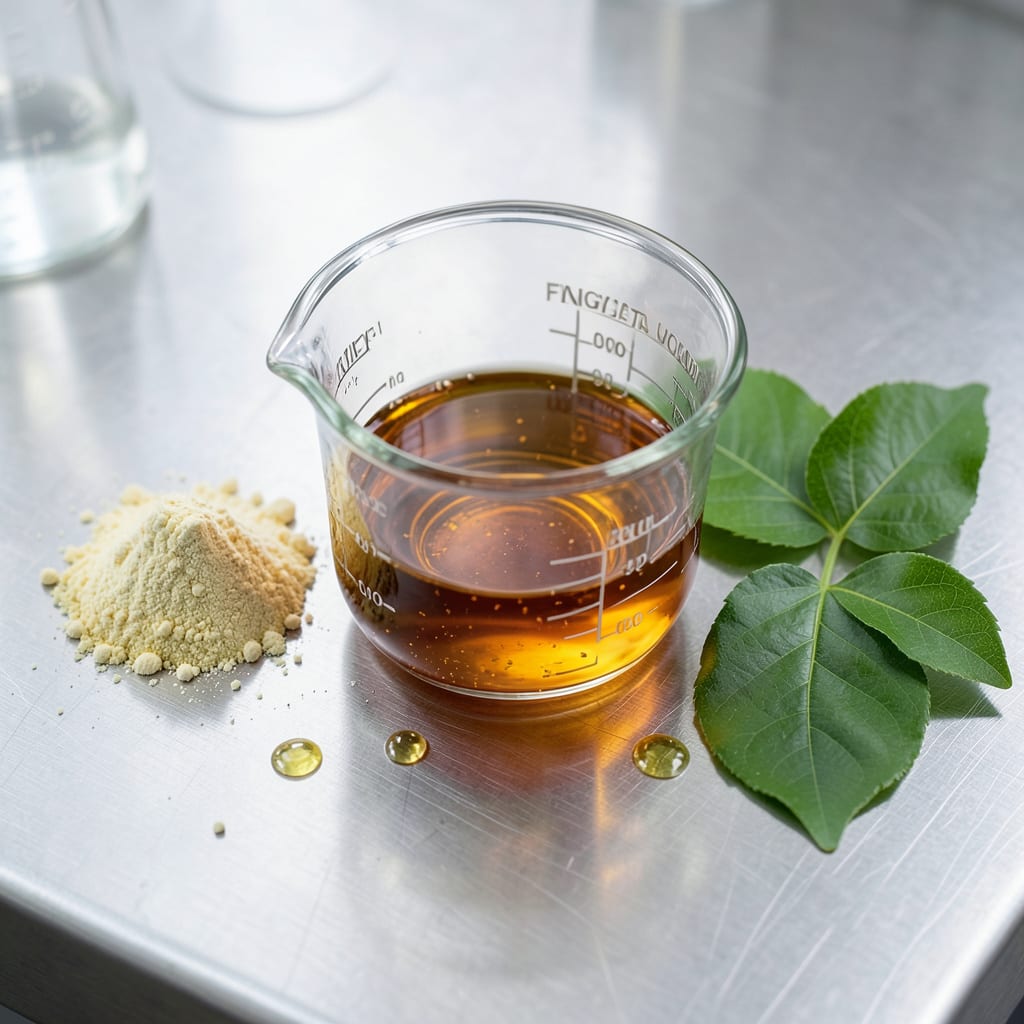
Black root rot silently destroys plants before you notice. I lost an entire bed of peppers to it last summer, and the lesson stuck—this fungal disease thrives in wet, compacted soil, turning healthy roots black and mushy.
The key is catching it early. Look for stunted growth, yellowing leaves, and roots that snap like overcooked spaghetti. Once identified, a copper-based fungicide or organic options like neem oil can stop the spread.
Prevention is simpler than treatment. Improve drainage, rotate crops, and avoid overwatering. Healthy soil with good airflow keeps this problem from starting.
Works for vegetables, herbs, and ornamentals. Here’s how to save your plants before it’s too late.
Black root rot is a destructive fungal disease that attacks the roots of plants, leading to stunted growth, wilting, and even death. Understanding why it happens is key to preventing its spread and protecting your garden or crop. Here are the primary causes:
The main culprit behind black root rot is the fungal pathogen Thielaviopsis basicola. This soil-borne fungus thrives in warm, moist conditions and infects a wide range of plants, including ornamental flowers, vegetables, and woody shrubs. The fungus produces thick-walled spores called chlamydospores, which can survive in the soil for years, waiting for the right conditions to germinate and attack plant roots.
Plants growing in poorly drained or waterlogged soils are highly susceptible to black root rot. Excess moisture creates an ideal environment for Thielaviopsis basicola to proliferate. Roots that are constantly saturated cannot absorb oxygen efficiently, weakening the plant and making it more vulnerable to fungal infection.
This fungal disease thrives in temperatures between 75–85°F (24–29°C) and high humidity levels. These conditions accelerate spore germination and fungal growth, increasing the likelihood of infection. Greenhouses and areas with poor air circulation are particularly prone to outbreaks.
Some plants are naturally more vulnerable to black root rot. Species like pansies, petunias, and certain vegetables (e.g., carrots and strawberries) are common targets. Additionally, plants that are already stressed due to poor nutrition, overcrowding, or other diseases are more likely to succumb to the fungus.
The fungus can spread through contaminated gardening tools, pots, or infected soil. Using non-sterilized tools or replanting in the same soil without treatment can introduce Thielaviopsis basicola to healthy plants, leading to new infections.
Black root rot can be stubborn, but the right approach will help you reclaim healthy plants. Below are targeted solutions based on the root causes, along with prevention tips to keep your garden thriving.
If Thielaviopsis basicola is confirmed, treat affected plants with a copper-based fungicide or biofungicides like Trichoderma or Bacillus strains. For organic gardens, neem oil or compost tea can suppress fungal growth. Apply according to the product’s instructions, focusing on the soil and root zone. Repeat every 7–10 days until symptoms subside.
Soggy soil is a breeding ground for black root rot. Fix this by:
Weak or compacted soil invites disease. Revitalize it by:
Early action is key—spot yellowing leaves or stunted growth? Act fast! With these steps, you can stop black root rot in its tracks and protect your garden’s future. ✨
Apply copper-based fungicide every 7-10 days until symptoms disappear. For prevention, treat every 2-3 weeks during warm, humid seasons when the fungus thrives.
Yes! Neem oil, compost tea, or Trichoderma are effective organic options. Apply neem oil every 5-7 days or use compost tea as a soil drench weekly.
Rotate crops, improve drainage with compost, and sterilize tools with 10% bleach solution. Remove infected plants entirely to eliminate spores.
Pansies, petunias, strawberries, and carrots are highly susceptible. Also watch ornamentals in poorly drained or acidic soil.
