
Beautiful Plants For Your Interior
Beautiful Plants For Your Interior
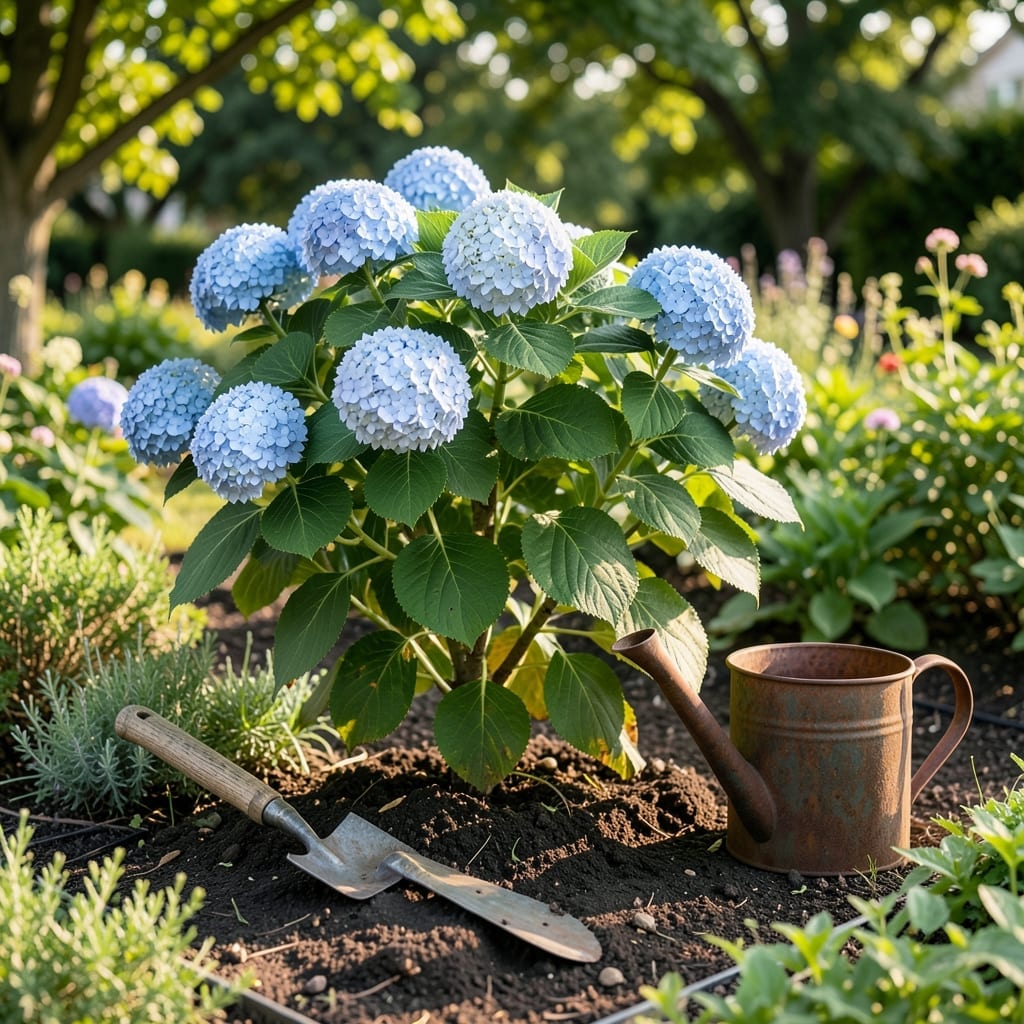
I lost my first hydrangea within weeks of planting it. The leaves wilted, the stems sagged, and I was left staring at a sad, lifeless bush where I’d imagined vibrant blooms by summer.
Turns out, most new hydrangeas die from preventable mistakes—wrong depth, poor watering, or ignoring transplant shock. I learned the hard way that even healthy nursery plants need extra care those first critical days.
Now I plant them right the first time: proper hole depth, consistent moisture, and a little shade to ease the transition. Most bounce back faster than you’d expect.
If yours is already struggling, don’t give up. With the right steps, even a wilting hydrangea can make a full recovery.
Newly planted hydrangeas are vulnerable to transplant shock, a physiological stress response that disrupts their ability to absorb water and nutrients. This often leads to wilting, leaf drop, or even death. Below are the most common causes, explained with actionable insights.
Hydrangeas have fibrous root systems that are highly sensitive to damage. If roots are torn, crushed, or exposed to air for too long during transplanting, they struggle to re-establish. Solution: Always handle the root ball gently, and plant at the same depth as the nursery container to avoid smothering the crown.
Inconsistent moisture is a leading killer. Overwatering suffocates roots, promoting rot, while underwatering dehydrates the plant before it can anchor. Hydrangeas need 1–2 inches of water per week, but soil must drain well. Tip: Check moisture 2 inches deep—dry? Water. Soggy? Hold off.
Hydrangeas thrive in partial shade (4–6 hours of morning sun). Full sun scalds leaves, and deep shade starves them of energy. Temperature swings (e.g., late frosts or heatwaves) also stress new plants. Fix: Plant in a sheltered spot and use mulch to stabilize soil temperature.
These acid-loving shrubs prefer a pH of 5.2–6.2. Alkaline soil locks out iron and aluminum, causing chlorosis (yellow leaves). Poor soil structure (e.g., heavy clay) can also suffocate roots. Action: Test soil before planting and amend with compost or sulfur if needed.
Don’t panic—your hydrangea may still have a fighting chance! Here’s how to diagnose and fix common issues, plus prevention tips to keep it thriving.
If your hydrangea wilted right after planting, it’s likely suffering from transplant shock. Water deeply (1-2 inches per week) to help roots settle. Add a shade cloth for 1-2 weeks to reduce stress. Prevention: Plant on a cloudy day or in the evening, and avoid disturbing the roots.
Check the soil: if it’s bone-dry, soak the base until water drains from the bottom. If soggy, improve drainage by mixing in compost or moving to a raised bed. Prevention: Use mulch to retain moisture and water at the base (not leaves) to avoid fungus.
Hydrangeas need morning sun + afternoon shade. If leaves are crispy, move it to a shadier spot. If it’s leggy and weak, gradually introduce more light. Prevention: Scout your garden’s sun patterns before planting.
New plants are sensitive to heat or frost. Cover with burlap if frost is forecast, or mist leaves during heatwaves. Prevention: Plant in spring or fall, avoiding summer’s peak heat.
Pro tip 💡: Trim dead stems to redirect energy, but avoid heavy pruning until the plant recovers!
Most hydrangeas recover from transplant shock within 2-4 weeks with proper care. Keep soil consistently moist and provide afternoon shade to speed up the process.
Yellowing leaves and soggy soil are key indicators. If the stem feels soft or mushrooms appear nearby, reduce watering immediately.
Yes! Cut back dead stems and water deeply. Many revive within 1-2 weeks if roots remain healthy. Remove only clearly dead growth.
Evening is ideal—cooler temps reduce stress. If planting in morning, choose a cloudy day and water thoroughly afterward.