
Beautiful Plants For Your Interior
Beautiful Plants For Your Interior
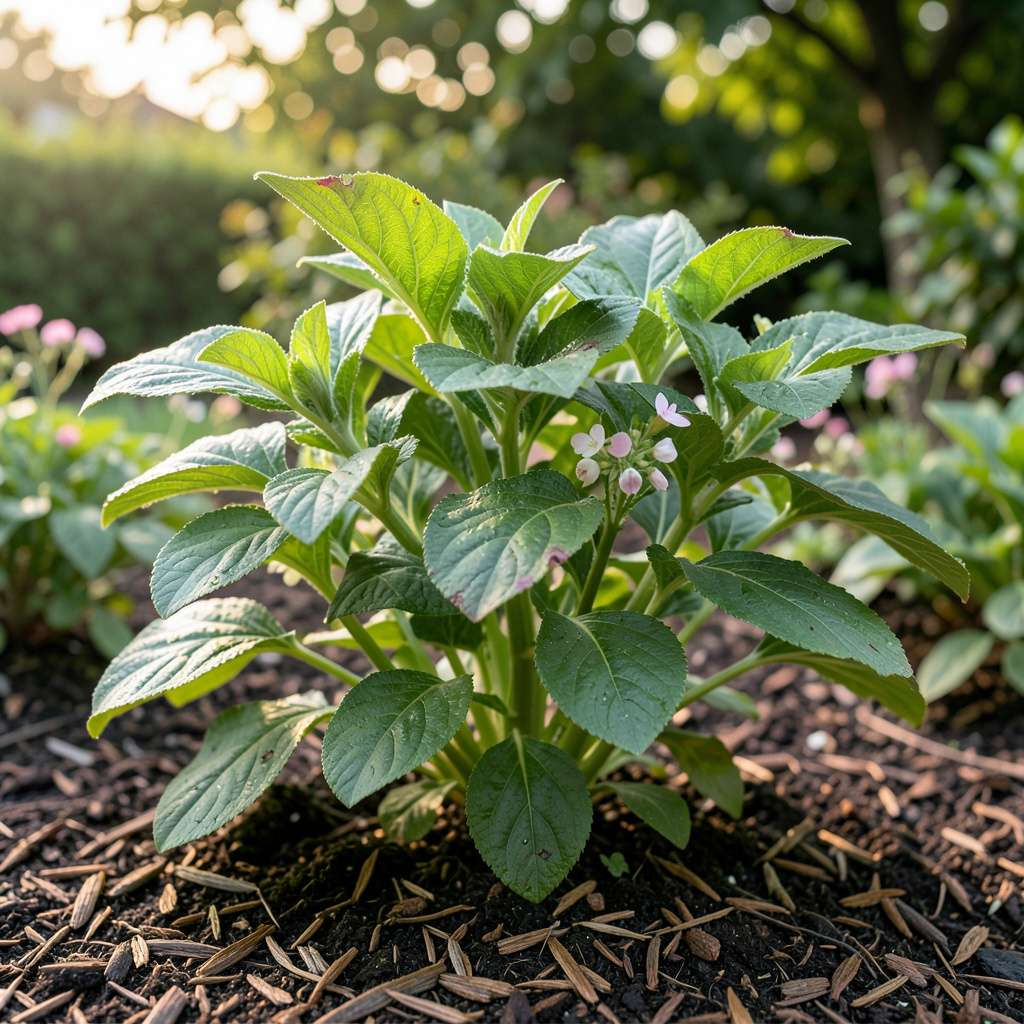
Yes, many plants can recover from cold shock if damage isn’t severe. Look for green stems or new growth as signs of life. Gradual warming, proper watering, and pruning dead tissue improve survival chances.
Plants have remarkable resilience when given the right conditions to bounce back. 🌱 What often surprises gardeners is how quickly some species can regenerate—even after looking completely wilted. The key lies in understanding that cold damage often affects only the outer tissues first, leaving the core vascular system intact. I’ve seen tomatoes and peppers that looked hopeless after a late frost produce new shoots within weeks when given consistent care and protection from further temperature swings.
Timing and technique make all the difference in revival efforts. The gradual approach prevents additional stress, while strategic pruning redirects the plant’s energy toward healthy growth. What’s fascinating is how different plants respond—tender annuals might need more coddling than hardy perennials, but both can often be nursed back to full productivity with patience. ✨
💡 In This Article
When temperatures plummet, the water inside plant cells forms sharp ice crystals that physically rupture cell walls. This cellular damage is what causes the mushy, discolored appearance in frostbitten leaves and stems.
🌡️ What’s fascinating is that plants have evolved different coping mechanisms—hardy varieties like kale or cabbage can survive internal temperatures down to 28°F by producing natural antifreeze proteins, while tender plants like basil or tomatoes start showing damage at 40°F.
The metabolic slowdown during cold shock is equally critical. Below 50°F, many plants’ enzyme systems become sluggish, halting growth and nutrient transport. I’ve observed this firsthand with pepper plants—their leaves turn dark green and brittle overnight when exposed to unexpected chills.
The recovery process begins when temperatures rise above 60°F, allowing photosynthesis to resume and damaged tissues to regenerate from meristem cells (the plant’s stem cells).
Different plant types respond dramatically differently to temperature drops. Woody perennials like roses can often recover because their dormant buds remain protected beneath bark layers. In contrast, succulents store water in their leaves, making them particularly vulnerable to cell rupture.
💧 The recovery timeline varies too—herbaceous plants might show new growth within 7-10 days, while woody plants can take 3-4 weeks to demonstrate clear signs of revival.
The internal repair process is nothing short of remarkable. Plants activate stress-response genes that produce protective compounds like proline and sugars that stabilize cell membranes. This is why gradual warming works better than sudden heat—it gives these repair mechanisms time to activate.
I’ve successfully revived seemingly dead geraniums by moving them to 65°F environments and maintaining consistent moisture, allowing their vascular systems to slowly rehydrate damaged tissues.
What many gardeners don’t realize is that cold damage often appears worse than it actually is. The blackened leaves you see are typically just the outer tissue layers—if the central stem remains firm and green when scratched, the plant’s transport system is likely intact.
This is particularly true for plants with extensive root systems like tomatoes or peppers, which can regrow entire above-ground structures from their roots if given proper care and time.
The recovery potential also depends on how quickly you intervene. Plants left in cold conditions continue suffering damage, while those moved to warmer environments within 24-48 hours have significantly better survival rates. I always recommend checking soil temperature too—roots need to be above 45°F to begin absorbing water and nutrients again. ✨
Use the scratch test: gently scrape the stem with your fingernail. If you see green tissue beneath the outer layer, your plant is still alive. Also check for any new growth at the base—even tiny green shoots indicate recovery is possible.
Wait 3-5 days before pruning to see which leaves truly died. Some wilted foliage may recover once temperatures stabilize. When pruning, remove only 1/3 of damaged foliage at a time to avoid stressing the plant further.
Herbaceous plants often show new growth within 7-14 days, while woody plants may take 3-4 weeks. If you see no improvement after 3 weeks, the plant may not recover. Succulents and tropicals typically show signs sooner or not at all.
Wait until soil is dry 1-2 inches deep, then water with room-temperature water. Use the “soak and dry” method: saturate completely, then let dry before watering again. This prevents root rot while ensuring proper hydration.
Avoid direct heat sources like vents or heaters, as sudden temperature swings cause additional stress. Instead, move plants to a consistently warm area (60-70°F) with indirect light. Gradual warming gives repair mechanisms time to activate properly.
