
Beautiful Plants For Your Interior
Beautiful Plants For Your Interior
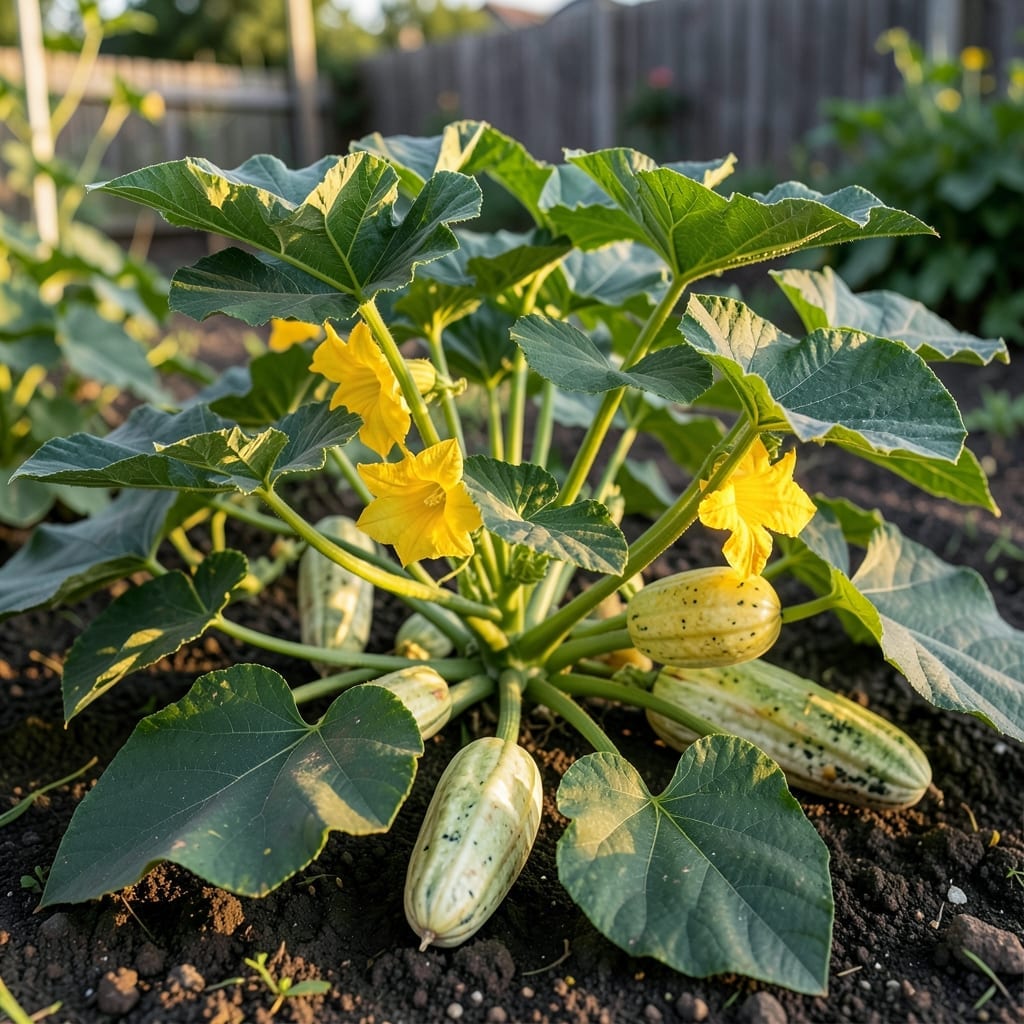
That bitter zucchini taste isn’t just unpleasant—it’s a warning. Toxic squash syndrome hits when cucurbitacins spike in squash, turning a harvest into a hazard. I learned this the hard way after one bite left me queasy for hours.
Cucurbitacins are natural compounds that can concentrate in stressed plants, especially during drought or extreme heat. The bitterness is your first clue, but sometimes it’s subtle. Don’t risk it—if it tastes off, spit it out and rinse your mouth immediately.
Treatment starts with stopping the exposure. Drink water, monitor symptoms, and call poison control if nausea or dizziness sets in. Most cases pass quickly, but severe reactions need medical attention.
Prevention is simple: taste-test a tiny piece before cooking, and water plants consistently. Your garden should nourish, not harm.
Toxic squash syndrome occurs due to the presence of cucurbitacins, naturally occurring compounds in the Cucurbitaceae family (which includes squash, pumpkins, and gourds). These bitter-tasting toxins act as a defense mechanism for the plants, deterring pests. However, in rare cases, they can accumulate in edible varieties, leading to poisoning when consumed. Below are the primary causes:
Some squash varieties may undergo spontaneous genetic mutations, causing them to produce high levels of cucurbitacins. This is more common in homegrown or heirloom squash, where cross-pollination with wild or ornamental gourds (which naturally contain these toxins) can introduce the trait.
If edible squash plants are grown near inedible, bitter gourds, bees and other pollinators can transfer pollen between them. The resulting fruit may inherit the genetic tendency to produce cucurbitacins, making them toxic despite appearing normal.
Drought, poor soil conditions, or extreme temperatures can stress squash plants, triggering an increase in cucurbitacin production. This stress response is the plant’s way of protecting itself, but it makes the fruit unsafe for consumption.
Foragers or gardeners may accidentally harvest wild or ornamental gourds, mistaking them for edible squash. These wild varieties often contain high concentrations of cucurbitacins and are not meant for human consumption.
Always taste a small piece of raw squash before cooking—if it’s bitter, do not eat it. Spitting it out immediately can prevent poisoning.
Toxic squash syndrome can be managed effectively with the right steps. Here’s how to address each cause and prevent future issues:
Stop eating immediately. Do not induce vomiting unless directed by a medical professional. Drink plenty of water to dilute the toxins, and seek emergency care if symptoms like vomiting, diarrhea, or dizziness appear. In severe cases, cucurbitacins can cause dehydration or shock, so act fast.
Spit it out and rinse your mouth. Test a tiny piece of the raw squash—if it’s bitter, do not cook or eat it. Bitter compounds (cucurbitacins) aren’t always neutralized by heat. Discard the entire squash to avoid risk.
Prevent cross-pollination by planting non-bitter squash varieties at least ½ mile from ornamental gourds. Save seeds only from trusted, non-bitter sources. If you’re unsure about a homegrown squash’s safety, perform a taste test on a raw piece before cooking.
🎯 Pro tip: When in doubt, throw it out. No squash is worth the risk of poisoning!
Symptoms typically start within 30 minutes to 2 hours after eating bitter squash. Nausea and stomach cramps are often the first signs, followed by vomiting or diarrhea. Seek help if symptoms worsen.
No, cooking does not eliminate cucurbitacins. These compounds are heat-stable, so even boiling or baking won’t make bitter squash safe to eat. Always discard it.
If the squash is bitter, the seeds may also contain toxins. Avoid eating any part of a squash that tastes off. When in doubt, throw it out.
Plant edible squash far from ornamental gourds to avoid cross-pollination. Use seeds from trusted, non-bitter sources and water plants consistently.