
Beautiful Plants For Your Interior
Beautiful Plants For Your Interior
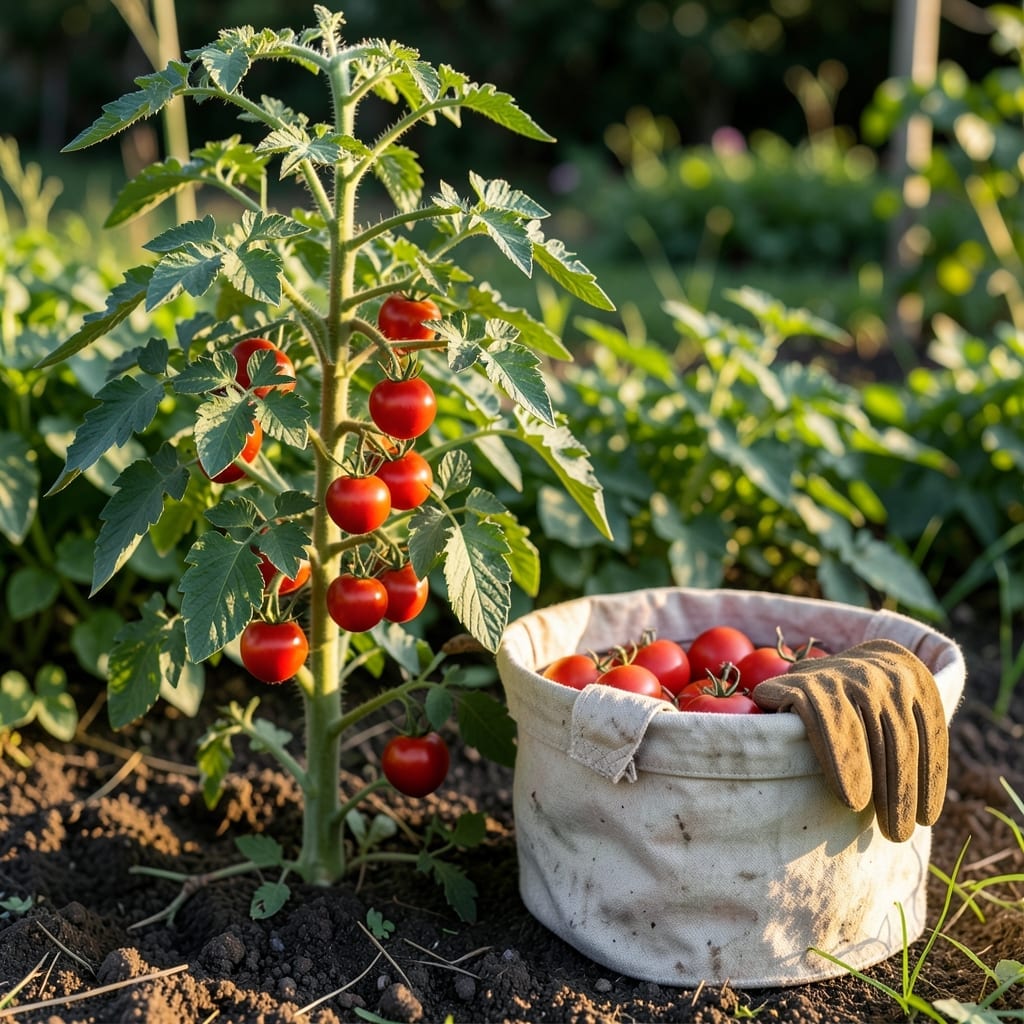
That first crisp morning when you see frost on your garden can be magical—or devastating. For gardeners, knowing when to expect it is the key to protecting your hard work.
General Frost Information ❄️ varies by region, but in zone 6, it typically arrives around mid-October. Missing this date could mean losing tender plants you’ve nurtured all season.
Discover how to predict it for your area and the simple steps to safeguard your garden before the cold hits. Let’s get started.
As a gardener, I know the first frost date is one of the most important pieces of information for planning my growing season. It tells me when to sow seeds and when to harvest crops.
These dates vary significantly across the USDA hardiness zones, typically ranging from early September in cold northern regions to late November or even December in warmer southern areas.
| Zone | Date Range | Early Frost | Late Frost |
|---|---|---|---|
| 1-3 | Aug 15 – Sep 15 | Aug 1 | Sep 30 |
| 4-5 | Sep 15 – Oct 15 | Sep 1 | Oct 31 |
| 6-7 | Oct 15 – Nov 15 | Oct 1 | Nov 30 |
| 8-10 | Nov 15 – Dec 15 | Nov 1 | Dec 31 |
I always check my local weather station data for the most accurate dates, as these can shift slightly year to year. Microclimates in your garden can also create variations from these averages.
In my experience, areas near large bodies of water often have later first frosts because water retains heat. This is why coastal regions typically see frost 2-4 weeks later than inland areas.
Elevation plays a huge role too. For every 1,000 feet increase in elevation, the first frost date can come 3-5 days earlier. Mountain gardeners need to be especially vigilant.
I recommend keeping a garden journal to track your local frost dates. After a few years, you’ll have a personalized record that’s often more accurate than general zone guidelines.
For tender annuals like tomatoes and peppers, I always have my protection strategies ready 2 weeks before the average first frost date. It’s better to be prepared early than caught off guard.
Remember that these dates are averages, not guarantees. I’ve seen early frosts in mid-September in zone 6, while other years the first frost didn’t arrive until late October. Nature doesn’t always follow the calendar!
If you’re new to gardening, start by finding your USDA hardiness zone using the interactive map. This is your first step to frost-aware gardening and successful harvests. ☀️
I always start preparing my garden 2-3 weeks before the expected first frost. This gives me time to implement protection strategies without rushing. The key is acting before temperatures drop below 32°F.
For tender annuals like tomatoes, peppers, and basil, I use frost blankets or old bedsheets to create a protective barrier. These can add 2-4 degrees of warmth to your plants.
I’ve found that straw mulch works better than wood chips for frost protection. It insulates better and doesn’t compact as much. Apply a 3-4 inch layer around your plants for best results.
For container gardens, I move my pots to a garage or porch when frost is forecast. If that’s not possible, I group them together and cover with bubble wrap or frost cloth.
Don’t forget about your irrigation system. I always drain and store my hoses and sprinklers before the first hard frost to prevent freeze damage. It’s a simple step that saves money.
I also pay special attention to young trees and shrubs. Their roots are more vulnerable to frost heaving. A thick layer of organic mulch around the base helps protect them through winter. 🌳