
Beautiful Plants For Your Interior
Beautiful Plants For Your Interior
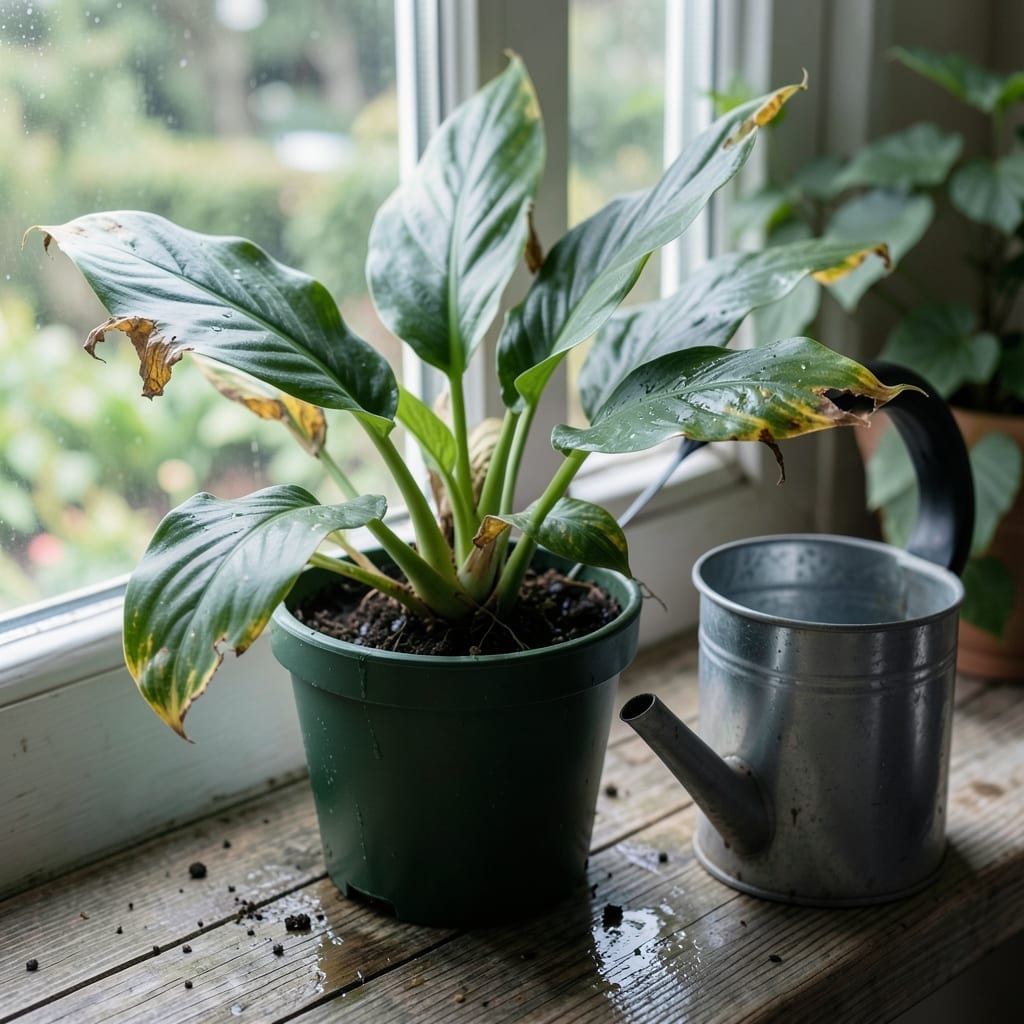
Yellow leaves and sad stems often scream the same thing: too much love. I’ve drowned more flowers than I care to admit by overdoing the watering can.
The signs are subtle at first—a slight droop, pale leaves, soil that stays soggy for days. Then comes the root rot, and suddenly your blooms look like they’ve given up entirely.
Here’s the fix: let the top inch of soil dry out between waterings, and make sure your pots have drainage holes. A foolproof test? Stick your finger in the dirt.
Most flowers bounce back fast once you adjust. The key is catching it before the roots turn to mush.
Overwatering is a common issue that can stress your plants and lead to unsightly symptoms like yellowing leaves and drooping stems. Understanding the root causes can help you adjust your care routine and prevent future damage. Here are the most common reasons why it happens:
When pots lack drainage holes or use compacted soil, water cannot escape. This creates a waterlogged environment where roots suffocate due to oxygen deprivation. Without proper aeration, roots rot, and the plant cannot absorb nutrients, leading to visible distress.
Many plant owners water on a fixed schedule rather than checking soil moisture. Overwatering often stems from assuming plants need water when they don’t. Most flowers thrive when the top 1-2 inches of soil are dry before the next watering. Ignoring this can drown the roots.
Oversized pots hold excess moisture, while non-porous materials (like plastic) retain water longer than terracotta. A pot that’s too large for the plant’s root system slows evaporation, increasing the risk of overwatering. Always match pot size to the plant’s growth stage.
Heavy, clay-rich soils or peat-based mixes stay soggy longer than well-draining blends. If the soil doesn’t allow water to flow through quickly, roots sit in stagnant water. Amending soil with perlite or sand can improve drainage and prevent overwatering.
Reviving overwatered flowers is often simpler than you think—start by acting fast and adjusting your care routine. Here’s how to tackle each common issue and keep your blooms thriving.
If the roots are mushy or black, gently remove the plant from its pot and trim away the damaged roots with clean scissors. Repot in fresh, well-draining soil and a container with drainage holes. Prevention tip 💡: Always use pots with drainage and avoid letting flowers sit in saucers of water.
Stop watering immediately and let the soil dry out completely before the next watering. Place the pot in a sunny, breezy spot to speed up evaporation. Prevention tip 🌡️: Stick your finger an inch into the soil—if it feels damp, wait another day or two.
Trim yellow or wilted leaves to redirect energy to healthy growth. Reduce watering frequency and ensure the pot isn’t oversized, as excess soil retains too much moisture. Prevention tip ✨: Match watering to the plant’s needs—succulents need less, while tropical flowers may need more.
If you spot mold on the soil or leaves, move the plant to a better-ventilated area and remove any affected foliage. Sprinkle cinnamon (a natural antifungal) on the soil surface. Prevention tip 🎯: Avoid overhead watering to keep leaves dry.
With these fixes and a little patience, your flowers can bounce back stronger than ever!
Yellow leaves often signal root suffocation from too much water. When roots can’t breathe, they can’t absorb nutrients, causing leaves to lose their green color. This is your plant’s way of saying “I’m drowning!”
Yes, but act fast! Trim the mushy parts and repot in fresh, dry soil. Stop watering until the top 2 inches of soil feel dry. Most plants recover within 1-2 weeks with proper care.
Check the soil first—water only when the top 1-2 inches feel dry. Most flowers need water every 5-7 days, but this varies by plant type and environment. When in doubt, wait another day.
Use pots with drainage holes and well-draining soil. Terracotta pots are ideal—they breathe better than plastic. Always empty saucers after watering to avoid soggy roots.