
Beautiful Plants For Your Interior
Beautiful Plants For Your Interior
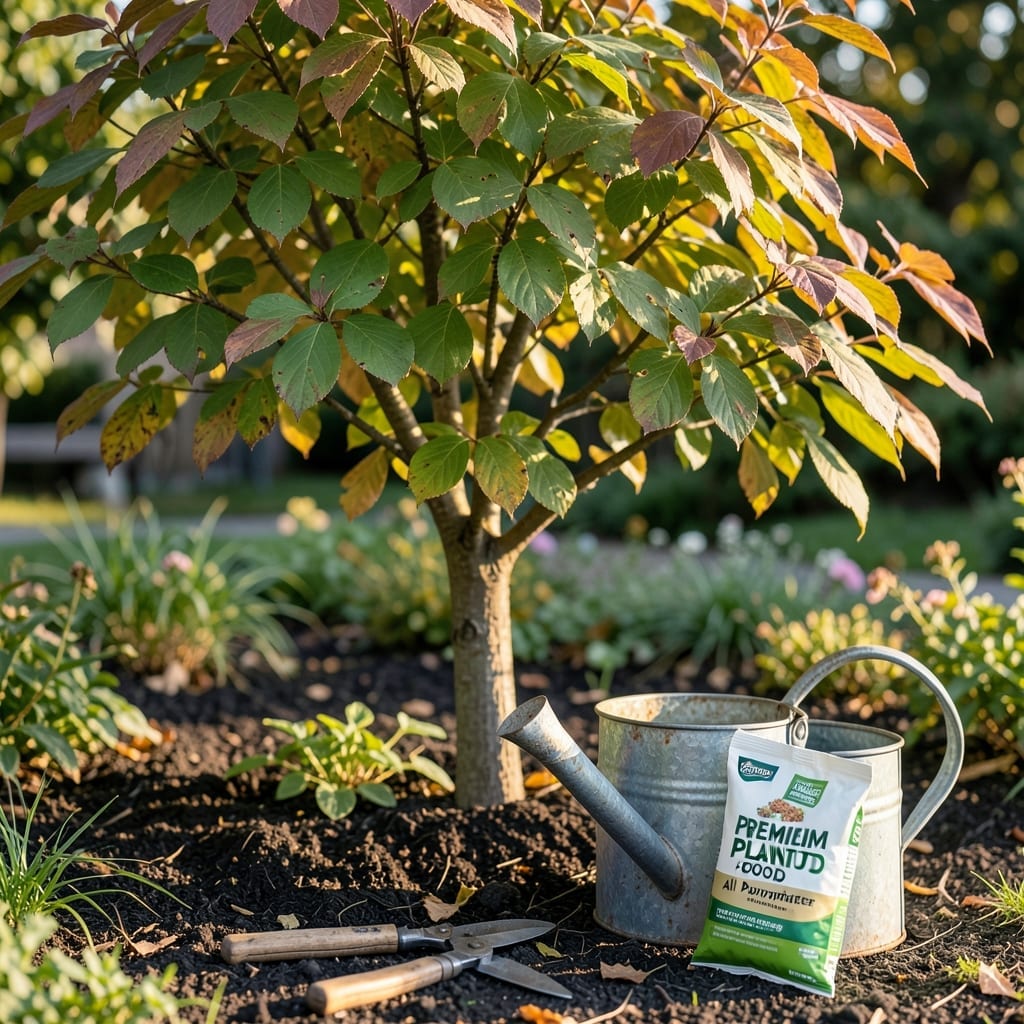
My heart sank when I noticed the wilting leaves on my dogwood. 🌳 A dying dogwood doesn’t have to be the end—it’s often a sign of fixable issues like poor drainage, pests, or fungal infections.
I’ve revived several by addressing the root cause (literally). The key is quick action: check soil moisture, inspect for borers, and look for leaf spots. Most problems respond to simple adjustments in care.
With the right steps, you can restore its health within 4-6 weeks. New growth will appear, and those iconic spring blooms can return stronger than ever.
Works for young and mature trees alike. Don’t give up—your dogwood can bounce back.
Dogwood trees are beloved for their stunning blooms, but several factors can lead to their decline. Understanding these causes is the first step toward revival. Below are the most common reasons your dogwood may be struggling.
Dogwoods are highly susceptible to anthracnose and powdery mildew, two fungal diseases that thrive in wet, humid conditions. Anthracnose causes leaf spots, twig blight, and cankers, while powdery mildew creates a white, powdery coating on leaves. Poor air circulation and overhead watering exacerbate these issues.
Dogwoods prefer well-draining, acidic soil (pH 5.5–6.5). Compacted or waterlogged soil suffocates roots, leading to root rot and nutrient deficiencies. Additionally, shallow root systems make them sensitive to drought, extreme heat, or physical damage (e.g., lawnmower injuries).
Common pests like dogwood borers, scale insects, and spotted lanternflies weaken trees by feeding on bark, sap, or leaves. Borers tunnel into the trunk, disrupting nutrient flow, while scale insects secrete honeydew, promoting sooty mold growth.
Extreme weather—frost damage in late spring or heat stress in summer—can shock dogwoods. Improper planting (e.g., too deep or in full sun) also stresses the tree, as dogwoods thrive in partial shade with consistent moisture.
A lack of iron, magnesium, or nitrogen often manifests as yellowing leaves (chlorosis) or stunted growth. Over-fertilization, especially with high-nitrogen products, can also harm the tree by promoting weak, disease-prone growth.
Once you’ve identified the issue, these targeted fixes can nurse your dogwood back to health—fast. Act quickly to give your tree the best chance at recovery.
If the soil is compacted or waterlogged, loosen it gently around the root zone with a garden fork. Mix in organic compost or well-rotted manure to improve drainage and fertility. For clay-heavy soil, add coarse sand or pine bark fines. Prevention tip: 💡 Plant dogwoods in well-draining, slightly acidic soil (pH 6.0–6.5) from the start, and avoid heavy foot traffic near the roots.
Dogwoods need consistent moisture—neither drought nor soggy roots. Water deeply 1–2 times per week (more in extreme heat), letting the top inch of soil dry between waterings. Use a soaker hose to deliver water slowly at the base. Prevention tip: 🌡️ Mulch with 2–3 inches of wood chips to retain moisture and regulate soil temperature, but keep mulch away from the trunk to prevent rot.
For dogwood borers or scale insects, prune out infested branches and dispose of them far from the tree. Apply horticultural oil or insecticidal soap in early spring or late fall. For anthracnose fungus, remove affected leaves and treat with a copper-based fungicide. Prevention tip: ✨ Improve air circulation by thinning crowded branches, and avoid overhead watering to reduce fungal spores.
Yellowing leaves often signal a lack of iron or nitrogen. Use a slow-release, balanced fertilizer (10-10-10) in early spring, or opt for a chelated iron supplement if soil pH is too high. Prevention tip: 🎯 Test soil every 2–3 years and adjust amendments accordingly—dogwoods thrive with light, regular feeding over heavy doses.
If leaves are scorched from too much sun, provide dappled shade with a shade cloth or plant companion shrubs. For winter damage, wrap young trees in burlap and mulch heavily. Prevention tip: 🔥 Site dogwoods in partial shade, especially in hotter climates, and water deeply before winter to prevent root desiccation.
Water deeply 1-2 times per week, ensuring the top 1 inch of soil dries between waterings. Use a soaker hose for slow, deep hydration.
Yes! Remove affected leaves and apply a copper-based fungicide. Improve air circulation by thinning branches to prevent future outbreaks.
Use a slow-release 10-10-10 fertilizer in early spring. For yellow leaves, add a chelated iron supplement if soil pH is too high.
Prune infested branches immediately and dispose far away. Apply horticultural oil in early spring or late fall to deter new pests.