
Beautiful Plants For Your Interior
Beautiful Plants For Your Interior
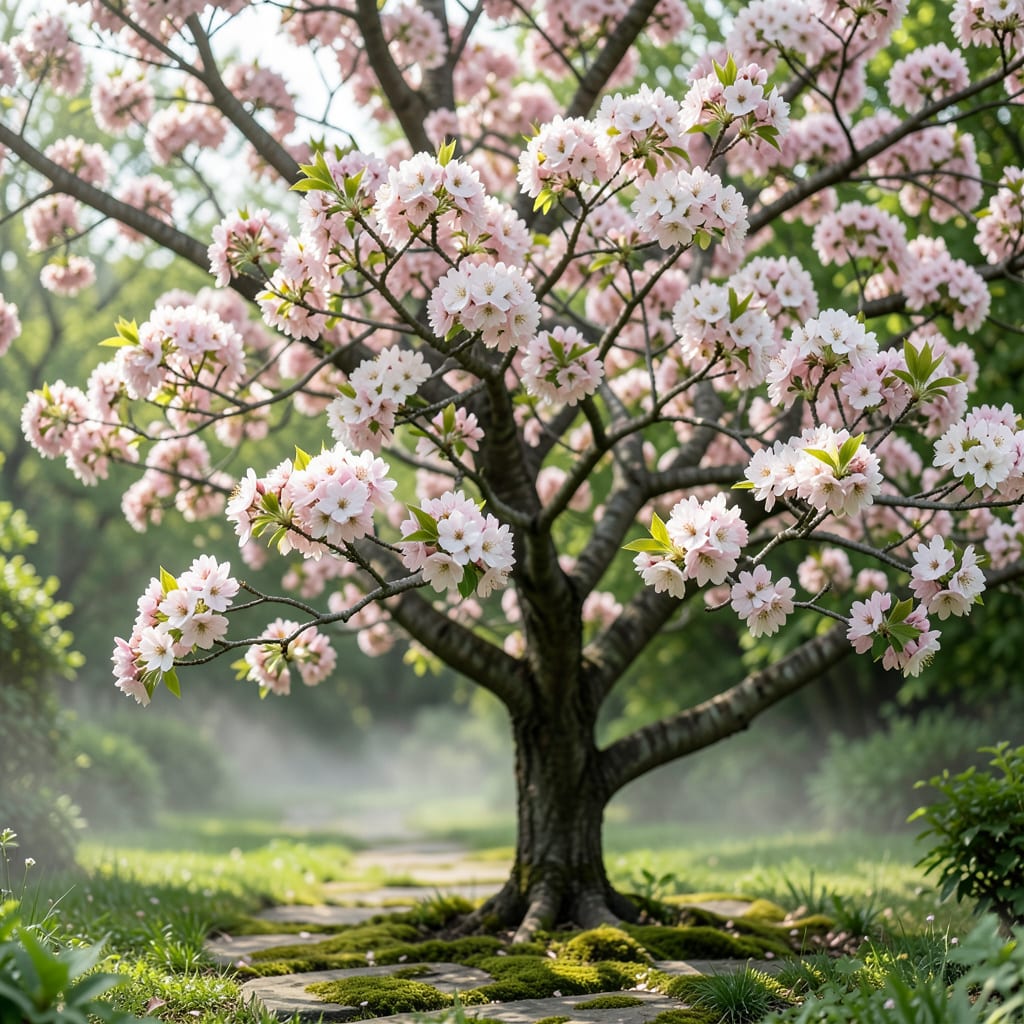
There’s nothing like spring mornings with dogwoods in full bloom. I planted my first one five years ago and still stop to admire it every April when the pink and white flowers appear.
These trees thrive in partial shade with well-drained soil, rewarding you with stunning blooms that brighten any landscape. The ornamental value is unbeatable, and they’re surprisingly low-maintenance once established.
📚 In This Guide
Here’s the method I rely on to establish healthy dogwoods that burst with color every spring.
Choose a spot with partial shade—morning sun and afternoon shade is ideal. Dogwoods thrive in well-draining, slightly acidic soil (pH 5.5–6.5). Avoid low-lying areas where water pools, as soggy roots will kill the tree. I test drainage by digging a 12-inch hole and filling it with water—if it drains within 30 minutes, you’re good.
Space multiple trees 15–20 feet apart to allow for mature spread. Consider nearby structures; dogwoods have shallow roots that can damage sidewalks if planted too close. A location sheltered from strong winds prevents branch breakage during storms.
Dig a hole twice as wide as the root ball but no deeper. Loosen the soil at the sides to encourage root growth outward. If your soil is heavy clay, amend it with 50% compost or peat moss to improve drainage and aeration.
Remove the tree from its container and gently tease apart any circling roots. This prevents girdling as the tree matures. Place the root ball in the hole so the top sits 1–2 inches above ground level—dogwoods settle over time, and this keeps the trunk from becoming buried.
Backfill the hole with native soil, tampering lightly as you go to eliminate air pockets. Create a 3-inch-high watering ring around the base (about 2 feet in diameter) to help direct water to the roots. Mulch with 2–3 inches of organic mulch, keeping it 6 inches away from the trunk to prevent rot.
Water deeply immediately after planting—give it 10–15 gallons for the first watering. For the first 2–3 weeks, water every 2–3 days unless rain provides 1 inch of water. After that, water weekly during dry spells. You’ll know it’s thirsty when the top 2 inches of soil feel dry.
Fertilize lightly in early spring with a balanced, slow-release fertilizer (10-10-10 or 12-4-8). Apply it 6 inches away from the trunk, extending to the drip line. Over-fertilizing leads to leafy growth at the expense of flowers, so stick to 1 pound per inch of trunk diameter.
Prune only when necessary—remove dead, diseased, or crossing branches in late winter. Dogwoods bloom on old wood, so pruning at the wrong time (like summer) will sacrifice next year’s flowers. Watch for pink and white bracts forming in early spring—this is your reward for proper care.
Here are the key insights that will help your dogwoods thrive from day one.
Soil Preparation Insight: In Step 2, when amending heavy clay soil with 50% compost or peat moss, mix it thoroughly with the native soil. I learned the hard way that simply dumping amendments at the bottom creates a “bathtub effect” where water collects instead of draining. The 30 minutes drainage test from Step 1 is your best indicator of proper soil condition.
Planting Depth Warning: The instruction to place the root ball 1–2 inches above ground level is non-negotiable. Dogwoods settle significantly over time, and planting at ground level or below nearly always leads to trunk rot. I’ve seen established trees suffer from this mistake years after planting.
Watering Ring Technique: That 3-inch-high watering ring you create in Step 3 isn’t just decorative – it’s crucial for directing water to the root zone. Make it exactly 2 feet in diameter as specified, and you’ll see the difference in how quickly your tree establishes itself. The 6 inches of clearance from the trunk with mulch prevents the rot issues many gardeners struggle with.
Initial Watering Protocol: The 10–15 gallons for the first watering might seem excessive, but it’s what the root ball needs to eliminate air pockets. During the first 2–3 weeks of watering every 2–3 days, check that top 2 inches of soil – if it’s dry, don’t wait for the full interval. This precise schedule prevents both underwatering and root rot from overwatering.
These trees typically bloom in early to mid-spring, usually between March and April, depending on the climate. Cooler regions may see blooms later, while warmer areas enjoy earlier flowers.
Plant in well-drained, acidic soil with partial shade. Water regularly, especially during dry spells, and mulch to retain moisture. Prune after flowering to maintain shape.
Yes! Consider magnolias, cherry blossoms, or redbud trees for comparable spring color. Each offers unique shades and growth habits to suit different landscapes.
Lack of blooms can result from insufficient sunlight, improper pruning, or nutrient deficiencies. Ensure it gets 4-6 hours of sunlight daily and avoid heavy pruning before bloom time.
