
Beautiful Plants For Your Interior
Beautiful Plants For Your Interior
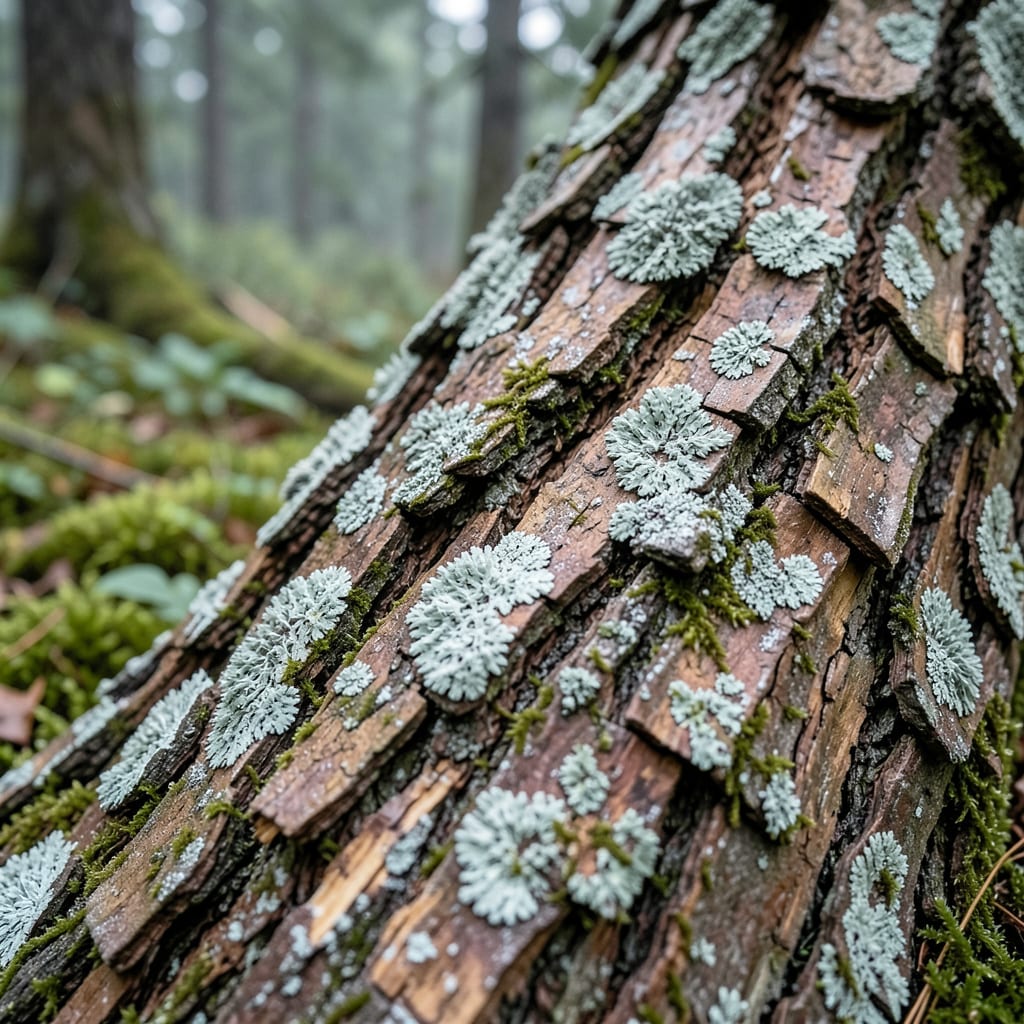
That white powder on your tree bark isn’t dust—it’s trouble. I’ve seen powdery mildew turn healthy trees into struggling ones when left unchecked, but catching it early makes all the difference.
This fungal issue thrives in humid, shady spots where air doesn’t move well. It starts as a few white patches and spreads fast, weakening the tree over time. The good news? It’s treatable with the right approach.
You’ll need a mix of pruning, improved airflow, and targeted sprays to stop it. Organic options work just as well as chemical ones if you act quickly and stay consistent.
With the right steps, your tree can shake off this infection and come back stronger. Let’s tackle it before it spreads further.
Powdery mildew thrives on tree bark when specific environmental and biological conditions align. Below are the primary causes behind this fungal issue.
This fungus Oidium spp. and related pathogens flourish in humid environments (60–80% relative humidity). Unlike other fungi, powdery mildew does not require free water to germinate—high ambient moisture is enough. Trees in densely planted areas or shaded spots with poor air circulation are especially vulnerable.
Powdery mildew spores germinate best in 60–80°F (15–27°C) ranges. While extreme heat can inhibit growth, mild seasonal temperatures (common in spring and fall) create ideal conditions for spore production and spread on bark surfaces.
Certain trees are genetically predisposed to powdery mildew infections. Oak, maple, dogwood, and sycamore are frequent targets due to their bark texture and chemical composition, which provide an easy foothold for fungal hyphae. Young or stressed trees are at higher risk.
Stagnant air traps moisture and spores against the bark. Trees in urban landscapes with limited spacing or those surrounded by dense foliage experience reduced airflow, accelerating fungal colonization. Pruning for better ventilation can disrupt this cycle.
While powdery mildew doesn’t need water to grow, late-day watering or overhead sprinklers can prolong leaf and bark wetness, indirectly promoting spore germination. Drip irrigation at the root zone is a safer alternative.
Powdery mildew on tree bark can be frustrating, but these practical solutions will help you tackle the issue head-on. Address the root causes and apply targeted fixes to restore your tree’s health.
Prune crowded branches to increase airflow around the tree. This reduces humidity, which mildew thrives in. Remove any nearby weeds or debris that may trap moisture. Prevention tip: 💡 Space trees appropriately during planting to avoid future overcrowding.
Water trees at the base (not overhead) to keep bark dry. Use drip irrigation or a soaker hose for precise watering. If the tree is in a damp area, consider improving drainage with mulch or gravel. Prevention tip: 🌡️ Water early in the day so surfaces dry quickly in the sun.
For mild cases, spray affected areas with a baking soda solution (1 tbsp baking soda + 1 tsp dish soap + 1 gallon of water). For stubborn infections, use neem oil or a fungicide labeled for powdery mildew. Always follow product instructions carefully. Prevention tip: ✨ Apply preventive sprays in early spring before symptoms appear.
Boost your tree’s defenses by fertilizing (use a balanced formula) and ensuring it gets enough sunlight. Remove heavily infected branches to prevent spread. Prevention tip: 🎯 Regularly inspect trees for early signs of stress or disease.
Consistency is key—combine these fixes with good cultural practices to keep powdery mildew at bay!
Yes, powdery mildew spores travel easily through wind and water. Keep infected trees isolated and treat promptly to prevent spreading to neighboring plants.
Rarely fatal, but severe infections weaken trees over time. Early treatment prevents long-term damage like stunted growth or branch dieback.
A diluted apple cider vinegar solution (2-3 tbsp per gallon of water) can help. Test on a small area first, as vinegar may harm some bark types.
For natural sprays like neem oil, reapply every 7-10 days or after rain. Chemical fungicides may last 2-4 weeks—check the label.
