
Beautiful Plants For Your Interior
Beautiful Plants For Your Interior
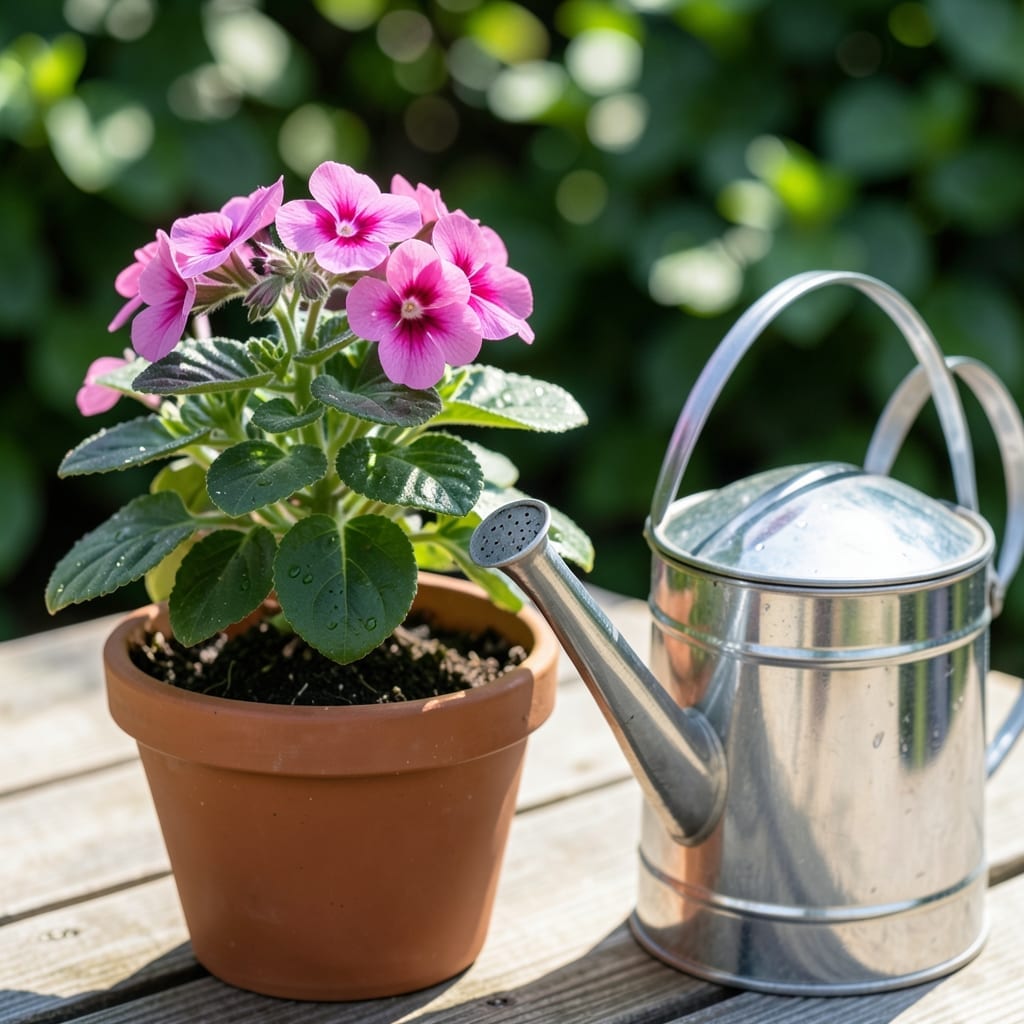
That moment when your impatiens go from vibrant to wilted overnight hits hard. I’ve stood there staring at drooping leaves, wondering what went wrong in just 24 hours.
Between you and me, it’s usually one of three culprits: too much water, not enough light, or a sneaky pest problem. The good news? These plants are tougher than they look.
I’ve brought back impatiens that looked completely gone. With the right approach, you’ll see new growth in 5-7 days. The key is acting fast before the roots give up.
This works for potted plants, garden beds, or hanging baskets. Here’s how to diagnose and fix it.
Impatiens are beloved for their vibrant blooms, but they can quickly lose their vigor when stressed. Understanding the root causes helps you address the issue effectively. Below are the most common reasons your impatiens might be dying.
Impatiens thrive in moderate temperatures (60–75°F). Heatwaves above 85°F can scorch leaves, while cold snaps below 50°F stunt growth. These plants are especially sensitive to sudden temperature swings, which disrupt their cellular processes and water uptake.
Too much water suffocates roots, leading to root rot and yellowing leaves. Conversely, underwatering causes wilting and crispy foliage. Impatiens prefer consistently moist (not soggy) soil. Poor drainage or irregular watering stresses the plant, impairing nutrient absorption.
While impatiens love bright, indirect light, direct sunlight burns their delicate leaves. In deep shade, they grow leggy and fail to flower. Photosynthesis imbalance—either from too much or too little light—weakens the plant over time.
High humidity and poor air circulation invite downy mildew or powdery mildew. These fungi block stomata (leaf pores), reducing the plant’s ability to breathe and photosynthesize. Infected impatiens develop white powdery spots or yellowing leaves, eventually dying if untreated.
Impatiens need well-draining, slightly acidic soil (pH 6.0–6.5). Compacted or nutrient-poor soil restricts root growth, while overly alkaline conditions lock out essential nutrients like iron and magnesium, leading to chlorosis (yellowing leaves with green veins).
Impatiens can bounce back with the right care. Here’s how to tackle the most common issues and nurse your plants back to health.
Fix: Check the soil moisture before watering. Stick your finger an inch into the soil—if it’s dry, it’s time to water. If it’s soggy, let it dry out. Water deeply but less frequently, aiming for moist (not soaked) soil. For underwatered plants, give them a thorough drink and mulch to retain moisture.
Prevention: Use well-draining soil and pots with drainage holes. Water in the morning to reduce evaporation and fungal risks. 💡 Pro tip: A moisture meter takes the guesswork out of watering.
Fix: Impatiens thrive in partial shade. If leaves are scorched or bleached, move them to a shadier spot. For leggy, weak growth, gradually introduce more indirect sunlight. In extreme cases, prune back damaged foliage to encourage new growth.
Prevention: Place impatiens where they get 2–4 hours of morning sun or dappled shade. Rotate pots occasionally for even light exposure.
Fix: Inspect leaves and stems for aphids, spider mites, or whiteflies. Blast pests off with water or apply insecticidal soap or neem oil. For severe infestations, remove heavily affected leaves or isolate the plant.
Prevention: Keep the area clean, avoid over-fertilizing, and introduce beneficial insects like ladybugs. ✨ Pro tip: A weekly spray of diluted neem oil can deter pests naturally.
Fix: Revitalize the soil by mixing in compost or a balanced, water-soluble fertilizer (10-10-10). Yellowing leaves often signal a nitrogen deficiency—feed with a nitrogen-rich fertilizer. If the soil is compacted, loosen it gently to improve aeration.
Prevention: Fertilize lightly every 2–4 weeks during the growing season. Use organic matter to improve soil structure before planting.
Check soil moisture daily by sticking your finger 1 inch deep. Water when the top feels dry, but never let them sit in soggy soil. In hot weather, this may mean watering every 1-2 days.
Yes, if you act quickly! Move them to shade immediately and trim crispy leaves. Keep soil consistently moist. Most bounce back within 3-5 days once temperatures drop below 85°F.
Often yes. Yellowing usually means overwatering or nutrient deficiency. Let soil dry slightly between waterings and add balanced fertilizer. If roots are mushy, repot in fresh, well-draining soil.