
Beautiful Plants For Your Interior
Beautiful Plants For Your Interior
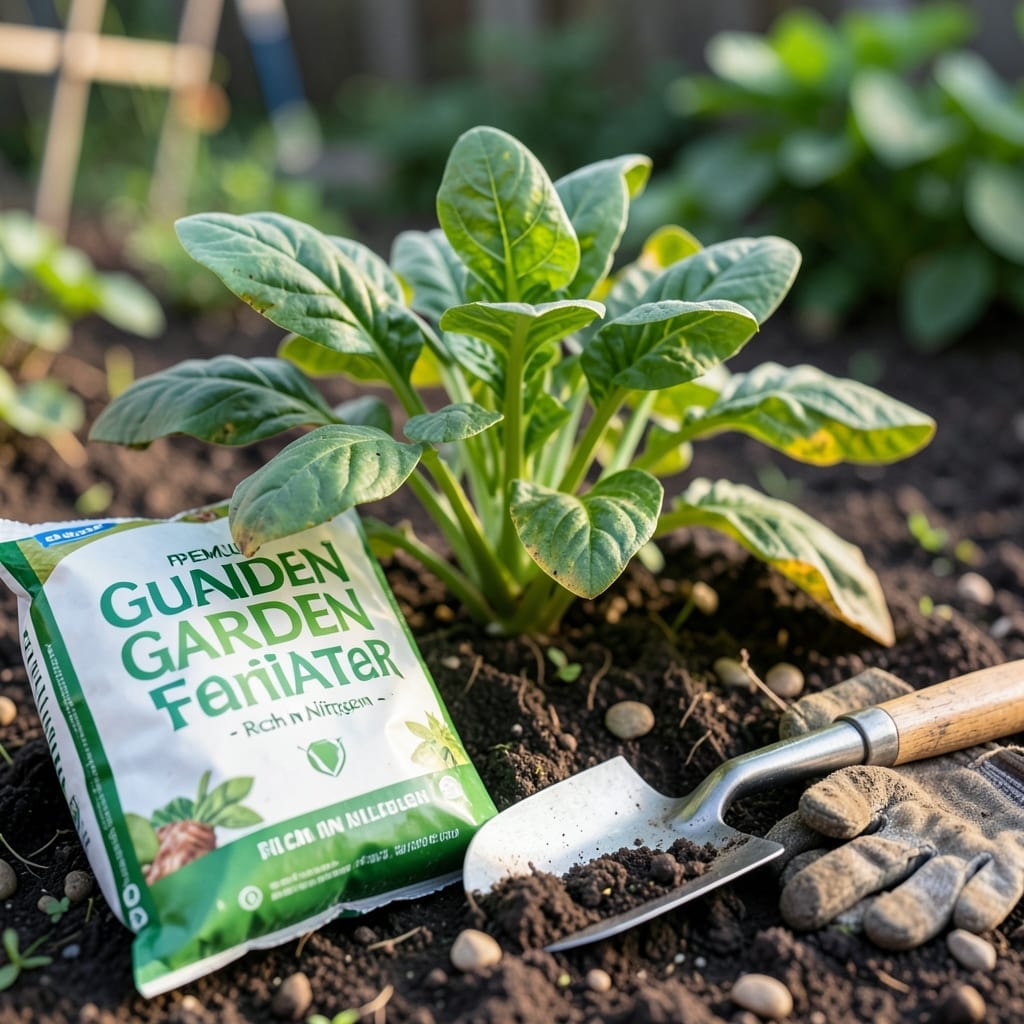
Yellow leaves staring back at you from your once-lush plants? I’ve been there, watching my favorite pothos fade to pale and wondering where I went wrong. The good news is this is often fixable with the right approach.
Most color loss comes from simple issues like nutrient deficiencies or inconsistent watering. A targeted solution—like adjusting your fertilizer or checking soil moisture—can bring back that vibrant green faster than you think.
After fixing the root cause, you’ll notice new growth emerging in rich, healthy shades. The transformation happens within 2-3 weeks with consistent care, and the plants bounce back stronger.
Works for houseplants, garden beds, or container arrangements. Here’s how to diagnose and revive them.
Plants turn yellow, pale, or dull when their chlorophyll production drops. Chlorophyll, the pigment responsible for that lush green color, relies on light, nutrients, and healthy conditions. When any of these are missing, your plant’s leaves start to fade. Below are the most common causes—and why they disrupt your plant’s vibrancy.
Plants need nitrogen for lush green growth. Without it, older leaves turn yellow (a condition called chlorosis) as the plant redirects nitrogen to new growth. Other key nutrients like iron, magnesium, and zinc also play critical roles. Iron deficiency, for example, often causes yellowing between leaf veins, while magnesium shortage leads to yellow patches on older leaves.
Chlorophyll thrives on light. In low-light conditions, plants can’t produce enough chlorophyll, leading to pale or yellowing leaves. This is especially common in indoor plants placed far from windows. Even outdoor plants in shaded areas may struggle if they’re species that require full sun.
Too much water suffocates roots, preventing them from absorbing nutrients. Meanwhile, too little water stresses the plant, halting chlorophyll production. Both extremes disrupt the balance needed for healthy, green foliage. Root rot from overwatering is a silent killer—often, the first sign is yellowing leaves.
Extreme heat or cold can shock plants, slowing down or stopping chlorophyll production. Cold drafts or sudden temperature drops may cause leaves to yellow or drop. Heat stress, on the other hand, can scorch leaves, turning them brown or pale as the plant struggles to retain moisture.
Pests like spider mites, aphids, and whiteflies sap nutrients from leaves, weakening the plant. As they feed, they damage leaf tissue, leading to discoloration. Some pests also introduce toxins or diseases that further disrupt chlorophyll production.
Reviving your plant’s lush green color starts with targeting the root cause. Below are practical fixes for common issues, along with prevention tips to keep your foliage vibrant long-term.
If leaves are pale or yellow with green veins (a sign of iron or nitrogen deficiency), use a balanced liquid fertilizer (10-10-10) or a micronutrient-rich supplement. For quick results, try chelated iron for iron-deficient plants. Prevention tip: 💡 Fertilize every 4–6 weeks during growing season, but avoid overdoing it—too much can burn roots.
Yellow leaves often mean root stress. Check soil moisture: if it’s soggy, let it dry out before watering again. If it’s bone-dry, give it a thorough soak until water drains from the bottom. Prevention tip: 🌡️ Stick your finger 1–2 inches into the soil—water only when the top layer feels dry. Use pots with drainage holes!
Leggy growth and yellow lower leaves scream light hunger. Move your plant to a bright, indirect light source (e.g., near an east-facing window). For low-light spaces, consider a grow light. Prevention tip: ✨ Rotate plants weekly so all sides get equal light exposure.
Inspect leaves for webbing, spots, or sticky residue (signs of pests like spider mites or aphids). Wipe leaves with neem oil or insecticidal soap, and isolate the plant to prevent spread. For fungal issues, improve airflow and avoid wetting leaves. Prevention tip: 🎯 Quarantine new plants for 2 weeks before introducing them to others.
With these fixes, your plants should rebound in 2–4 weeks. Stay consistent, and your green thumb will shine! 🌿
Use a balanced liquid fertilizer every 4-6 weeks during growing season. For iron-deficient plants, chelated iron gives faster results. Avoid over-fertilizing as it can burn roots
Once leaves turn yellow, they typically won’t regreen. Focus on improving conditions so new growth emerges in vibrant green. Remove yellow leaves to redirect energy
Move them to bright, indirect light and check soil moisture. If roots are waterlogged, let soil dry out. Most plants show improvement within 2-3 weeks
Nutrient deficiencies often appear in older leaves first as the plant redirects resources to new growth. This is common with nitrogen or magnesium shortages