
Beautiful Plants For Your Interior
Beautiful Plants For Your Interior
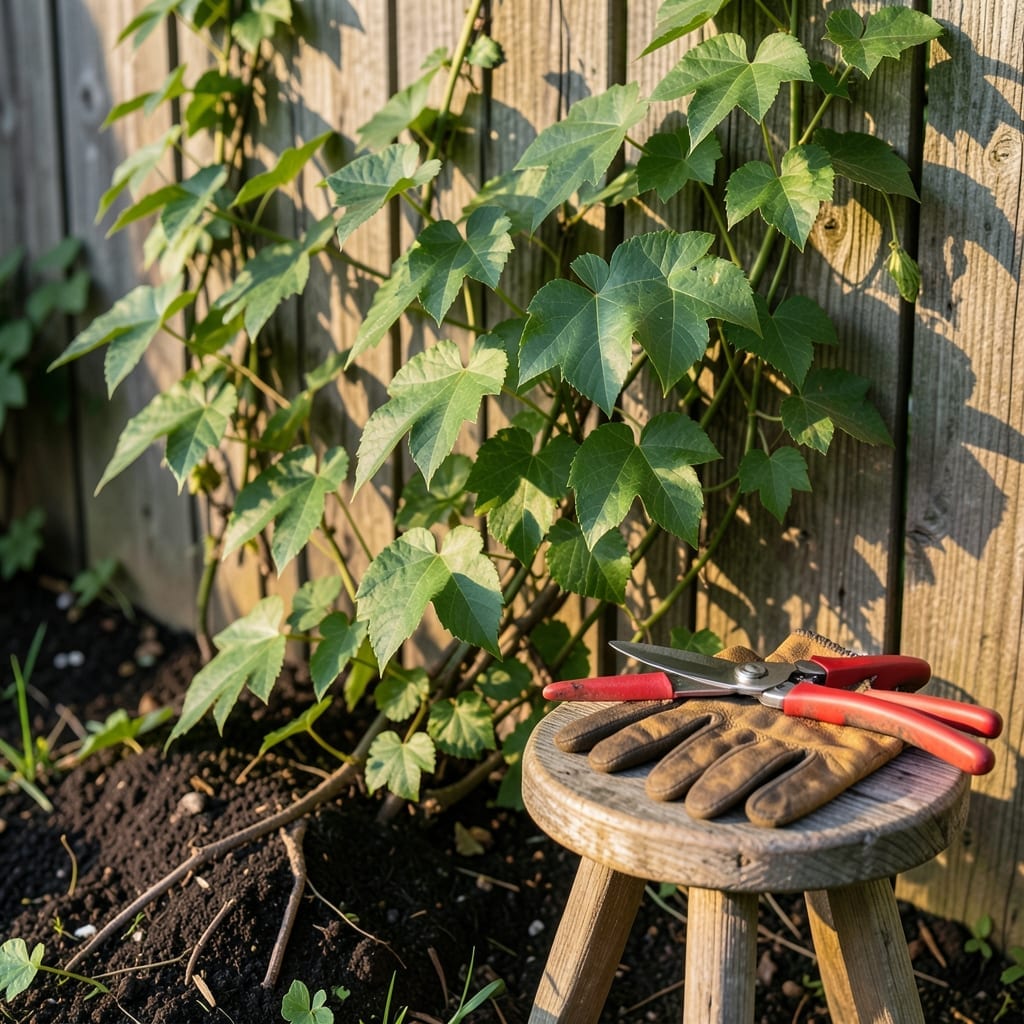
Virginia creeper took over my fence in one summer. I learned the hard way that pulling vines without addressing roots just makes the problem worse.
The key is persistence—this plant doesn’t give up easily. You’ll need to remove every piece of root and vine, then monitor for regrowth. It’s tedious but doable with the right approach.
I’ve tested manual removal, smothering, and targeted treatments. Each method has its place, but none work overnight. The first year is the hardest; after that, maintenance gets easier.
Your garden can reclaim its space. The secret is staying ahead of new shoots before they establish.
Virginia creeper (Parthenocissus quinquefolia) thrives and spreads aggressively due to a few key biological and environmental factors. Understanding these causes helps you target the root of the problem—literally and figuratively.
This woody vine grows up to 30–50 feet in a single season thanks to its vigorous root system and aerial rootlets. These rootlets cling to surfaces like trees, fences, or walls, allowing the plant to climb and expand rapidly. The plant’s ability to self-propagate via stolons (horizontal stems) and rhizomes (underground stems) means it can sprout new shoots far from the original plant, making it hard to contain.
Virginia creeper flourishes in partial to full sunlight and adapts to a wide range of soil types, from dry to moist. It’s drought-tolerant once established, which means it can survive—and spread—even in less-than-ideal conditions. Disturbed areas, like garden edges or construction sites, provide open space for it to take over.
Birds and small mammals eat the plant’s dark blue berries and excrete the seeds elsewhere, unintentionally planting new vines. Wind can also carry seeds or break off stem fragments, which can root and grow into new plants if they land in suitable soil. This natural dispersal makes it easy for Virginia creeper to pop up in unexpected places.
Getting rid of Virginia creeper requires a mix of removal techniques and preventive measures to keep it from coming back. Here’s how to tackle each common issue:
Pull vines by hand, ensuring you remove all roots to prevent regrowth. For stubborn patches, use a garden fork to loosen the soil and extract deep roots. Apply a vinegar-based herbicide (1 gallon of vinegar + 1 cup of salt + 1 tbsp dish soap) to any remaining stems. Prevention tip: Mulch heavily with wood chips or straw to smother new growth.
Cut the vines at the base and pull them down from walls, fences, or trees. If the creeper is well-established, use a pruning saw for thicker stems. To prevent reattachment, install physical barriers like metal mesh or plastic sheeting at the base of structures. Prevention tip: Regularly inspect and trim any new shoots before they take hold.
Mow the area frequently to weaken the vines, then use a selective herbicide labeled for broadleaf plants. For organic control, boiling water can be poured directly on the roots. Prevention tip: Maintain a thick, healthy lawn to outcompete Virginia creeper.
Monitor the area for new sprouts and pull them immediately. Apply a pre-emergent herbicide in early spring to stop seeds from germinating. Prevention tip: Solarization (covering the soil with clear plastic for 4-6 weeks) can kill remaining roots and seeds.
💡 Pro tip: Always wear gloves and long sleeves when handling Virginia creeper, as its sap can cause skin irritation in sensitive individuals.
It can damage young or weak trees by smothering branches and blocking sunlight. Mature trees usually tolerate it, but the weight of heavy vines may break limbs during storms.
Remove all roots and monitor for new shoots weekly. Use pre-emergent herbicide in spring or cover soil with thick mulch to block regrowth. Persistence is key!
No—Virginia creeper can re-root from stem fragments. Bag and dispose of all plant material in the trash to prevent resprouting in your compost pile.
Yes! A vinegar-salt solution or boiling water works for small patches. For larger areas, smother with cardboard and mulch for 6-12 months.