
Beautiful Plants For Your Interior
Beautiful Plants For Your Interior
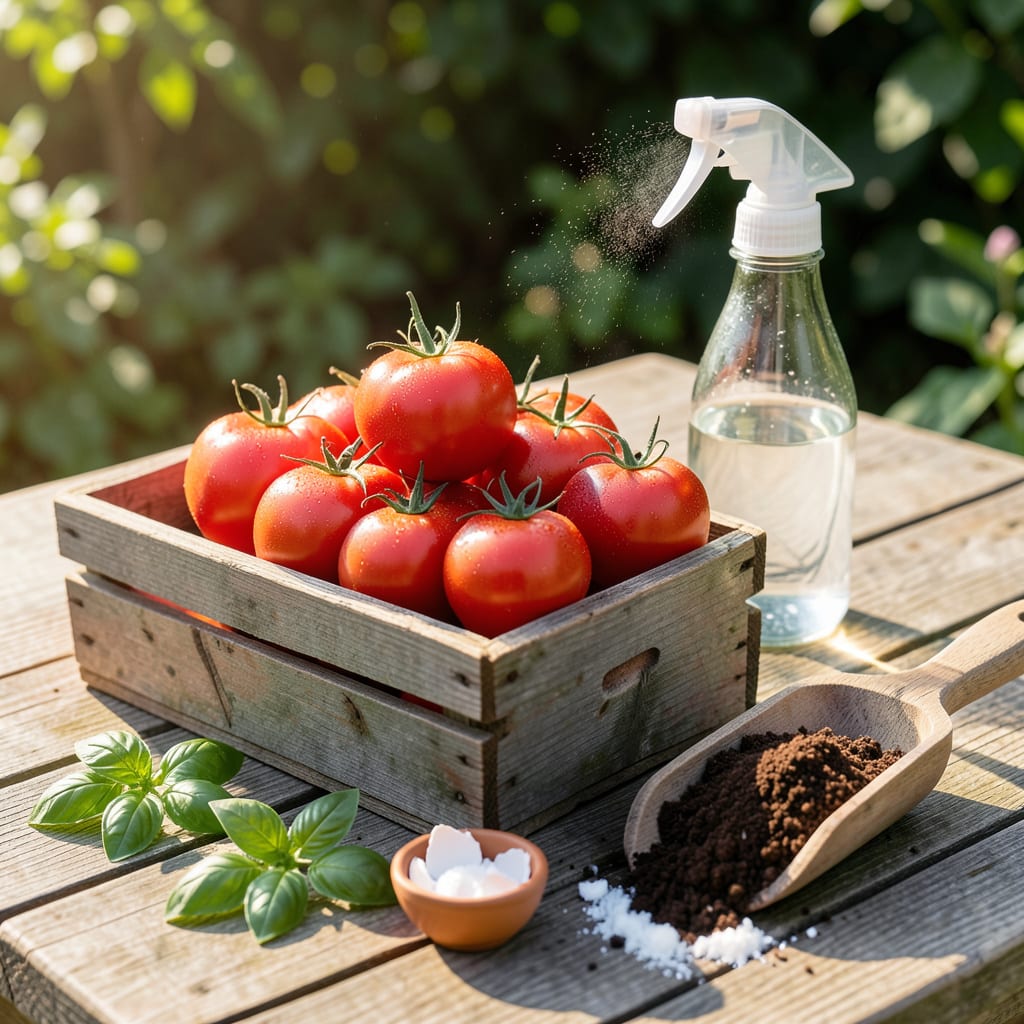
That sunken, dark spot on your tomatoes isn’t just ugly—it’s a warning. I lost half my crop to bottom end rot last summer before figuring out the fix.
The culprit is usually inconsistent watering or a calcium shortage in the soil. Most gardeners overcomplicate this, but the solution starts with steady moisture and the right amendments.
Within 2 weeks of adjusting my routine, new fruits formed without a single rot spot. The plants bounced back stronger, and the harvest was my best yet.
Works for container and in-ground tomatoes alike. Here’s how to save your season.
Blossom end rot (BER) on tomatoes isn’t caused by a pathogen—it’s a physiological disorder triggered by environmental and cultural stressors. Here’s why it happens:
The most direct cause is a localized calcium shortage in the blossom-end tissues of young tomatoes. Calcium is a key structural component of cell walls, and when fruit cells can’t access enough during rapid growth, their walls weaken and collapse. This isn’t always due to low soil calcium—it’s often because uneven water supply disrupts calcium uptake and transport to the fruit.
Fluctuations in soil moisture—drought followed by heavy watering—are a top trigger. Tomatoes absorb calcium through water, so dry spells halt uptake, while sudden saturation can’t compensate fast enough. Even well-watered plants in sandy or fast-draining soils may suffer if moisture isn’t consistent.
High heat (above 85°F/29°C) or cold snaps (below 50°F/10°C) slow root activity, reducing calcium absorption. Heat also speeds up fruit growth, outpacing the plant’s ability to supply calcium to the blossom end. Mulching and row covers can mitigate these swings.
Over-fertilization with high-nitrogen or high-potassium feeds can cause lush foliage at the expense of fruit health. Excess nitrogen promotes leafy growth, diverting calcium away from developing tomatoes. Balance your fertilizer with calcium-rich amendments like gypsum or crushed eggshells.
Calcium is most available to plants when soil pH is between 6.0 and 6.8. If your soil is too acidic (pH < 6.0) or alkaline (pH > 7.5), calcium becomes chemically locked out, even if it’s present. A simple soil test can confirm if pH adjustment (e.g., lime for acidic soil) is needed.
Tackling blossom end rot starts with addressing its root causes. Here’s how to treat and prevent this common tomato issue:
Tomatoes need consistent moisture to absorb calcium properly. Water deeply 1–2 times per week (more in heatwaves) to keep soil evenly damp. Mulch with straw or wood chips to retain moisture and reduce fluctuations. Drip irrigation is ideal—avoid overhead watering to prevent stress.
If soil tests confirm low calcium, amend with gypsum (calcium sulfate) or crushed eggshells (work into soil before planting). For a quick fix, use a calcium-rich foliar spray (like calcium chloride) on leaves. Avoid high-nitrogen fertilizers, which can block calcium uptake.
💡 Pro Tip: Add a handful of bone meal to the planting hole for a slow-release calcium source.
Tomatoes thrive in pH 6.0–6.8. Test your soil and adjust with lime (to raise pH) or sulfur (to lower it). A balanced pH helps roots absorb calcium efficiently. Compost can also improve soil structure and nutrient availability.
Over-fertilizing (especially with nitrogen) can cause fast, weak growth that outpaces calcium supply. Switch to a balanced, low-nitrogen fertilizer (e.g., 5-10-10) and follow label rates. Prune suckers to redirect energy to fruit development.
With these fixes, your tomatoes will bounce back—and stay rot-free! 🍅✨
Water deeply 1-2 times per week, ensuring soil stays consistently moist but not soggy. Use drip irrigation and 2-3 inches of mulch to maintain steady moisture levels.
Yes! Crush eggshells into a fine powder and work them into the soil before planting. For existing plants, mix powdered shells into the top 1-2 inches of soil. It’s a slow-release calcium source.
Remove affected fruits immediately to redirect the plant’s energy. Apply a calcium-rich foliar spray directly to leaves for quick absorption. Results appear within 1-2 weeks.
Potted tomatoes are especially prone due to rapid soil drying. Use large containers, water consistently, and add calcium supplements to the potting mix.
