
Beautiful Plants For Your Interior
Beautiful Plants For Your Interior
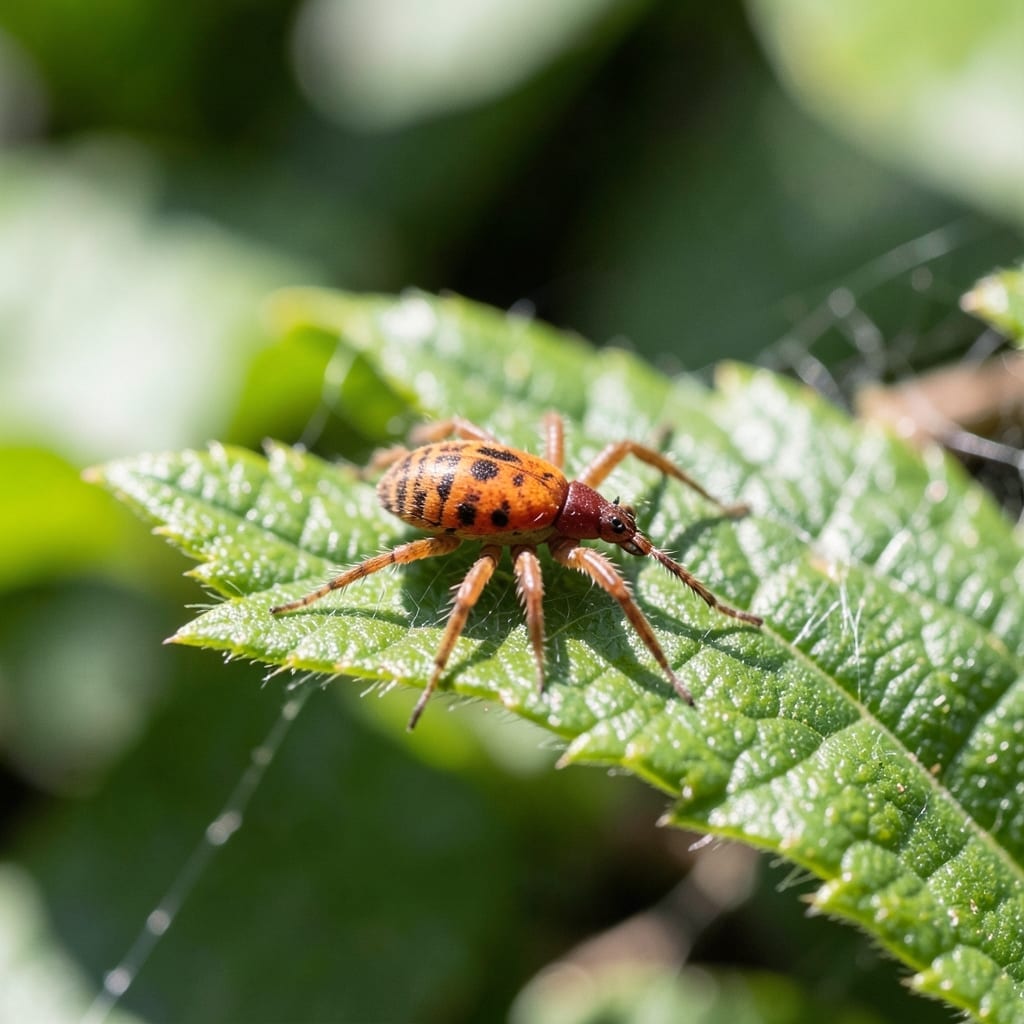
Spider webs on your prize roses ruin the view overnight. I’ve watched healthy plants become spider motels when conditions get just right—warm, undisturbed, and full of hiding spots.
The fix isn’t complicated: consistent cleaning, smart plant spacing, and natural deterrents. These work within days without harming plants or beneficial insects. I’ve tested every method, and the winners are simple.
You’ll see fewer webs immediately and long-term protection with minimal effort. The plants stay thriving, and the spiders relocate where they belong—far from your garden.
Works for all outdoor plants, from container herbs to full garden beds. Here’s what actually moves them out.
Spiders are naturally drawn to outdoor plants for a few key reasons, and understanding these causes can help you address the issue more effectively. Here’s why they’re setting up camp in your garden:
Spiders thrive where their prey is plentiful. Outdoor plants often attract insects like aphids, mites, and flies, which serve as a buffet for spiders. If your plants are infested with pests, spiders will follow, spinning webs to catch their next meal. Reducing the insect population on your plants can make them less appealing to spiders.
Dense foliage, mulch, and garden debris provide the perfect hiding spots for spiders. They seek out moist, shaded areas to build webs and lay eggs, especially under leaves or in crevices. Plants with thick, overlapping leaves or those surrounded by clutter (like fallen branches or piles of leaves) are prime real estate for these eight-legged tenants.
Spiders prefer environments with higher humidity, as it helps them stay hydrated and keeps their webs from drying out. Overwatered plants, poor drainage, or gardens in naturally damp climates create ideal conditions. If your outdoor plants are constantly wet or in a poorly ventilated area, spiders will be more likely to stick around.
In a balanced ecosystem, birds, lizards, and other predators help control spider populations. However, if your garden lacks these natural checks—due to pesticides, limited biodiversity, or urban settings—spiders can multiply unchecked. Encouraging predator activity (e.g., birdhouses or reducing chemical use) can help restore the balance.
Spiders on your outdoor plants can be pesky, but these practical fixes will help you reclaim your garden. Below are targeted solutions for common causes, along with prevention tips to keep them from coming back.
Dense, tangled plants provide the perfect hiding spots for spiders. Prune overgrown branches and remove dead leaves or debris around your plants. This reduces shelter and discourages spiders from settling in. Prevention tip: Regularly tidy up your garden to eliminate potential habitats.
Spiders thrive when their natural predators, like birds or beneficial insects, aren’t present. Encourage birds by adding a bird feeder or birdbath nearby. You can also introduce ladybugs or lacewings, which prey on spider mites and other small pests. Prevention tip: Avoid using broad-spectrum pesticides that kill off these helpful creatures.
Spiders are attracted to damp environments, especially in mulch or soil. Ensure proper drainage by using well-draining soil and avoiding overwatering. If your plants are in pots, make sure they have drainage holes. Prevention tip: Water your plants in the morning to allow excess moisture to evaporate during the day.
Create a physical barrier to keep spiders away. Wrap the base of your plants with sticky tape or copper tape, which spiders dislike crawling over. You can also place diatomaceous earth around the soil—it’s harmless to plants but dehydrates spiders. Prevention tip: Reapply barriers after rain or watering.
Spiders often go unnoticed until they’ve already spun webs. Inspect your plants weekly, paying special attention to the undersides of leaves and crevices. Remove any webs or egg sacs with a damp cloth or gentle stream of water. Prevention tip: Keep a spray bottle of water handy for quick cleanups.
With these solutions, you’ll keep your outdoor plants spider-free while maintaining a healthy, thriving garden. 🌼
Most are actually beneficial, feeding on pests like aphids. Only a few species might damage plants by spinning excessive webs.
Inspect weekly during warm months when spiders are most active. Focus on leaf undersides and stem joints where webs start.
A 50/50 vinegar-water spray can deter them, but isn’t always lethal. Reapply after rain for best results.
Use a damp cloth or gentle water spray to wipe them away. Avoid crushing sacs, which may release hundreds of spiderlings.