
Beautiful Plants For Your Interior
Beautiful Plants For Your Interior
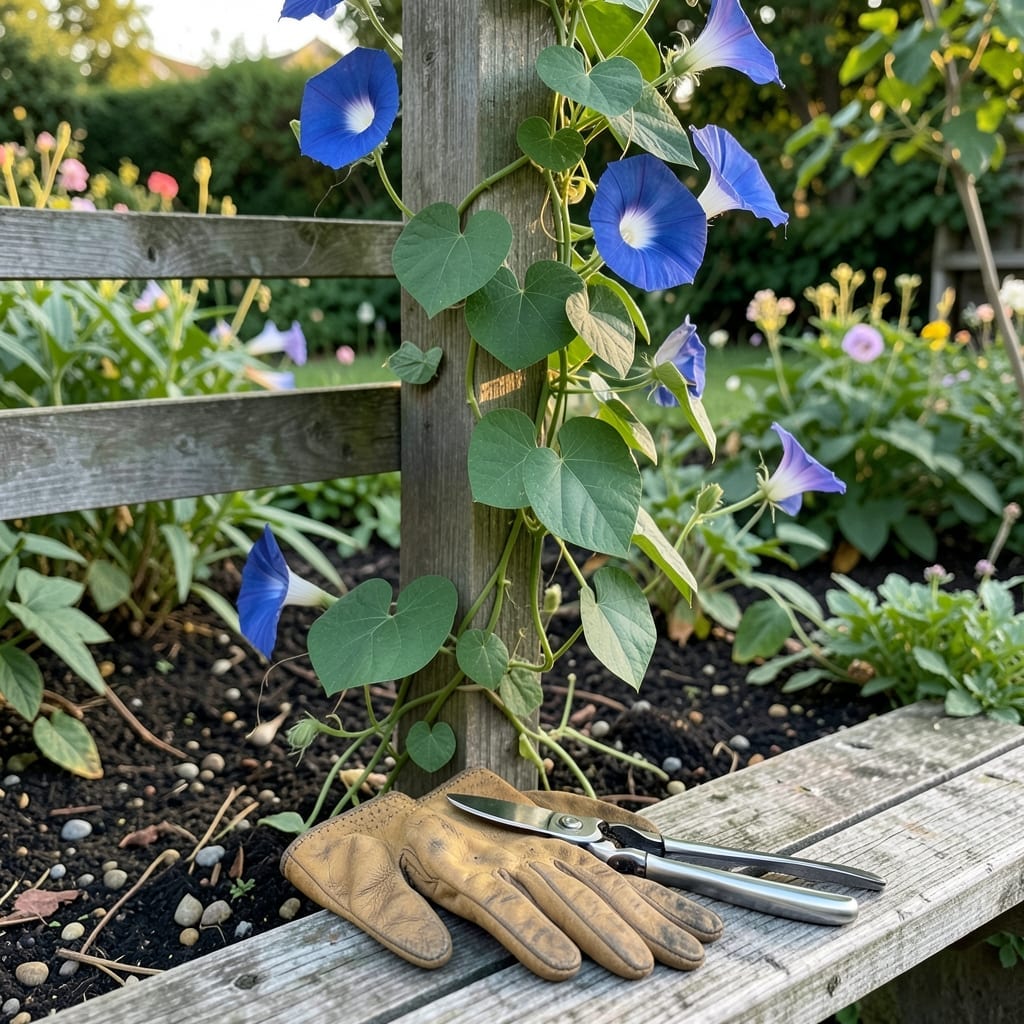
Morning glory looks innocent until it strangles your garden. I learned this the hard way when it overtaking my entire flower bed in one summer.
This plant spreads faster than you can pull it, with roots that run deep and vines that climb anything in their path. The key is catching it early and being relentless with removal.
You’ll need to dig out every bit of root and stem, as even small pieces left behind will regrow. Persistence pays off with a healthy garden free from this invasive plant.
Prevention is simpler than removal, so I’ll share how to keep it from coming back next season.
Morning glory vines can quickly overtake gardens, but understanding why they thrive helps you stop them at the source. These aggressive plants spread through a mix of natural resilience and human activity.
Morning glory seeds have a tough outer coating that allows them to survive harsh conditions. When soil temperatures warm up (typically above 70°F/21°C), seeds germinate rapidly—sometimes within 5–7 days. Their fast growth lets them outcompete slower plants for sunlight and nutrients.
Each morning glory plant produces hundreds of seeds per season, which can lie dormant in the soil for years. Wind, animals, and even garden tools spread these seeds far beyond their original location. This makes them a persistent nuisance in untended areas.
Many gardeners unintentionally plant morning glory as an ornamental vine, not realizing its invasive potential. Once established, it spreads aggressively via underground rhizomes and twining stems, choking out nearby plants.
Contaminated compost or mulch can also introduce seeds, so always source materials from trusted suppliers.
Morning glory can be stubborn, but these targeted solutions will help you reclaim your garden. Below are practical fixes for common causes, along with prevention tips to keep them from coming back.
For small infestations, pull vines by hand before they seed. Wear gloves to protect your hands, and remove the entire root system to prevent regrowth. Pro tip: 💡 Pull after a rain when the soil is soft—roots come out easier.
Prevention: Mulch garden beds with thick organic material (like wood chips) to smother new growth.
If seeds are the issue, cover the area with cardboard or black plastic for 4–6 weeks. This blocks sunlight and kills existing plants and seeds. Secure edges with rocks or stakes to keep it in place.
Prevention: Check nearby compost or soil for hidden seeds before planting. Use a fine mesh sifter to remove them.
For tougher patches, a horticultural vinegar spray (20–30% acetic acid) can kill morning glory without chemicals. Apply directly to leaves on a sunny day, but avoid spraying desired plants—it’s non-selective.
Prevention: Reapply every few weeks in growing season to catch new sprouts early.
If roots run deep, use a shovel or garden fork to dig them out. Focus on the main taproot; even small pieces left behind can regrow. Dispose of roots in the trash (not compost) to avoid reseeding.
Prevention: Plant competitive ground covers like clover or creeping thyme to outcompete morning glory.
Inspect your garden weekly during growing season. Morning glory sprouts quickly, so catching new shoots early prevents spread. Focus on borders and disturbed soil areas first.
No, never compost it. Even small root pieces can regrow, and seeds survive composting. Always bag and trash all plant material to prevent reinfestation.
Early spring is ideal, before seeds germinate. Late fall removal also helps by exhausting root reserves. Avoid summer when growth is most aggressive.
Only if applied thickly (4-6 inches) and consistently. Morning glory can push through thin mulch. Combine with other methods like smothering for best results.