
Beautiful Plants For Your Interior
Beautiful Plants For Your Interior
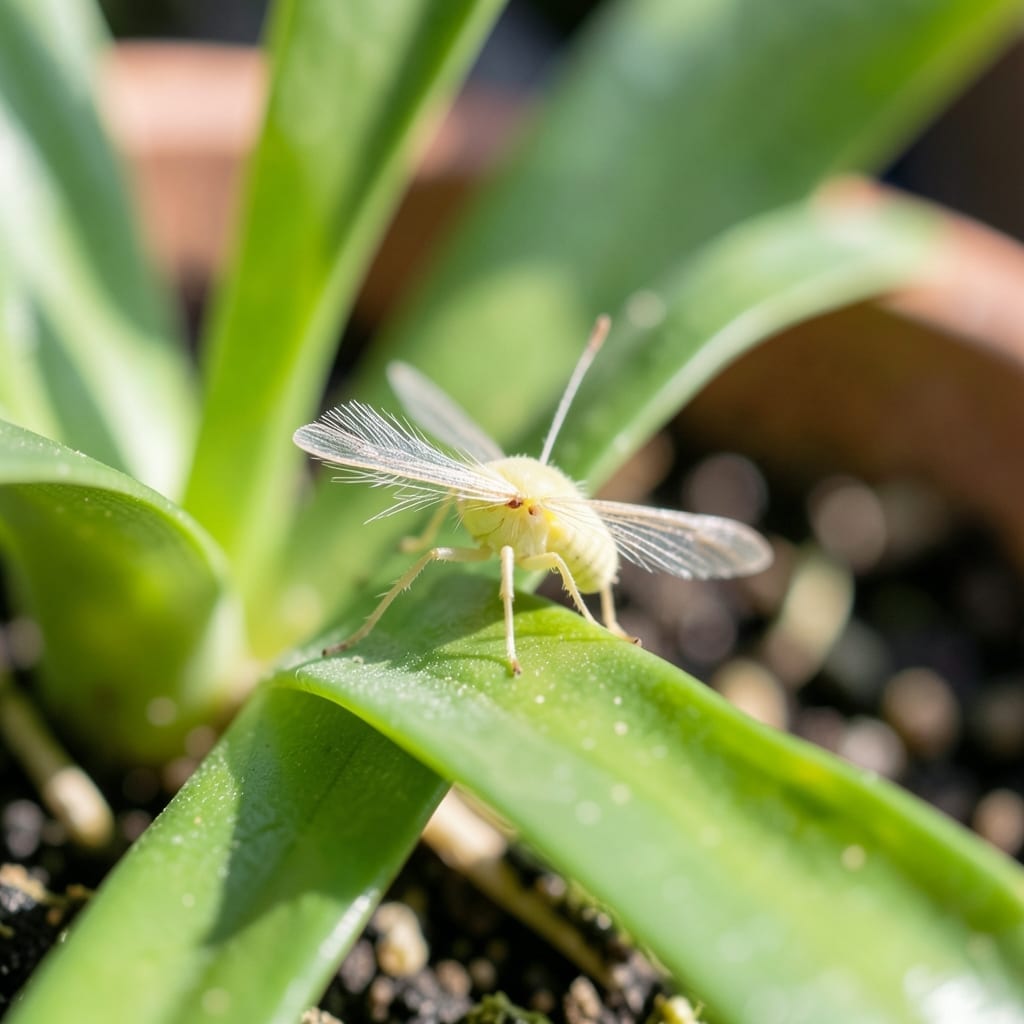
Tiny black flies hovering around my pothos made me question my plant parenting skills. I’ve battled every common houseplant pest—fungus gnats, spider mites, mealybugs—and learned that early action is everything.
The first sign is usually sticky leaves or fine webbing. Most infestations start from overwatering or bringing home a new plant without quarantine. I now inspect every new addition like it’s going through airport security.
Natural solutions work surprisingly well. A simple soapy water spray, neem oil, or beneficial insects can clear up problems without chemicals. The key is consistency—hit them hard and hit them often.
Prevention is simpler than treatment. Proper watering habits, good airflow, and regular inspections keep your plants pest-free. Here’s how to spot and stop these invaders for good.
Those pesky little bugs in your houseplants don’t appear out of thin air. Understanding why they show up is the first step to keeping them at bay. Here are the most common causes:
Excess moisture creates the perfect breeding ground for fungus gnats and other soil-dwelling pests. When roots sit in soggy soil, they weaken, making the plant more susceptible to infestations. Sciarid flies (fungus gnats) thrive in damp conditions, laying eggs that hatch into larvae, which then feed on decaying organic matter and roots.
If your potting mix contains unsterilized compost or garden soil, it may already harbor eggs or larvae from spider mites, aphids, or mealybugs. Commercial potting mixes are often treated to kill pests, but DIY blends or reused soil can introduce invaders without you realizing it.
Stagnant air around houseplants encourages pest proliferation. Poor ventilation traps humidity, which attracts whiteflies, scale insects, and spider mites. These pests thrive in still, warm environments where their natural predators (like ladybugs) can’t reach them.
One of the most common ways bugs spread is through new plants. If you bring home an infested plant without quarantining it, pests can quickly migrate to nearby greenery. Always inspect new plants for signs of bugs—like sticky residue (from aphids) or webbing (from spider mites)—before introducing them to your collection.
Dead leaves, fallen petals, and dust buildup on foliage provide food and shelter for pests. Mealybugs and thrips love hiding in plant debris, while dust can block pores, stressing the plant and making it more vulnerable to attack. Regularly cleaning leaves and removing dead matter disrupts their life cycle.
Don’t let pests turn your indoor jungle into a bug buffet. Here’s how to evict those tiny invaders and keep them from coming back.
Blast them off with a lukewarm shower in the sink or bathtub, focusing on the undersides of leaves. Repeat every 3-4 days until gone. Isolate the plant to prevent spreading. Prevention tip 💡: These pests love dry air—use a humidifier or mist your plants regularly.
Let the top 1-2 inches of soil dry completely between waterings. Place yellow sticky traps near the plant to catch adults. For larvae, mix a 1:4 ratio of hydrogen peroxide to water and soak the soil (this kills larvae on contact). Prevention tip 🎯: Always use sterile potting mix and avoid overwatering.
Dab them with a cotton swab soaked in rubbing alcohol (70% or higher) to dissolve their protective shells. For heavy infestations, apply neem oil or insecticidal soap weekly. Prevention tip ✨: Inspect new plants thoroughly and quarantine them for 2-3 weeks before introducing them to your collection.
Remove visible bugs with a cotton swab dipped in rubbing alcohol. Follow up with a spray of neem oil or insecticidal soap, ensuring full coverage. Repeat every 5-7 days for at least 3 weeks. Prevention tip 🌡️: Mealybugs thrive in warm, stagnant conditions—improve airflow around plants with a small fan.
For severe cases, repot the plant in fresh soil, discarding the old mix. Soak the pot in a 1:10 bleach-water solution for 10 minutes to kill lingering pests or eggs. Rinse thoroughly before reuse. Prevention tip 🔥: Regularly clean leaves with a damp cloth to remove dust and deter pests.
Inspect new plants immediately and quarantine for 2-3 weeks. For existing plants, check weekly under leaves and at soil level. Early detection prevents full infestations.
Yes! Mix 1 teaspoon mild dish soap with 1 quart water and spray directly on pests. The soap breaks down their protective coatings. Avoid harsh detergents.
Incomplete treatment often misses eggs or hidden bugs. Always repeat treatments every 5-7 days for 3-4 weeks to break the life cycle. Isolate infested plants.
Neem oil is generally safe but always test on a small area first. Some sensitive plants like ferns or succulents may react. Use 1 tablespoon neem oil per 1 gallon water.