
Beautiful Plants For Your Interior
Beautiful Plants For Your Interior
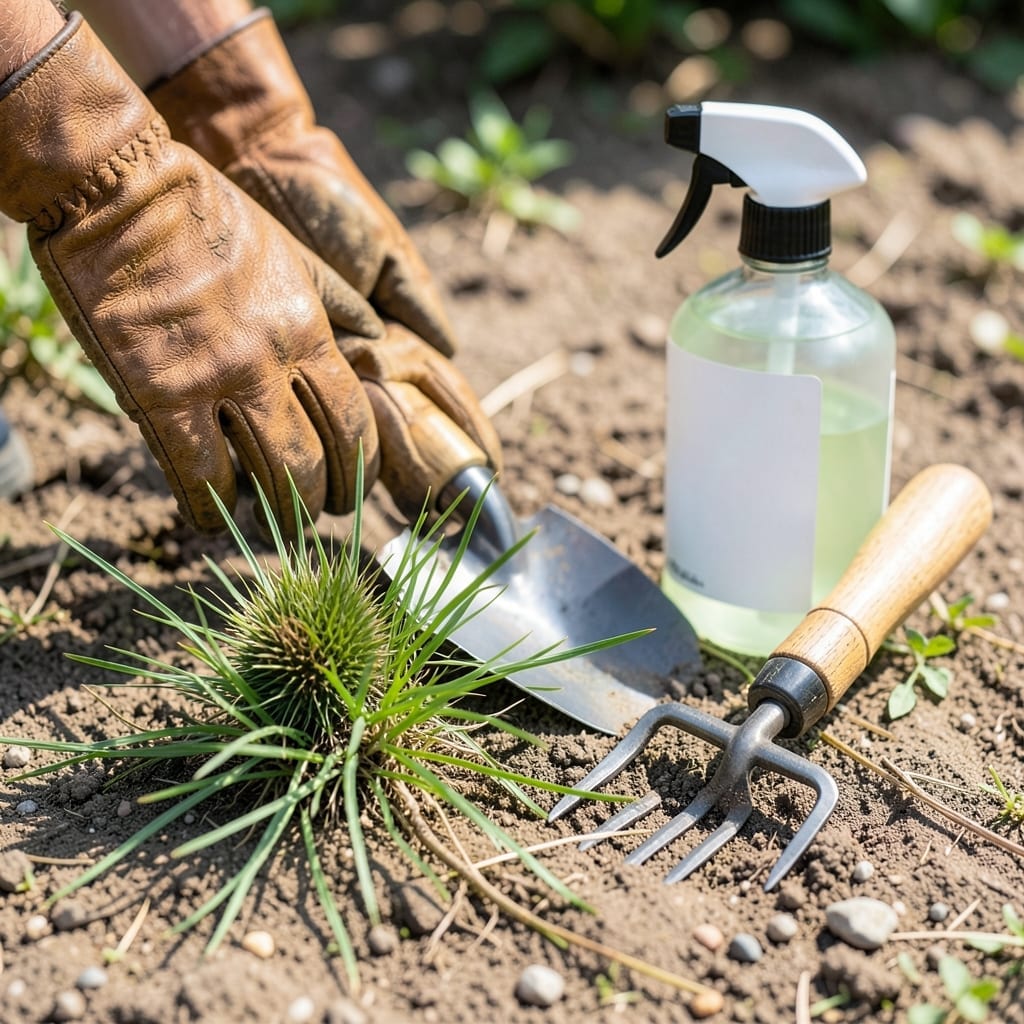
Grass burrs ruin barefoot lawn moments. I’ve battled these sticky invaders for seasons, and the key is stopping them before they seed.
They thrive in thin, weak turf where soil is compacted or bare. My lawn stayed clear once I fixed the underlying issues—proper mowing, aeration, and thick grass that chokes them out naturally.
For existing patches, manual removal works best in early spring before burrs form. A simple rake and persistence can clear small areas in one weekend.
Prevention is simpler than you think: healthy soil, the right grass type, and consistent care keep them from coming back. No chemicals needed.
Grass burrs, those pesky, prickly weeds, thrive under specific conditions. Understanding why they appear is the first step to a burr-free lawn. Here’s a breakdown of the most common causes:
Neglected lawns with thin or patchy grass create the perfect environment for grass burrs to take root. These weeds outcompete weak turf for sunlight, water, and nutrients. Bare spots, compacted soil, or infrequent mowing allow burr seeds to germinate and spread unchecked.
Inconsistent watering practices can stress your lawn, making it vulnerable to invasion. Overwatering promotes shallow root systems, while drought conditions weaken grass, giving burrs an opening. Grass burrs are drought-tolerant, so they thrive where your lawn struggles.
Compacted soil limits root growth and water penetration, which weakens your grass. Grass burrs, however, love compacted, poorly drained areas where other plants can’t compete. Their deep taproots help them access moisture and nutrients that shallow-rooted grasses can’t reach.
Grass burrs are opportunistic and will dominate in soil that lacks proper nutrients. If your lawn isn’t fertilized regularly, it may become malnourished and sparse, leaving room for burrs to establish themselves. A well-fed lawn is your best defense against these invaders.
Grass burrs (often Cenchrus species like sandburs or stickers) are warm-season weeds. They flourish in hot, sunny areas with temperatures between 85–95°F. If your lawn is in a region with long summers and plenty of sunlight, it’s more susceptible to burr infestations.
Grass burrs can turn a lush lawn into a prickly nightmare, but tackling them head-on with the right strategies will restore your yard’s comfort and beauty. Below are targeted solutions for common causes, paired with prevention tips to keep burrs from coming back.
If your grass is tall and unruly, burrs thrive in the shade and moisture it provides. Mow regularly, keeping your lawn at a height of 2–3 inches to discourage burr growth. Bag the clippings to prevent spreading seeds. Prevention tip: Stick to a weekly mowing schedule during growing season.
Burrs love damp, compacted soil. Aerate your lawn in early spring or fall to improve drainage and reduce waterlogging. Mix in compost or sand to break up heavy clay. Prevention tip: Test soil drainage by digging a small hole—if water pools for hours, it’s time to aerate!
Grass burrs often hitch a ride with other weeds. Hand-pull young burr plants (wear gloves!) or spot-treat with a post-emergent herbicide labeled for burrs. For large areas, pre-emergent herbicides in early spring can stop seeds from sprouting. Prevention tip: Apply a thick layer of mulch to garden beds to suppress weed growth.
Bare spots invite burrs to move in. Overseed your lawn in early fall with a hardy grass variety, then fertilize to strengthen existing turf. Water deeply but infrequently to encourage deep roots. Prevention tip: Reseed thin areas annually to maintain a dense, burr-resistant lawn.
With consistency, these fixes will evict grass burrs for good—and keep your yard a barefoot-friendly oasis. 💡
Yes, white vinegar (with 5% acetic acid) can kill young grass burrs when applied directly to leaves on a sunny day. Reapply every few days until the plants die, but avoid spraying desirable grass.
With herbicides, burrs typically wilt within 24-48 hours and die completely in 1-2 weeks. Natural methods like vinegar may take 3-5 days of repeated applications to fully eliminate them.
Maintain a thick, healthy lawn with regular mowing at 2-3 inches, aerate compacted soil, and overseed bare spots. A well-cared-for lawn naturally resists burr infestations.