
Beautiful Plants For Your Interior
Beautiful Plants For Your Interior
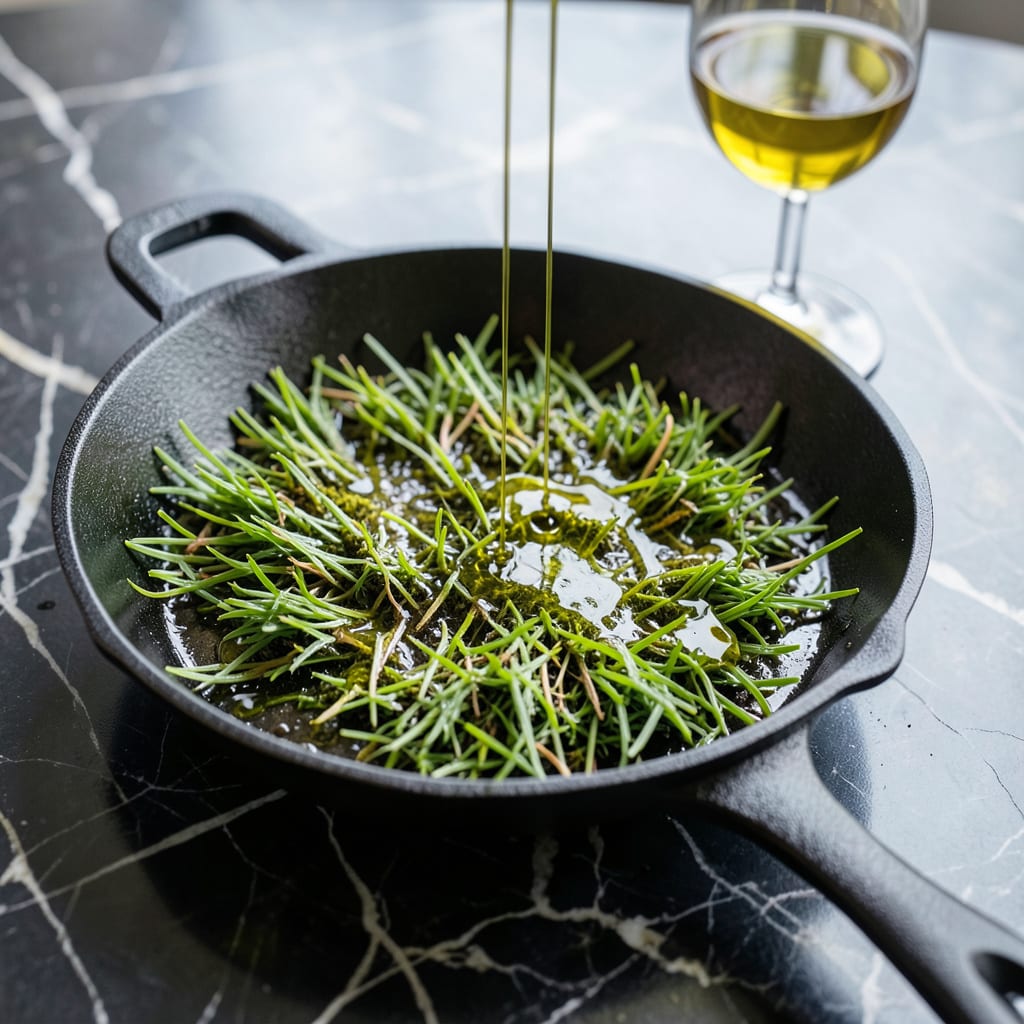
Fertilizing your Lawn Grass 🌿 in Texas can be tricky, but timing is everything for a lush yard. The state’s diverse climate zones mean the right fertilizer schedule varies depending on where you are.
In Texas’s 7b-9a zones, Spring and Fall are crucial for feeding your lawn. I’ll guide you through the best times and tips for optimal Lawn Grass health.

Fertilizing your lawn in Texas requires understanding the state’s diverse climate zones and grass types. The ideal fertilization schedule varies depending on your location and the type of grass you have. Texas spans USDA zones 7b through 9a, meaning the fertilization timing can differ significantly across the state 🌿.
In general, Spring and Fall are the most critical times for fertilizing lawns in Texas. During these seasons, lawns receive the necessary nutrients for growth and recovery. I’ll break down the optimal fertilization schedule for different seasons and grass types.
The Spring fertilization (late March to early May) is crucial as it helps your lawn recover from winter stress and promotes healthy growth. For Summer, a light feeding in June and August can help maintain your lawn’s health during the hot Texas weather. Fall fertilization (September to early November) is essential for promoting root growth and preparing your lawn for the next growing season.
Different grass types have specific fertilization needs. For example, Bermuda grass and Zoysia grass typically require more frequent fertilization during their growing seasons, while St. Augustine grass may need less frequent but more targeted fertilization.
It’s also important to consider the climate zone you’re in. Coastal regions may require different fertilization schedules compared to inland areas due to differences in temperature and rainfall patterns. Always check your local nursery or extension office for region-specific advice 🌟.
When fertilizing, choose a product that matches your grass type and follow the recommended application rates. Over-fertilizing can harm your lawn and the environment, so it’s crucial to follow the instructions carefully ⚠️.
For optimal results, consider soil testing to determine your lawn’s specific nutrient needs. This can help you choose the right type and amount of fertilizer, ensuring your lawn gets exactly what it needs to thrive.
By following a seasonal fertilization schedule tailored to your lawn’s needs, you can maintain a lush, healthy yard throughout the year.
Fertilizing your lawn is just one part of a comprehensive lawn care routine. Combining proper fertilization with regular maintenance will help you achieve the lush, green lawn you desire 🌿.
For more specific advice on fertilizing your lawn in Texas, consult with local gardening experts or your county’s extension service. They can provide guidance tailored to your specific climate and grass type 📚.
Fertilizing your lawn in Texas requires understanding the different types of grass common in the state. The most prevalent grass types include Bermuda, St. Augustine, and Zoysia. Each type has specific fertilization needs 🌿.
Bermuda grass thrives in Texas’s warm climate and requires frequent fertilization during its growing season. For optimal results, fertilize Bermuda grass every 4-6 weeks during the growing season (March to November).
When choosing a fertilizer, consider the NPK ratio and the specific needs of your grass type. A soil test can help determine your lawn’s nutrient deficiencies, ensuring you apply the right type and amount of fertilizer 🌟.
Timing is crucial when fertilizing your lawn. For most Texas lawns, Spring and Fall are the best times for fertilization. During these seasons, lawns receive the necessary nutrients for growth and recovery 🌱.
By following these fertilization tips tailored to your lawn type, you can maintain a lush, healthy yard throughout the year. Combining proper fertilization with regular maintenance will help you achieve the lush, green lawn you desire 🌿.
For more specific advice on fertilizing your lawn in Texas, consult with local gardening experts or your county’s extension service. They can provide guidance tailored to your specific climate and grass type 📚.
Fertilizing your lawn in Texas can be challenging, but avoiding common mistakes is crucial for maintaining a healthy yard 🌿.
One of the most significant errors is over-fertilizing, which can damage your lawn and the environment. Too much fertilizer can cause excessive growth, making your lawn more susceptible to disease and pests.
Always follow the recommended application rates to avoid over-fertilizing. Choose a fertilizer that matches your grass type and consider soil testing to determine your lawn’s specific nutrient needs.
Timing is also critical when fertilizing your lawn. Fertilizing at the wrong time can be ineffective or even harmful. For most Texas lawns, Spring and Fall are the best times for fertilization 🌱.
Soil testing is essential to determine your lawn’s nutrient deficiencies. This helps you choose the right type and amount of fertilizer, ensuring your lawn gets exactly what it needs to thrive 🌟.
By avoiding common fertilization mistakes and following proper fertilization practices, you can maintain a lush, healthy yard throughout the year 🌿.
For more specific advice on fertilizing your lawn in Texas, consult with local gardening experts or your county’s extension service. They can provide guidance tailored to your specific climate and grass type 📚.
In Texas, the ideal times to fertilize your lawn are during Spring (late March to early May) and Fall (September to early November). These periods provide your lawn with necessary nutrients for growth and recovery. Fertilizing during these seasons helps maintain a lush, healthy yard throughout the year .
The frequency of fertilization depends on your lawn type. For example, Bermuda grass should be fertilized every 4-6 weeks during its growing season (March to November), while St. Augustine grass requires less frequent fertilization. Always check the specific needs of your grass type for optimal results .
Yes, but it’s recommended to use a light feeding in June and August to maintain your lawn’s health during the hot Texas weather. Avoid over-fertilizing, as this can cause excessive growth and make your lawn more susceptible to disease and pests .
No, fertilization is not necessary during the winter months in Texas. Most lawn types go dormant during this time, and fertilizing can be ineffective or even harmful. Wait until Spring to resume fertilization .
