
Beautiful Plants For Your Interior
Beautiful Plants For Your Interior
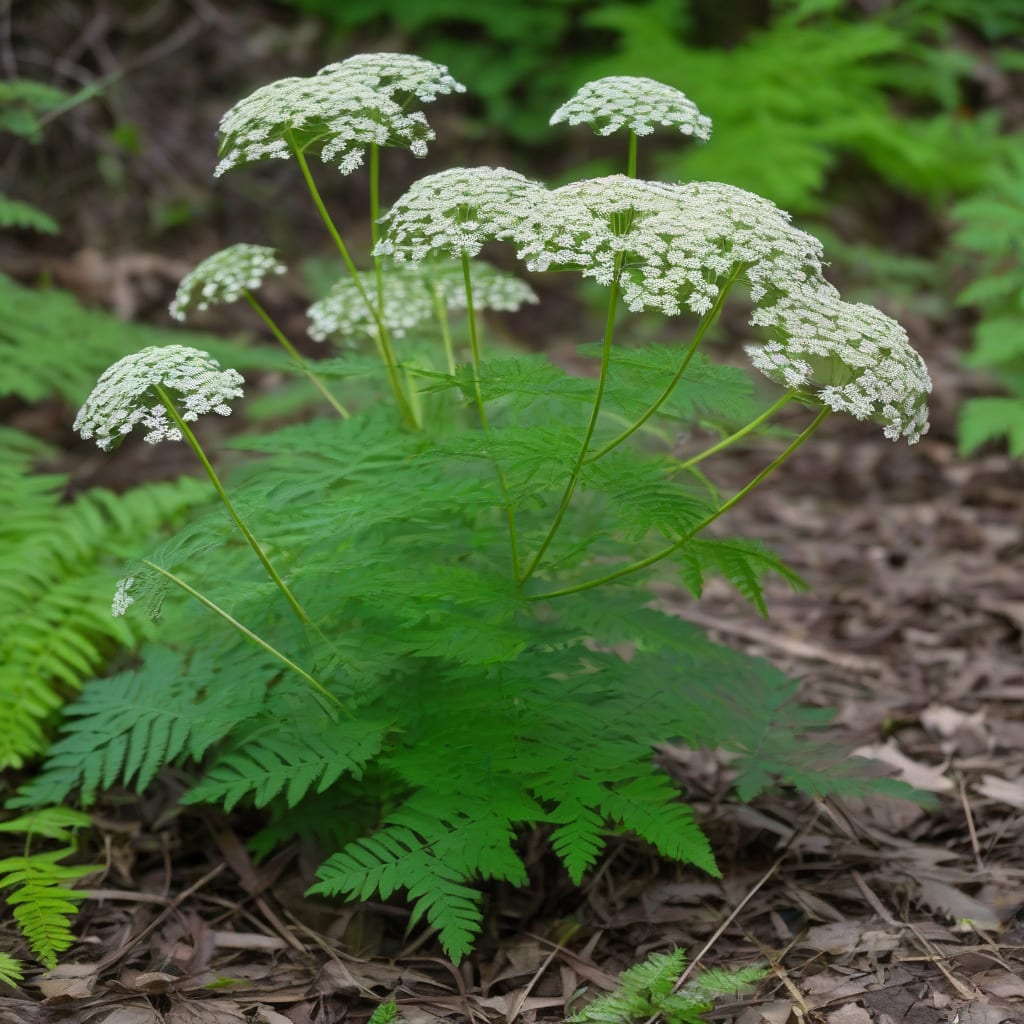
When dealing with potentially hazardous plants like ⚠️ Poison Hemlock, understanding their growth patterns is crucial for safety. This toxic plant can grow to alarming heights, making it a concern for gardeners and outdoor enthusiasts in USDA Zone 6.
I’ve found that knowing how tall Poison Hemlock can grow helps in identifying and managing it effectively. Let’s explore its growth habits and what you can do to control it in your garden or outdoor space.


Poison hemlock is known for its impressive height, which can range from 6 to 10 feet tall. This makes it a significant concern for gardeners and outdoor enthusiasts, as it can be easily mistaken for other plants or overlooked due to its height 🌿.
I’ve observed that poison hemlock typically grows in the spring season, reaching its full height by summer. The plant’s height can be influenced by various factors, including soil quality, moisture levels, and sunlight exposure ☀️.
The height of poison hemlock is a critical factor in identifying it, as it can grow to be as tall as a small tree or a 2-story house. This height, combined with its other characteristics, makes it a plant that demands attention and caution 🌳.
In my experience, the height of poison hemlock can vary depending on the specific growing conditions. For example, plants growing in areas with rich soil and ample moisture tend to grow taller tall. Conversely, plants in poor soil or dry conditions may not reach their full height potential 💧.
Understanding the growth habits of poison hemlock is essential for effective management. By recognizing its potential height and the factors that influence it, you can take steps to control its spread and minimize its impact on your garden or outdoor space 🌱.
I’ll continue to explore the factors that affect poison hemlock’s growth and height in the following sections, providing you with a comprehensive understanding of this toxic plant and how to manage it effectively 📚.
Poison hemlock’s height is just one aspect of its growth habits. In the next section, I’ll discuss the factors that affect its growth and height, providing you with valuable insights into managing this plant 🔍.
By understanding the growth patterns of poison hemlock, you can better identify and manage it in your garden or outdoor space. This knowledge will help you take the necessary steps to control its spread and minimize its impact 🌟.
I’ll summarize the key points about poison hemlock’s height and growth habits, providing you with a clear understanding of this toxic plant and how to manage it effectively 📝.
In conclusion, poison hemlock is a highly toxic plant that can grow to significant heights, making it a concern for gardeners and outdoor enthusiasts. By understanding its growth habits and the factors that influence its height, you can take steps to control its spread and minimize its impact 🌿.
Poison hemlock’s growth and height are influenced by several key factors that gardeners and outdoor enthusiasts should be aware of. Understanding these factors is crucial for effective management of this toxic plant 🌿.
I’ve found that soil quality plays a significant role in poison hemlock’s growth. The plant thrives in rich, moist soil with adequate nutrients. Soil that is high in nitrogen and other essential nutrients can support the plant’s rapid growth, allowing it to reach its full height potential 🌻.
Poison hemlock can grow in a variety of soil types, but it tends to thrive in areas with disturbed soil, such as along roadsides, in fields, and near water sources 💧.
Moisture levels are another critical factor affecting poison hemlock’s growth. The plant prefers consistent moisture, especially during its early stages of growth. Adequate rainfall or irrigation can support its rapid growth, while drought conditions may slow its development ☁️.
Sunlight exposure also impacts poison hemlock’s height. While the plant can tolerate some shade, it generally thrives in full sun to partial shade. Areas with more sunlight tend to support taller growth, while shaded areas may result in shorter plants 🌞.
In my experience, understanding these factors is essential for managing poison hemlock effectively. By recognizing the conditions that support its growth, you can take steps to control its spread and minimize its impact on your garden or outdoor space 🌟.
I’ll continue to explore the characteristics of poison hemlock, including how to identify it based on its height and other features. This knowledge will help you better manage this toxic plant and maintain a safe outdoor environment 🔍.
By being aware of the factors that affect poison hemlock’s growth and height, you can take proactive steps to control its spread and minimize its impact. This includes modifying growing conditions, removing the plant, or taking other management measures 🌱.
In conclusion, poison hemlock’s growth and height are influenced by a combination of factors, including soil quality, moisture levels, and sunlight exposure. Understanding these factors is crucial for effective management of this toxic plant 🌿.
When dealing with poison hemlock, identification is crucial for safety. The plant’s height is just one factor to consider when trying to identify it 🌿.
I’ve found that poison hemlock can be identified by its height, which can range from 6 to 10 feet tall. However, height alone is not enough to confirm identification, as other plants can grow to similar heights 🔍.
By recognizing these characteristics, you can better identify poison hemlock and take necessary precautions to avoid exposure ⚠️.
In my experience, it’s essential to be cautious when handling or approaching plants that may be poison hemlock. If you’re unsure about the identity of a plant, it’s best to consult with a qualified expert or take steps to avoid exposure 🔍.
Understanding the characteristics of poison hemlock, including its height, is crucial for effective management and safety. By being aware of these factors, you can take proactive steps to control its spread and minimize its impact 🌟.
