
Beautiful Plants For Your Interior
Beautiful Plants For Your Interior
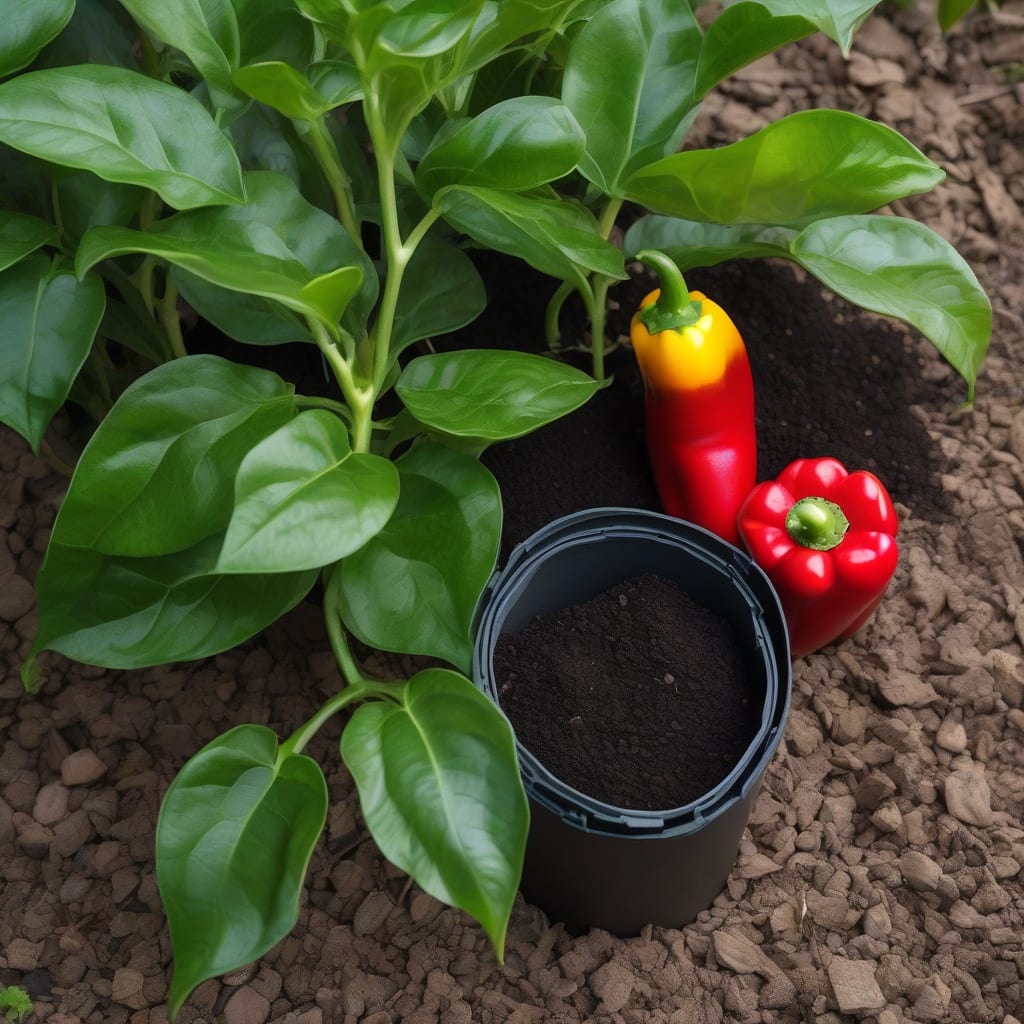
As an Illinois gardener, you’re probably wondering when to plant peppers 🌶️ to beat the unpredictable spring weather. The key is timing – planting at the right moment can make all the difference in your harvest.
I’ll guide you through the best time to plant peppers in Illinois, considering factors like frost dates and soil temperature. Let’s get started on growing thriving pepper plants in the Prairie State.
Ideal Time
Also Good
When it comes to planting peppers in Illinois, timing is everything. The state’s unpredictable spring weather can be challenging for gardeners, but understanding the climate zones, frost dates, and ideal soil temperature can help you succeed.
Illinois spans across different USDA Hardiness Zones, ranging from 5b in the north to 7a in the south. This variation affects the optimal planting time for peppers. Generally, pepper plants thrive in warm weather with adequate moisture 🌟.
In Illinois, the ideal time to plant peppers is in late spring, after the last frost date. For most areas, this means waiting until late May or early June. Peppers require warm soil to grow well, so it’s essential to check the soil temperature before planting 🌿.
Pepper plants prefer full sun and well-draining soil. To ensure optimal growth, choose a location that receives at least 6 hours of direct sunlight per day. Soil preparation is also crucial; peppers benefit from rich, organic soil with a pbalanced pH between 6.0 and 6.8.
To get a head start on the growing season, many gardeners in Illinois start pepper seeds indoors 8-10 weeks before the last expected frost date. This allows the seedlings to establish themselves before being transplanted outdoors 🌟.
When transplanting pepper seedlings outdoors, it’s essential to harden off the plants first. This process involves gradually exposing the seedlings to outdoor conditions over the course of 7-10 days. Start by placing the seedlings outside in a protected location for a few hours a day, gradually increasing the duration and exposure to direct sunlight and wind.
Illinois gardeners should be aware of the state’s unpredictable spring weather, which can bring late frosts or extended cold snaps. To mitigate these risks, consider using row covers or frost blankets to protect young pepper plants. These protective measures can help safeguard your crop and ensure a successful harvest 🌟.
By understanding the climate factors and planting conditions in Illinois, you can optimize your pepper crop and enjoy a bountiful harvest. Whether you’re growing sweet bell peppers or hot jalapeños, the right timing and preparation are key to success.
For more specific advice tailored to your region within Illinois, consult local gardening resources or your county’s Cooperative Extension office. They can provide valuable insights into the best practices for growing peppers in your area 📚.
In summary, planting peppers in Illinois requires careful planning and attention to weather conditions, soil temperature, and frost dates. By following these guidelines and adapting to your local climate, you can enjoy a thriving pepper crop and a rewarding gardening experience 🌶️.
To grow thriving pepper plants in Illinois, you need to prepare your soil properly and choose the right pepper varieties 🌿.
Start by testing your soil’s pH level and nutrient content. Peppers prefer a slightly acidic to neutral soil pH, between 6.0 and 7.0. Based on your soil test results, amend the soil as necessary with organic matter like compost or well-rotted manure to improve its structure and fertility 🌟.
When selecting pepper varieties, consider factors like disease resistance, maturity days, and desired heat level. Popular pepper varieties for Illinois gardens include ‘Bell Boy’, ‘Cubanelle’, and ‘Jalapeno’ 🌶️.
Start pepper seeds indoors about 8 weeks before the last expected frost date. Use seed starting mix and keep the soil warm (around 80°F) until germination. Once seedlings have 2-3 sets of leaves, transplant them into larger containers to give them more room to grow 🌻.
By following these steps, you’ll be well-prepared to grow a bountiful harvest of delicious peppers in your Illinois garden. Happy gardening! 🌼
With careful planning and attention to these details, you’ll be enjoying a successful pepper crop in Illinois. Good luck with your gardening endeavors! 🌿
To ensure a successful pepper harvest in Illinois, proper care is essential throughout the growing season. I’ll share valuable tips on watering, fertilizing, and protecting your pepper plants from common weather challenges 🌟.
Water pepper plants deeply but infrequently to encourage deep root growth. Aim for about 1-2 inches of water per week, either from rainfall or irrigation 💧.
Pepper plants in Illinois need consistent moisture, especially during hot summer months. Check the soil regularly by inserting your finger into the soil up to the knuckle. If it feels dry, it’s time to water 🌿.
Fertilization is another critical aspect of pepper plant care. Feed your pepper plants with a balanced fertilizer (such as 10-10-10 NPK) every 4-6 weeks. This will provide them with the necessary nutrients for healthy growth and fruit production 🌟.
Illinois’ climate can bring unexpected weather challenges, such as late frosts or prolonged heatwaves. To protect your pepper plants, consider using row covers during cold snaps and providing shade cloth during extreme heat 🌟.
By following these care tips, you’ll be well on your way to growing a thriving and productive pepper crop in Illinois. Happy gardening! 🌼
For more specific advice on caring for pepper plants in your area, consult local gardening resources or your county’s Cooperative Extension office. They can provide valuable insights into the best practices for growing peppers in Illinois 📚.
