
Beautiful Plants For Your Interior
Beautiful Plants For Your Interior
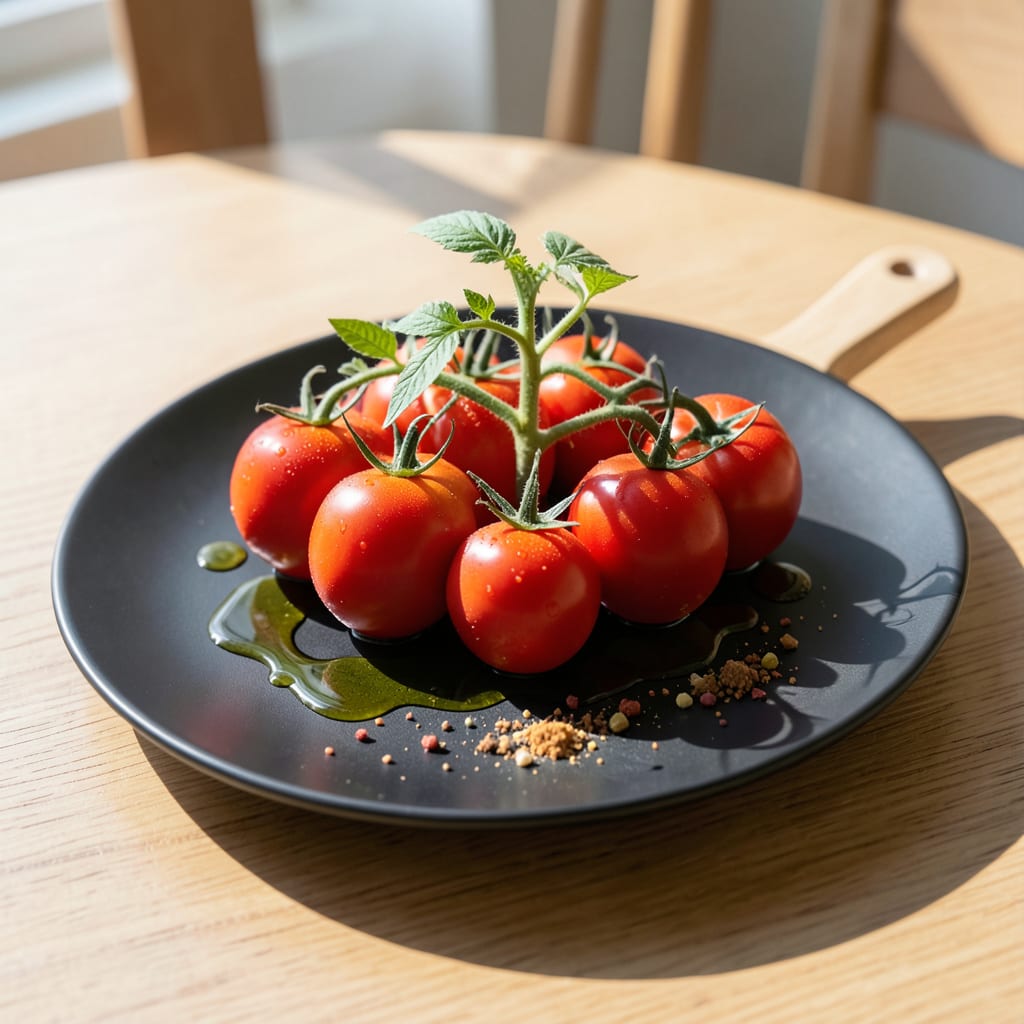
Growing tomatoes 🍅 in Pennsylvania can be challenging, but with the right timing, you’ll enjoy a bountiful harvest. The key is understanding the state’s climate and frost dates to determine the best planting time.
In Pennsylvania, specifically in zone 6b, the ideal time to plant tomatoes is in late spring when the soil has warmed up and the risk of frost has passed. Let’s explore the specific timing and preparation needed for a successful tomato harvest.
When growing tomatoes in Pennsylvania, timing is crucial for a successful harvest. The state’s climate varies significantly across regions, making it essential to understand the local conditions. Pennsylvania falls within USDA Hardiness Zone 6b, where the last frost date typically occurs around mid-April.
The ideal time to plant tomatoes is after the last frost date when the soil has warmed up to at least 55°F. In Pennsylvania, this usually happens between late April and early May, depending on the specific location. Planting at the right time ensures that tomato plants have the best chance to thrive.
Understanding these factors helps Pennsylvania gardeners plan their tomato planting schedule effectively. The state’s diverse climate means that planting times can vary between regions. For instance, the southeastern part of Pennsylvania tends to be warmer than the mountainous regions.
To determine the exact planting time, it’s essential to check the local weather forecast and soil temperature. Gardeners can use a soil thermometer to ensure the soil has reached the optimal temperature for tomato planting. This preparation helps in achieving a bountiful harvest during the summer months.
Tomatoes require full sun and well-drained soil to grow successfully. Pennsylvania’s climate provides the necessary conditions for tomato cultivation, with proper planning and care.
By planting tomatoes at the right time and providing the necessary care, gardeners can enjoy a successful growing season. This includes regular watering, fertilization, and pest management. With these practices in place, Pennsylvania gardeners can look forward to a rewarding tomato harvest.
For more specific guidance tailored to different regions within Pennsylvania, it’s helpful to consult local gardening resources or extension services. They can provide detailed information on frost dates, soil conditions, and other factors that influence tomato planting.
Additionally, selecting the right tomato variety for the Pennsylvania climate is crucial. Some varieties are better suited to the state’s conditions, offering resistance to common diseases and adaptability to local weather patterns.
Gardeners should also be prepared to protect their tomato plants from unexpected frosts or cold snaps. Using frost protection methods such as row covers or cold frames can help safeguard the plants during unexpected cold weather.
Overall, with careful planning and attention to the specific needs of tomato plants, Pennsylvania gardeners can enjoy a productive and rewarding growing season. By following these guidelines and staying informed about local conditions, gardeners can maximize their chances of success.
Planting tomatoes in Pennsylvania requires a combination of knowledge, preparation, and the right timing. By understanding the local climate and following best practices, gardeners can achieve a bountiful tomato harvest and enjoy the fruits of their labor throughout the summer.
When growing tomatoes in Pennsylvania, understanding regional variations is crucial for optimal planting times. The state’s diverse climate means that different regions have different ideal planting dates. Let’s explore the specific guidance for various Pennsylvania regions.
The southeastern part of Pennsylvania, being generally warmer, typically allows for earlier planting compared to the colder mountainous regions. Gardeners in these areas need to adjust their planting schedules accordingly to maximize their harvest.
Elevation plays a significant role in determining the ideal planting time. Higher elevations experience cooler temperatures, which delay the optimal planting time. Gardeners in these regions should monitor soil temperature closely and wait for it to reach the optimal level for tomato planting.
For gardeners in different regions, checking local frost dates and soil temperature is essential. This information helps in planning the best time to plant tomatoes, ensuring a successful growing season. Using tools like soil thermometers can provide accurate readings, helping gardeners make informed decisions.
By understanding the regional differences and adjusting planting times accordingly, Pennsylvania gardeners can enjoy a bountiful tomato harvest. Whether you’re in the warmer southeast or the cooler northeast, timing your planting correctly is key to success.
Additionally, consulting local gardening resources or extension services can provide valuable insights into the best practices for your specific region. They offer guidance on frost dates, soil conditions, and other factors that influence tomato planting.
With careful planning and attention to regional variations, gardeners across Pennsylvania can achieve a successful and rewarding growing season. By following these guidelines, you can maximize your chances of enjoying a plentiful tomato harvest throughout the summer 🌼.
Before planting tomatoes in Pennsylvania, it’s essential to prepare the soil and choose the right variety for your region. Proper preparation ensures that your tomato plants have the best chance to thrive in the state’s climate.
Start by testing your soil to determine its pH level and nutrient content. Tomatoes prefer well-drained soil with a pH between 6.0 and 6.8. Based on your soil test results, you may need to amend the soil with organic matter like compost or well-rotted manure to improve its structure and fertility.
Use row covers or cold frames to protect young tomato plants from unexpected frosts or cold snaps in Pennsylvania’s spring weather.
Selecting the right tomato variety is crucial for success in Pennsylvania’s climate. Look for varieties that are disease-resistant and suitable for the state’s growing conditions. Some popular varieties for Pennsylvania gardeners include ‘Brandywine’ and ‘Early Girl’.
Once you’ve prepared your soil and chosen your tomato variety, it’s time to plan for frost protection. Pennsylvania’s spring weather can be unpredictable, and late frosts can damage young tomato plants. Consider using frost protection methods to safeguard your plants.
By following these pre-planting preparation steps, you can set your tomato plants up for success and enjoy a bountiful harvest throughout the summer. Proper planning and preparation are key to growing delicious tomatoes in Pennsylvania’s climate 🌼.
The ideal soil temperature for planting tomatoes is at least 55°F. You can check the soil temperature using a soil thermometer to ensure it’s ready for planting. This temperature typically occurs in late April to early May in Pennsylvania.
Regional variations significantly impact tomato planting times in Pennsylvania. The southeastern region tends to be warmer, allowing for earlier planting around late April, while the northeastern and mountainous regions should wait until early to mid-May due to cooler temperatures.
Before planting tomatoes, test your soil to determine its pH level and nutrient content. Tomatoes prefer well-drained soil with a pH between 6.0 and 6.8. Amend the soil with organic matter if necessary, and choose disease-resistant tomato varieties suitable for Pennsylvania’s climate.
To protect your tomato plants from unexpected frosts, consider using frost protection methods such as row covers or cold frames. These methods can help safeguard your plants during cold snaps in Pennsylvania’s spring weather.
