
Beautiful Plants For Your Interior
Beautiful Plants For Your Interior
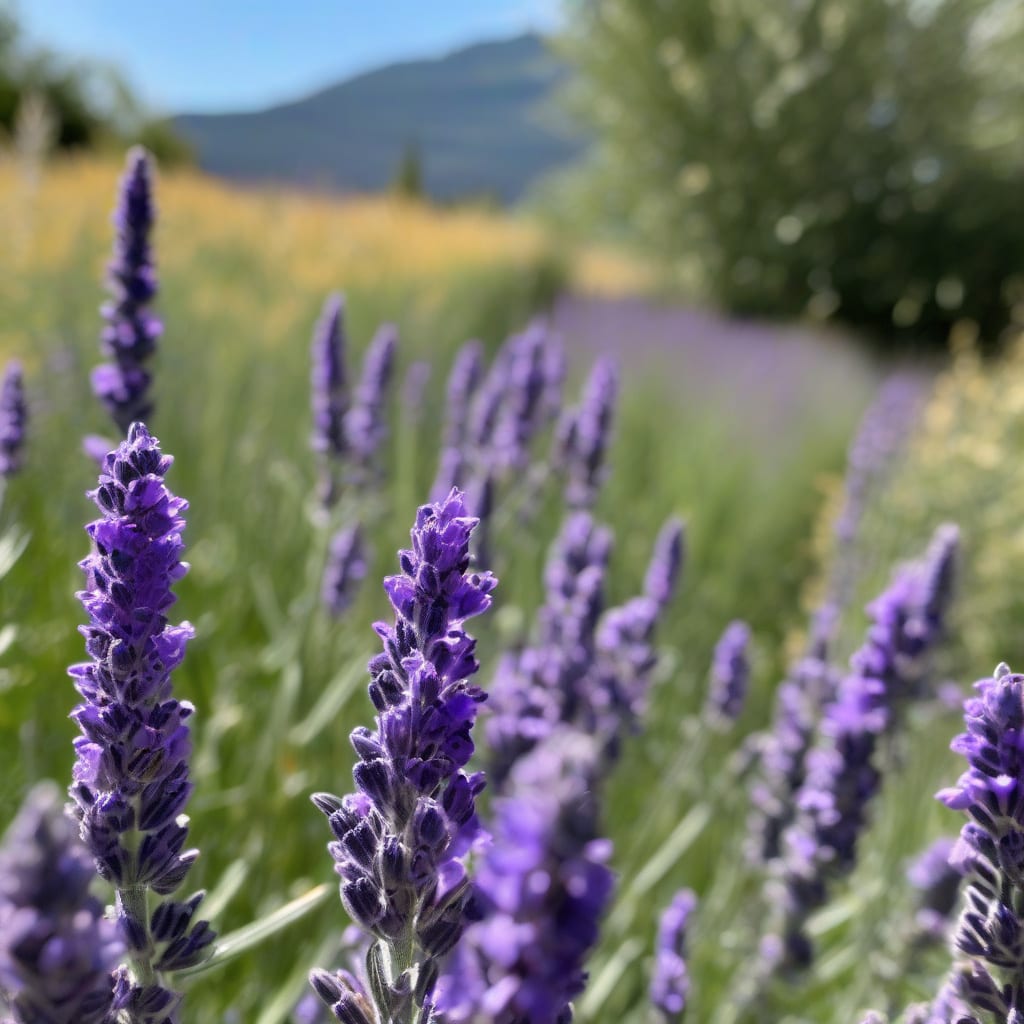
When I first started growing Lavender 💜, I wondered how tall it would get. The height of Lavender plants varies depending on the variety and growing conditions. In USDA Zone 6, you can expect moderate growth.
Understanding Lavender’s growth habits helps you plan your garden effectively. Let’s explore the factors that affect its height and how to maintain a healthy plant.

Lavender plants, while not true trees, can grow to varying heights depending on several factors. Understanding these factors helps gardeners plan their landscapes effectively and maintain healthy plants 🌿.
The height of Lavender plants is influenced by climate, soil quality, pruning practices, and variety selection. Each of these factors plays a crucial role in determining the maximum height potential of Lavender 💜.
In ideal conditions with full sun and well-draining soil, Lavender plants can reach their maximum height potential. However, factors like climate stress or poor soil can limit their growth 🌱.
The typical mature height of Lavender plants ranges between 2-3 feet. Some varieties may grow taller or remain more compact based on their genetic makeup and growing conditions.
Pruning practices significantly impact Lavender height. Regular pruning after flowering helps maintain a desired height and encourages denser growth.
Understanding these growth factors helps gardeners make informed decisions about plant placement and care. Proper care ensures that Lavender plants reach their full height potential while maintaining overall health.
By considering these factors, gardeners can optimize growing conditions for their Lavender plants. This leads to healthier plants that achieve their maximum height potential.
Regular monitoring of growth conditions and adjusting care practices accordingly is key. This proactive approach helps maintain the desired height and promotes overall plant health.
For gardeners in USDA Zone 6, understanding local climate conditions is particularly important. This knowledge helps in providing the best care for Lavender plants.
In summary, multiple factors influence the height growth of Lavender plants. By managing these factors effectively, gardeners can promote healthy growth and achieve desired heights.
Effective Lavender care involves a combination of proper soil preparation, appropriate watering, and regular pruning. These practices contribute to achieving the maximum height potential of the plants.
Lavender plants come in various types, each with its unique growth characteristics. Understanding these differences helps gardeners choose the right variety for their landscape 💜.
The height potential of Lavender plants varies significantly across different varieties. Some grow taller, while others remain more compact.
The maximum height potential of Lavender varieties ranges from 2-4 feet, depending on the specific type. English and French Lavenders typically grow between 2-3 feet tall, while Spanish Lavender can reach up to 3-4 feet in ideal conditions 🌿.
Growth habits also vary among Lavender varieties. Some have a more compact, bushy growth, while others are more upright or slightly sprawling. Understanding these habits helps in planning garden layouts.
When selecting a Lavender variety, consider both the desired height and growth habit. This ensures that the plants fit well within the intended landscape design.
Different Lavender varieties not only differ in height but also in their flowering characteristics and fragrance. Choosing the right variety involves balancing these factors with the desired height 🌸.
In summary, Lavender varieties offer a range of height potentials and growth habits. By understanding these differences, gardeners can make informed decisions when selecting plants for their gardens.
For gardeners in USDA Zone 6, most Lavender varieties thrive with proper care. Selecting varieties known to perform well in the local climate is crucial for achieving the desired height and overall plant health.
By choosing the appropriate Lavender variety and providing optimal growing conditions, gardeners can enjoy plants that reach their full height potential while maintaining a healthy and vibrant appearance.
Managing Lavender height through pruning is essential for maintaining the desired shape and promoting healthy growth 🌱.
Pruning helps control the height of Lavender plants and encourages denser, bushier growth. Regular pruning after flowering is a key practice for gardeners 💜.
Prune Lavender after it finishes flowering to maintain shape and promote new growth.
Remove any dead or damaged branches to keep the plant healthy and encourage new growth.
Shape the Lavender plant by cutting back about one-third of the growth to maintain the desired height.
Regular pruning practices not only help in maintaining the desired height but also promote healthier Lavender plants. This practice is crucial for gardeners looking to optimize their plant’s growth 🌿.
By following these pruning tips, gardeners can effectively manage the height of their Lavender plants. This leads to a more balanced and aesthetically pleasing garden landscape.
For gardeners in USDA Zone 6, understanding the best pruning practices is particularly important. Proper pruning ensures that Lavender plants remain healthy and thrive in the local climate.
In summary, pruning is a vital aspect of Lavender care that directly impacts plant height. By implementing regular pruning practices, gardeners can achieve the desired height and promote overall plant health 💪.
