
Beautiful Plants For Your Interior
Beautiful Plants For Your Interior
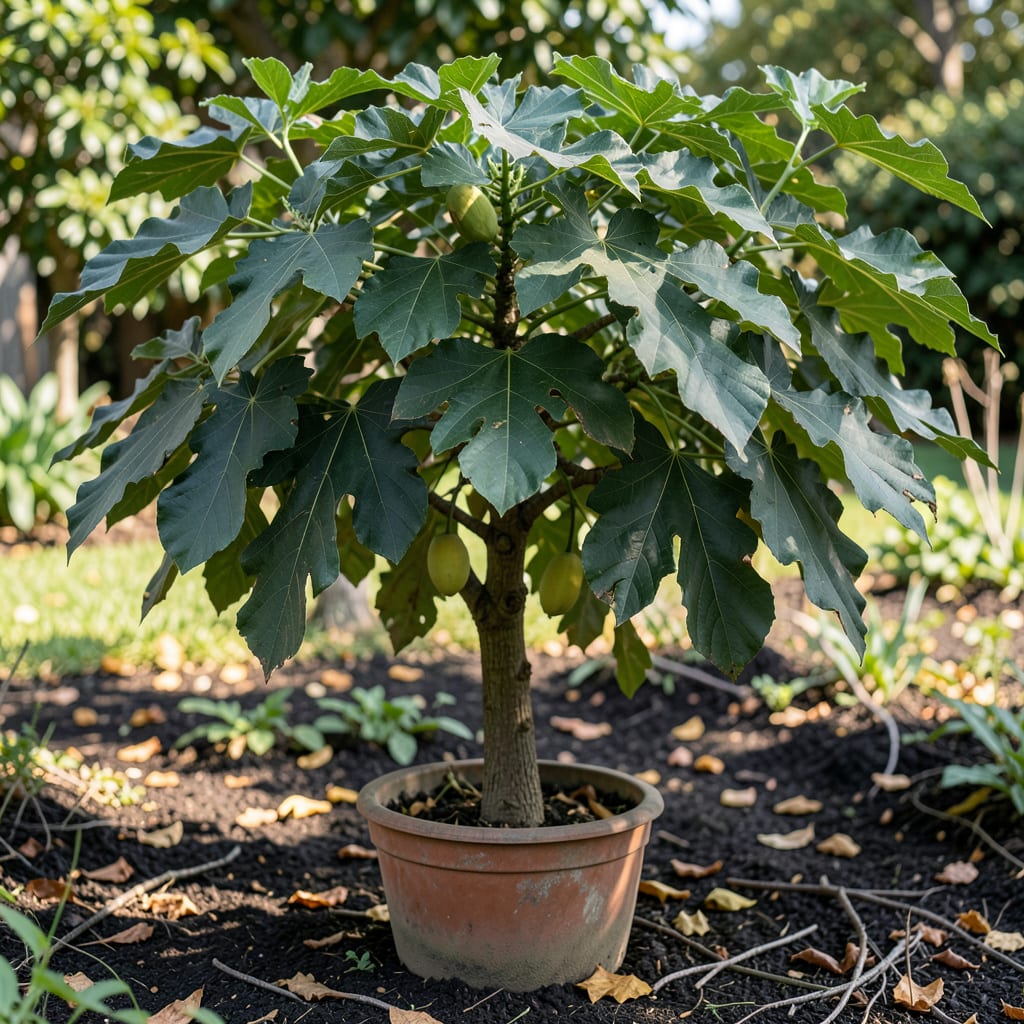
When I first planted my Pawpaw Tree 🌳, I wondered how tall it would grow. Native to North America, these trees have unique growth habits that can affect their height.
The Pawpaw Tree can grow between 15-30 feet tall, depending on factors like soil quality and climate conditions in your area, such as USDA Zone 6. Let’s explore what influences their growth.


When I consider how tall a pawpaw tree will grow, I look at several key factors that influence its height. The soil quality plays a significant role in determining the tree’s growth potential. Pawpaw trees prefer well-drained, rich soil with a pH between 5.5 and 7.0. 🌳
Climate conditions are another crucial factor. Pawpaw trees thrive in temperate climates with warm summers and cold winters, typically found in USDA Zone 6. The tree’s growth is affected by the number of frost-free days, with a minimum of 180 days required for optimal growth.
The genetic makeup of the pawpaw tree also influences its height. Different varieties have inherent growth patterns that can affect their maximum height. Some trees may naturally grow taller or shorter than others due to their genetic predisposition.
Sunlight exposure is vital for the healthy growth of pawpaw trees. They require at least 6 hours of direct sunlight daily, although they can tolerate some shade. Proper sunlight exposure promotes healthy growth and fruit production.
Watering practices also impact the tree’s growth. Pawpaw trees prefer consistent moisture, with weekly watering recommended. Deep soaking is essential to encourage deep root growth, making the tree more resilient to drought conditions.
By understanding these factors, I can better manage the growth of my pawpaw tree and ensure it reaches its full potential height. Proper care and attention to these factors will help the tree thrive and produce delicious fruit. 🌳
In my experience, maintaining the right balance of these factors is crucial. For instance, ensuring the tree gets enough sunlight and water, while also providing it with nutrient-rich soil, will promote healthy growth. 🌱
It’s also important to note that pawpaw trees are relatively low-maintenance compared to other fruit trees. They don’t require extensive pruning or fertilization, making them a great choice for home gardeners.
Overall, the height of a pawpaw tree is influenced by a combination of factors, including soil quality, climate conditions, genetic factors, sunlight exposure, and watering practices. By understanding and managing these factors, I can help my pawpaw tree grow to its maximum potential height.
As I continue to care for my pawpaw tree, I’ll be monitoring its growth and adjusting my care practices as needed. With the right conditions and care, I’m confident my tree will thrive and provide me with delicious fruit for years to come.
By following these guidelines and understanding the factors that influence pawpaw tree growth, you can also enjoy a healthy and productive tree in your garden. Happy gardening! 🌼
When I consider the height of pawpaw trees, I find that they typically grow between 15-30 feet tall. This height range makes them a great choice for home gardens, as they provide shade without becoming too overwhelming 🌳.
The maximum height of a pawpaw tree is influenced by factors such as soil quality, climate conditions, and genetic predisposition. In ideal conditions, with rich soil and adequate moisture, pawpaw trees can reach their full height potential.
Pawpaw trees usually grow between 15-30 feet tall, making them a medium-sized tree.
Some pawpaw trees have been known to grow taller than 30 feet in exceptional conditions.
Pawpaw trees thrive in USDA Zone 6 with 180 frost-free days, promoting healthy growth.
Pawpaw trees are known for their relatively fast growth rate, especially during the first few years. They can grow 4 feet in the first year, 8 feet by the second year, and 12 feet by the third year 🌱.
To achieve maximum height, it’s essential to provide pawpaw trees with the right growing conditions. This includes well-drained soil, adequate sunlight, and consistent moisture. By understanding these requirements, you can help your pawpaw tree grow to its full potential height 🌼.
In my experience, maintaining the right balance of care practices is crucial for promoting healthy growth. Ensuring the tree receives enough sunlight and water, while also providing nutrient-rich soil, will support its growth.
Pawpaw trees are relatively low-maintenance compared to other fruit trees. They don’t require extensive pruning or fertilization, making them a great choice for home gardeners.
By following these guidelines and understanding the factors that influence pawpaw tree growth, you can enjoy a healthy and productive tree in your garden. Happy gardening!
When it comes to managing the height of a pawpaw tree, pruning techniques play a crucial role. Pruning helps control the tree’s height while maintaining its health and fruit production 🌳.
I recommend pruning your pawpaw tree during its dormant season, typically in late winter or early spring. This timing helps minimize the risk of disease and promotes healthy growth.
Start by removing any dead or damaged branches to prevent disease and encourage healthy growth.
Thin out the center of the tree to allow more sunlight to penetrate and promote air circulation.
Reduce the height of the tree by cutting back the tallest branches to a lateral bud or a smaller branch.
By following these pruning techniques, you can effectively manage the height of your pawpaw tree while maintaining its overall health and productivity 🌼.
In my experience, regular pruning is essential to keep the tree at a manageable height. It’s also important to make clean cuts and avoid over-pruning, as this can stress the tree.
Pruning tools should be sharp and clean to prevent spreading diseases. I recommend using sterilized pruning shears or loppers for the job.
By pruning your pawpaw tree regularly, you’ll not only control its height but also promote a healthier and more productive tree.
Happy gardening! 🌱
Pawpaw trees usually grow between 15-30 feet tall, making them a medium-sized tree that’s perfect for home gardens. They can provide shade without becoming too overwhelming.
Pawpaw trees are known for their relatively fast growth rate, especially during the first few years. They can grow 4 feet in the first year, 8 feet by the second year, and 12 feet by the third year.
Yes, you can manage the height of your pawpaw tree using pruning techniques. Prune during the dormant season, removing dead or damaged branches, thinning out the center, and reducing height by cutting back the tallest branches. Regular pruning helps maintain the tree’s health and productivity.
The maximum height of a pawpaw tree is influenced by factors such as soil quality, climate conditions, and genetic predisposition. Ideal conditions with rich soil and adequate moisture allow pawpaw trees to reach their full height potential.
