
Beautiful Plants For Your Interior
Beautiful Plants For Your Interior
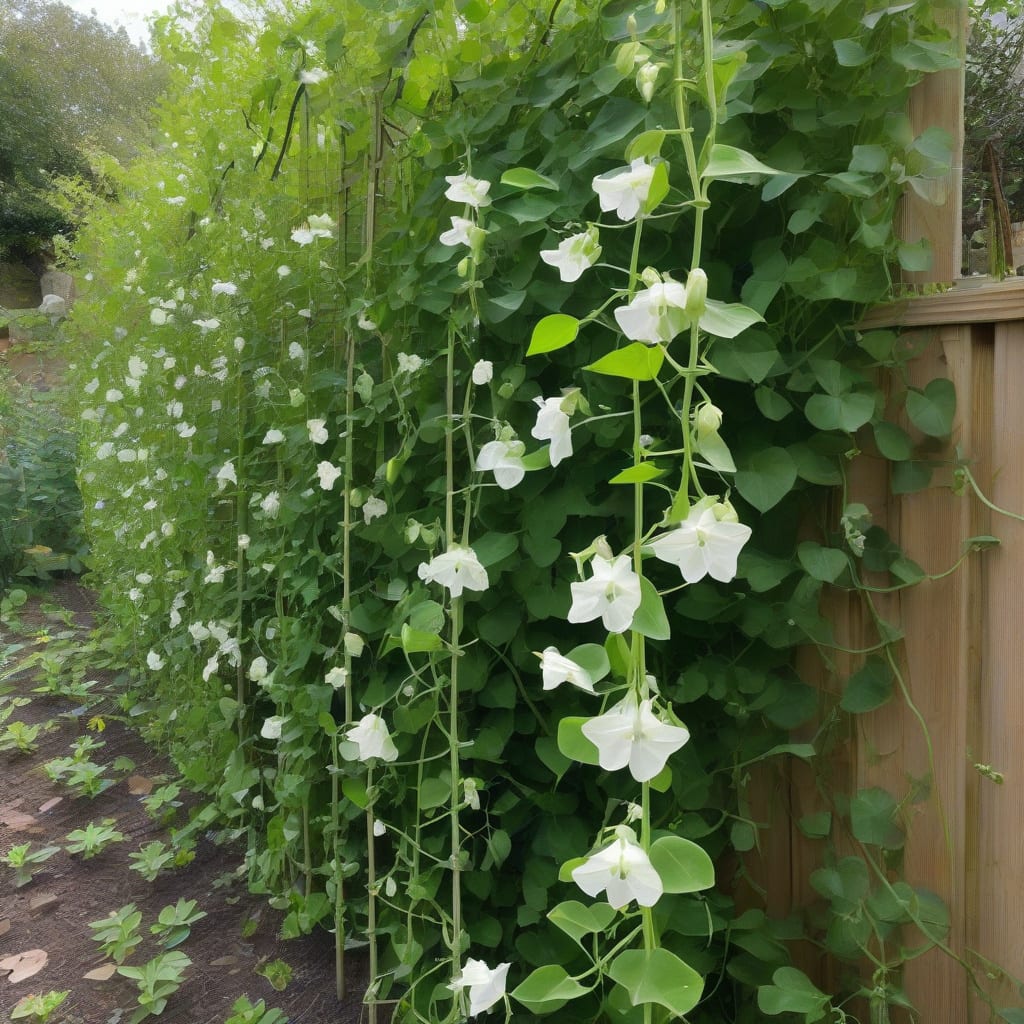
I’ve always been fascinated by how tall snow peas 🥒 can grow. These climbing vegetables can reach impressive heights, making them a great addition to any garden.
Understanding the growth habits of snow peas is crucial for maximizing your harvest. Let’s explore what affects their height and how to support them as they grow up to 6 feet tall in optimal conditions.


Snow peas are a popular garden vegetable known for their climbing growth habit and delicious flat pods. Understanding how tall they can grow is essential for proper garden planning and support.
Typically, snow peas can grow between 2 to 6 feet tall, depending on the variety and growing conditions. Some compact varieties may reach only 2-3 feet, while others can climb up to 6 feet or more with proper support.
The height of snow peas is influenced by several factors including variety selection, growing conditions, and support systems. Some varieties are naturally more compact, while others are bred for their vigorous climbing ability.
To maximize height, snow peas require full sun and well-draining soil. They thrive in cooler temperatures, making them ideal for spring or fall cultivation. Proper spacing is also crucial – plants should be spaced about 2-3 inches apart to allow for good air circulation and growth.
When planting snow peas, it’s essential to provide them with a sturdy support system early in their growth. This can be in the form of a trellis, fence, or pea stakes. The support helps the plants climb and reach their maximum height potential.
Regular watering and fertilization also play a role in promoting healthy growth. Snow peas prefer consistent moisture, especially during flowering and pod formation. A balanced fertilizer applied at planting and during the growing season can provide necessary nutrients for optimal growth.
It’s worth noting that snow peas are a cool-season crop, thriving in temperatures between 55-75°F (13-24°C). Temperatures that are too high can lead to reduced growth and poor pod production.
By understanding these growth habits and providing the right conditions, gardeners can enjoy a bountiful harvest of delicious snow peas. Whether you’re growing them on a trellis or using vertical gardening techniques, snow peas can be a rewarding addition to any garden.
For gardeners looking to maximize their yield, consider succession planting. Sowing seeds every 2-3 weeks can provide a continuous harvest throughout the growing season.
In conclusion, snow peas are a versatile and productive garden vegetable that can add both beauty and bounty to your garden. With proper care and support, they can reach their full height potential and provide a delicious harvest.
By following these guidelines and understanding the growth habits of snow peas, gardeners can enjoy a successful and productive growing season. Happy gardening! 🌼
I’ve found that providing proper support for snow peas is crucial for maximizing their height and yield. These climbing plants need something to grab onto as they grow up to 6 feet tall.
One effective way to support snow peas is by using a trellis. You can create a simple trellis using wooden stakes and twine, or purchase a pre-made one from a gardening store. Place the trellis near your snow pea plants and gently guide the vines onto it as they grow 🌿.
In addition to providing physical support, it’s essential to plant snow peas in well-draining soil and ensure they receive adequate sunlight. Snow peas thrive in full sun and cooler temperatures, making them ideal for spring or fall cultivation.
To further maximize yield, consider succession planting. Sowing seeds every 2-3 weeks can provide a continuous harvest throughout the growing season. By combining proper support with good gardening practices, you can enjoy a bountiful harvest of delicious snow peas 🌼.
Regular watering and fertilization also play a crucial role in promoting healthy growth. Snow peas prefer consistent moisture, especially during flowering and pod formation. A balanced fertilizer applied at planting and during the growing season can provide necessary nutrients for optimal growth.
By following these guidelines and providing the right conditions, gardeners can enjoy a successful and productive growing season. Happy gardening! 🌱
Snow pea plant height is influenced by several key factors that gardeners should consider to maximize their harvest. Understanding these factors helps in creating optimal growing conditions for these climbing vegetables.
Snow peas can grow up to 6 feet tall in ideal conditions with proper support and care.
The variety of snow pea chosen significantly impacts its potential height. Some varieties are naturally more compact, growing between 2-3 feet tall, while others are bred for their vigorous climbing ability and can reach 6 feet or more.
Growing conditions also play a crucial role in determining snow pea height. These plants thrive in cooler temperatures, typically between 55-75°F (13-24°C). Temperatures that are too high can lead to reduced growth and poor pod production.
Soil quality is another important factor. Snow peas prefer well-draining soil rich in organic matter. Ensuring the soil is fertile and has good drainage can promote healthy growth and maximize height.
Support systems are essential for climbing varieties. Providing a sturdy trellis or other support early in the plant’s growth allows it to climb and reach its maximum height potential.
By understanding and optimizing these factors, gardeners can create ideal conditions for their snow peas to grow tall and produce a bountiful harvest 🌼.
