
Beautiful Plants For Your Interior
Beautiful Plants For Your Interior
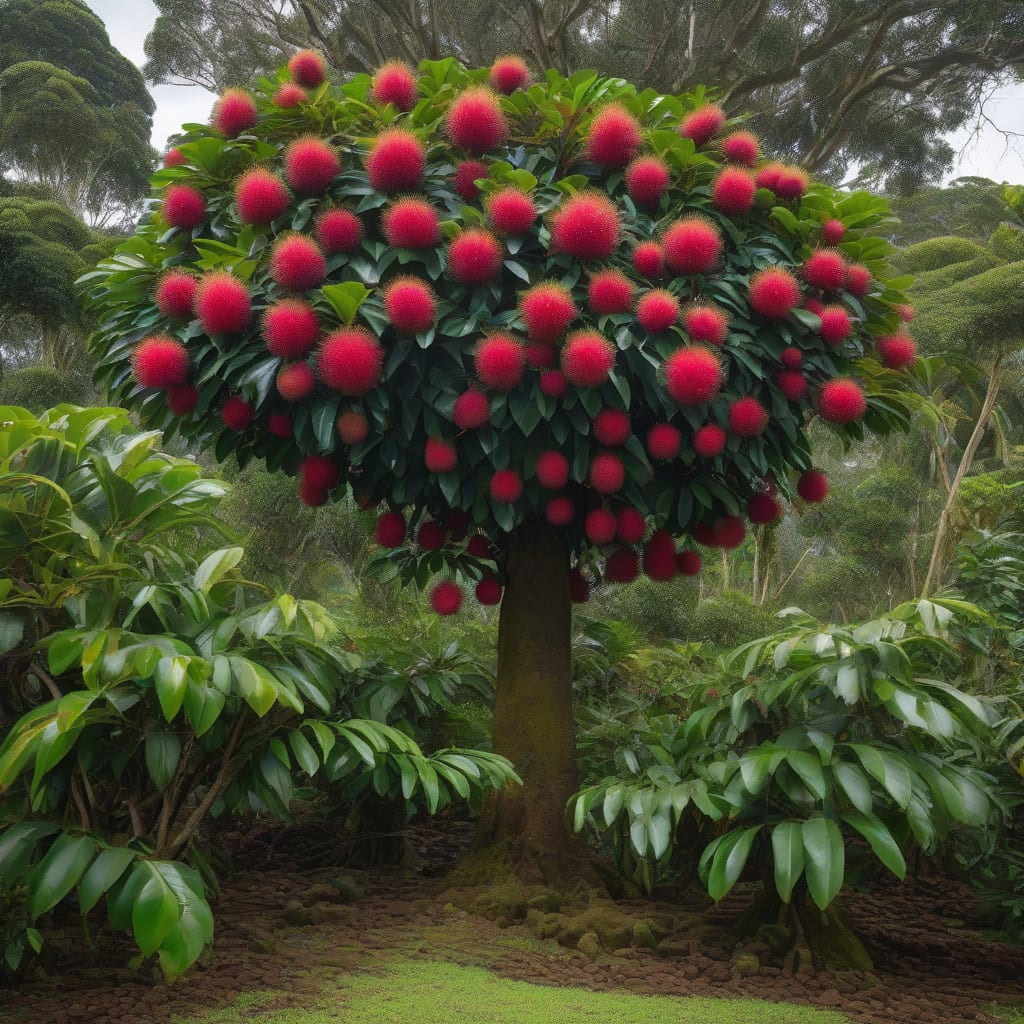
I’ve always been fascinated by the Rambutan Tree 🌳, known for its exotic fruit and tropical charm. Growing in USDA Zone 11, these trees can become stunning additions to any garden or landscape.
Understanding their growth potential is crucial for proper planning – after all, they can grow between 50-80 feet tall! Let’s explore what influences their height and how to manage their growth effectively in your tropical garden.


When considering how tall rambutan trees can grow, it’s essential to understand the various factors that influence their height. These factors can be broadly categorized into climatic conditions, soil quality, and cultivation practices. 🌳
The climate plays a crucial role in determining the height of rambutan trees. These trees thrive in tropical climates with high humidity and temperatures between 75°F to 85°F (24°C to 30°C). In regions with consistent rainfall and adequate sunlight, rambutan trees can reach their maximum potential height.
Rambutan trees are known for their impressive height, which can range from 50 to 80 feet under optimal conditions. This makes them one of the taller fruit trees in tropical landscapes 🌳.
The average mature height of a rambutan tree typically falls between 60 to 70 feet, with some exceptional specimens reaching heights of over 80 feet. Factors such as soil quality, climate, and cultivation practices play a significant role in determining the tree’s ultimate height.
Rambutan trees typically grow 3-5 feet per year during their initial growth phase, slowing down as they mature.
Some exceptional rambutan trees have been known to reach heights of over 80 feet in ideal conditions.
Climate, soil quality, and cultivation practices all impact the ultimate height of rambutan trees.
Understanding the growth patterns and potential maximum height of rambutan trees is essential for garden planning and management 🌟.
By recognizing the factors that influence their height, you can better care for your rambutan tree and ensure it reaches its full potential in your garden 🌱.
The height of rambutan trees not only affects their fruit production but also their overall landscape presence, making them a striking feature in any tropical garden 🌴.
For gardeners looking to cultivate rambutan trees, understanding their growth habits is key to providing the right conditions for optimal development 🌿.
To maintain the ideal height of your rambutan tree, regular pruning is essential. Pruning helps control the tree’s height and promotes a stronger structure. I recommend pruning your rambutan tree annually to remove any dead or damaged branches 🌳.
Prune your rambutan tree during its dormant season to minimize stress and promote healthy growth.
Pruning techniques can vary depending on your desired outcome. For height control, focus on removing the upper branches to maintain a desired height. This also helps in promoting a more balanced structure 🌟.
Fertilization is another critical aspect of maintaining your rambutan tree’s health and controlling its height. Use a balanced fertilizer during the growing season to support overall growth 🌱.
Monitoring your tree’s response to pruning and fertilization is crucial. Adjust your care practices based on the tree’s health and growth patterns to achieve the best results 🌿.
By combining regular pruning with proper fertilization and care, you can effectively manage the height of your rambutan tree and enjoy its benefits for years to come 🌴.
For more detailed guidance on pruning and maintaining rambutan trees, consider consulting with a local horticulturist or gardening expert 🌼.
