
Beautiful Plants For Your Interior
Beautiful Plants For Your Interior
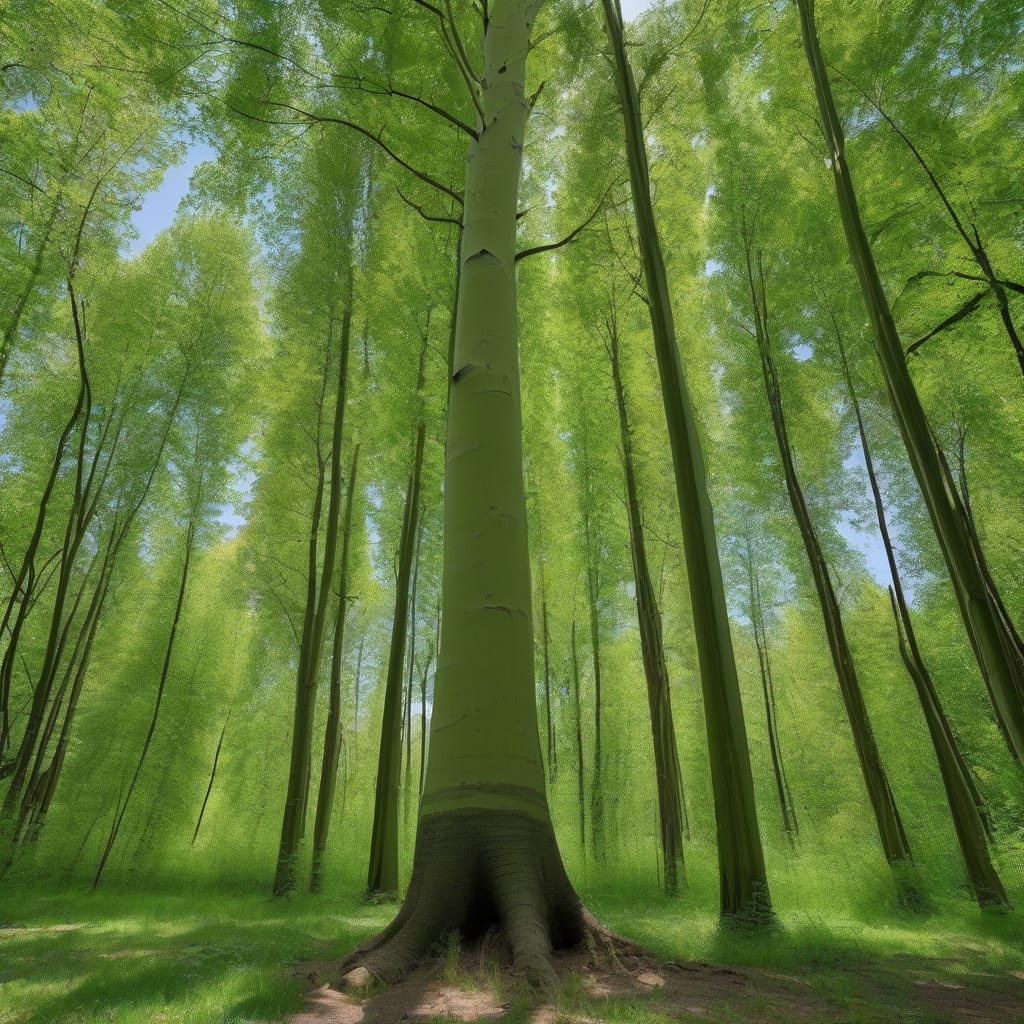
I’ve always been fascinated by the impressive height of Poplar Trees 🌳. These trees can grow to be quite tall, making them a striking addition to any landscape. But just how tall can they get?
Poplar Trees are known for their rapid growth and can reach heights of 50-100 feet or more in ideal conditions. Let’s explore what factors influence their growth and how you can encourage your Poplar Tree to reach its full potential.
I’ve always been fascinated by the variety of Poplar Tree species and their impressive heights 🌳. Different species can grow to varying heights, making some more suitable for certain landscapes than others. Let’s explore the maximum heights of different Poplar Tree species.
The height of Poplar Trees can vary significantly depending on the species. Some species are naturally taller than others, and factors like soil quality and climate can also impact their growth.
The Black Poplar is known for its tall, straight trunk and can grow up to 100 feet in ideal conditions. The White Poplar, on the other hand, tends to be slightly shorter, reaching heights of 50-80 feet. Hybrid Poplars are often the tallest, with some species growing over 150 feet tall.
When selecting a Poplar Tree species, it’s important to consider the maximum height it can achieve. This will help you plan your landscape effectively and ensure that the tree has enough space to grow.
Poplar Trees are not only valued for their height but also for their rapid growth rate. They can add significant vertical interest to a landscape in a relatively short period.
The growth habits of Poplar Trees make them a popular choice for timber production and landscaping. Their tall, straight trunks are ideal for creating a dramatic effect or providing shade.
Understanding the maximum height of different Poplar Tree species is crucial for making informed decisions about which tree to plant. Whether you’re looking for a tall, majestic tree or a slightly shorter variety, there’s a Poplar Tree that can meet your needs 🌲.
By considering the height potential of different Poplar Tree species, you can create a more effective landscape plan. This ensures that your trees have the space they need to thrive and reach their full potential.
Poplar Trees are a versatile and attractive option for many landscapes. Their impressive heights and rapid growth make them a popular choice among gardeners and landscapers alike.
In conclusion, the height of Poplar Trees can vary significantly depending on the species and growing conditions. By understanding these factors, you can make informed decisions about which tree to plant and how to care for it.
I’ve found that the height of Poplar Trees is influenced by several key factors 🌳. Understanding these factors can help you create optimal growing conditions for your trees. Let’s explore the main influences on Poplar Tree height.
The growth height of Poplar Trees is affected by both environmental and genetic factors. These factors can either promote or limit the tree’s potential height.
The height of Poplar Trees is influenced by factors such as soil quality, climate, and genetics. Understanding these factors can help you optimize growing conditions for your trees.
Soil quality plays a significant role in determining the height of Poplar Trees. Trees growing in well-draining, nutrient-rich soil tend to grow taller than those in poor soil conditions.
Climate is another crucial factor affecting Poplar Tree height. Trees grown in temperate climates with adequate moisture tend to grow more vigorously than those in extreme climates.
Genetics also play a significant role in determining the maximum height of Poplar Trees. Different species have varying growth potentials, and even within the same species, individual trees can exhibit different growth characteristics.
By understanding these factors, you can make informed decisions about how to care for your Poplar Trees and help them reach their full potential height.
Proper care and management can significantly impact the height and overall health of your Poplar Trees. This includes providing optimal growing conditions and regular maintenance.
In my experience, Poplar Trees are highly responsive to their environment. By optimizing factors like soil quality and climate, you can promote healthy growth and maximize their height potential.
Overall, the height of Poplar Trees is influenced by a combination of environmental and genetic factors. By understanding and managing these factors, you can help your trees thrive and reach their full potential 🌲.
I understand that managing the height of Poplar Trees is crucial for both landscaping and timber production 🌳. To achieve the desired height and shape, it’s essential to employ effective management techniques. Let’s explore some practical tips for controlling the height of Poplar Trees.
Pruning is a critical technique for managing the height of Poplar Trees. Regular pruning helps maintain the tree’s shape and promotes healthy growth. By removing select branches, you can control the tree’s height and encourage a more balanced structure.
Prune your Poplar Trees during the dormant season to minimize stress and promote healthy regrowth.
Planting density is another factor to consider when managing Poplar Tree height. Planting trees at a higher density can lead to taller, straighter trunks as they compete for light. However, this method requires careful planning and management to avoid overcrowding.
Species selection plays a significant role in determining the potential height of Poplar Trees. Choosing a species that naturally grows to the desired height can simplify management. For example, Hybrid Poplars are known for their rapid growth and tall stature.
By combining these techniques—pruning, planting density, and species selection—you can effectively manage the height of your Poplar Trees. This not only enhances their aesthetic appeal but also optimizes their value for timber production.
In my experience, regular maintenance is key to achieving the desired height and shape in Poplar Trees. By staying on top of pruning and monitoring planting density, you can ensure your trees remain healthy and productive 🌲.

