
Beautiful Plants For Your Interior
Beautiful Plants For Your Interior
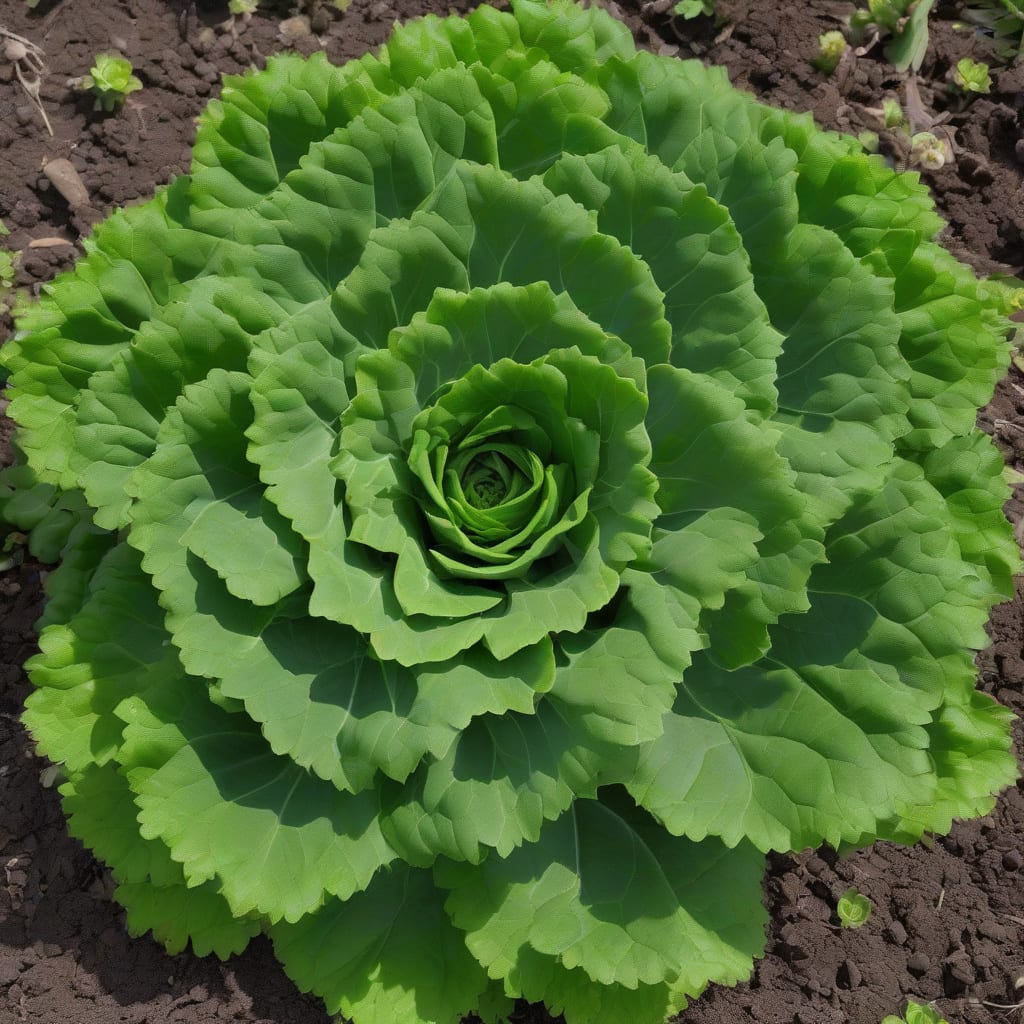
I’ve grown Romaine Lettuce 🥗 in my garden for years, and understanding its growth patterns has been key to a bountiful harvest. Typically, it reaches 1-2 feet tall, making it a great addition to any garden bed.
To achieve optimal growth, I’ll share expert tips on ideal growing conditions and how to maximize its height. Whether you’re a seasoned gardener or just starting out, you’ll learn how to grow delicious Romaine Lettuce in USDA Zone 6.

Romaine lettuce is a popular garden crop that typically grows between 1-2 feet tall. The exact height can vary depending on factors such as soil quality, sunlight, and watering conditions. In ideal conditions, romaine lettuce can reach its full height potential.
To better understand the growth characteristics of romaine lettuce, let’s examine some key facts about its development. The plant’s height is influenced by various factors, including soil quality, sunlight exposure, and watering practices.
The growth height of romaine lettuce is an important consideration for gardeners, as it affects both the yield and the ease of harvesting. Understanding the factors that influence its height can help gardeners optimize their growing conditions.
One key factor is soil quality. Romaine lettuce prefers well-draining, fertile soil with a balanced nutrient profile. Soil pH between 6.0.5 and 7.0 is ideal. If the soil is too dense or lacking in nutrients, the lettuce may not grow as tall or healthy.
Nutrient deficiencies can particularly impact romaine lettuce growth. For example, a lack of nitrogen can limit leaf development, while insufficient potassium can affect root health. Regular soil testing can help identify these issues.
In addition to soil quality, sunlight exposure plays a crucial role in determining the height of romaine lettuce. While it can tolerate some shade, romaine lettuce generally requires 4-6 hours of direct sunlight per day to grow well.
Watering practices are also vital. Romaine lettuce needs consistent moisture, especially when it’s producing leaves. However, overwatering can be detrimental, leading to root rot and other problems. Gardeners should aim for a balance, keeping the soil moist but not waterlogged.
Temperature is another critical factor. Romaine lettuce prefers cooler temperatures, typically between 40°F and 70°F (4°C and 21°C). High temperatures can cause the plant to bolt, or go to seed, which reduces its height and quality.
By understanding these factors and optimizing growing conditions, gardeners can help their romaine lettuce reach its full potential height. Regular monitoring and adjustments to soil, sunlight, watering, and temperature can make a significant difference.
For gardeners looking to maximize their romaine lettuce growth, there are several expert tips to keep in mind. These include choosing the right variety, preparing the soil properly, and maintaining consistent care throughout the growing season.
By following these guidelines and being mindful of the factors that influence romaine lettuce height, gardeners can enjoy a bountiful harvest of delicious, crisp leaves. Whether you’re growing romaine lettuce for salads or other culinary uses, understanding its growth patterns is key to success.
In conclusion, romaine lettuce typically grows between 1-2 feet tall, with factors like soil quality, sunlight, watering, and temperature influencing its height. By optimizing these conditions and following expert tips, gardeners can achieve optimal growth and enjoy a healthy harvest. 🌱
Romaine lettuce growth is influenced by several critical factors that gardeners must consider to achieve optimal height and quality. The soil quality plays a crucial role in determining the plant’s overall health and development.
To better understand these factors, let’s examine how different elements impact romaine lettuce growth. The right sunlight exposure is essential, as romaine lettuce requires 4-6 hours of direct sunlight daily for healthy development.
Romaine lettuce prefers cooler temperatures between 40°F and 70°F (4°C and 21°C) for optimal growth. Temperatures outside this range can cause bolting or reduced leaf quality.
Watering practices are equally important, as romaine lettuce needs consistent moisture to develop properly. Gardeners should maintain a balance between keeping the soil moist and avoiding waterlogging.
Nutrient management is another vital aspect. Romaine lettuce benefits from balanced fertilization with an NPK ratio of 10-10-10. Fertilizing every 2-3 weeks supports healthy leaf development.
The planting time also affects romaine lettuce growth. In USDA Zone 6, the ideal planting windows are early spring or late summer, avoiding extreme temperatures.
By understanding and managing these factors effectively, gardeners can create optimal growing conditions for their romaine lettuce. This comprehensive approach ensures the plants reach their full height potential and produce high-quality leaves.
Regular monitoring of the plants’ response to these factors allows gardeners to make necessary adjustments. This might include adjusting watering schedules based on weather conditions or providing additional shade during periods of intense sunlight.
With careful attention to these details, gardeners can enjoy a bountiful harvest of delicious, crisp romaine lettuce leaves that are perfect for various culinary uses. The result is a rewarding gardening experience with fresh, healthy produce 🌿.
To maximize romaine lettuce growth, I’ve found that proper soil preparation is crucial. Ensuring the soil is well-draining and fertile with a pH between 6.0 and 7.0 creates an ideal environment for the plants to thrive.
Select romaine lettuce varieties that are known for their growth characteristics and resistance to bolting. This helps ensure a healthy harvest.
Keep the soil consistently moist but not waterlogged. This promotes healthy root development and leaf growth.
Ensure romaine lettuce receives 4-6 hours of direct sunlight daily. This supports healthy leaf development and maximizes growth.
By following these expert tips, gardeners can optimize their romaine lettuce growth and enjoy a bountiful harvest of delicious, crisp leaves. Whether you’re growing romaine lettuce for salads or other culinary uses, these guidelines will help you achieve success. 🌿
Romaine lettuce is a versatile crop that can be grown in various conditions, but following these tips will ensure you get the most out of your plants. With proper care and attention, you can enjoy a healthy and productive harvest.
In conclusion, maximizing romaine lettuce growth requires attention to detail and a commitment to providing optimal growing conditions. By implementing these expert tips, you can enjoy a successful harvest and make the most of your gardening efforts. 🌱
