
Beautiful Plants For Your Interior
Beautiful Plants For Your Interior
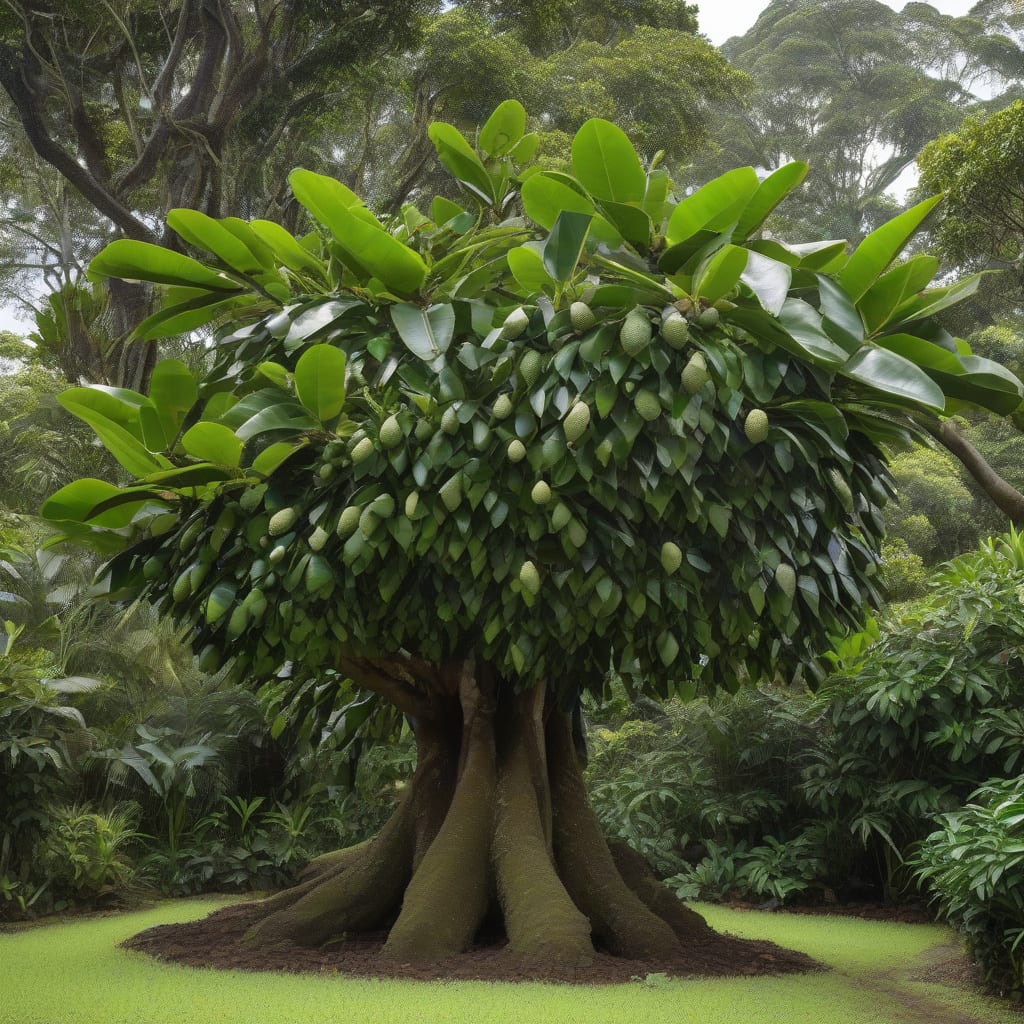
When I first planted my Soursop Tree 🌴, I wondered how tall it would grow. Understanding the growth potential of these trees is crucial for proper garden planning.
Soursop trees can reach heights of 20-30 feet, making them a substantial addition to any landscape. Factors like soil quality and pruning practices can influence their ultimate height.


Soursop trees are known for their impressive growth and can reach heights of 20-30 feet under optimal conditions. The height potential of these trees is influenced by various factors including soil quality, climate, and pruning practices 🌴.
Understanding the growth habits of soursop trees is essential for gardeners to plan their landscape effectively. These trees can grow quite tall, making them a significant addition to any garden or landscape.
The growth rate of soursop trees is generally considered moderate to fast, especially during their early years. In the first year, they can grow 6-10 feet, establishing a strong foundation for future development.
Several factors can influence the height of soursop trees, including soil quality, climate conditions, and pruning practices. Providing optimal growing conditions is crucial for maximizing their height potential.
Soil quality plays a significant role in soursop tree growth. These trees thrive in well-draining soil rich in organic matter. Proper soil preparation can significantly impact their overall height and health.
Climate conditions also affect soursop tree growth. They prefer full sun and warm temperatures, typically found in USDA zones 10-12. Adequate sunlight is essential for optimal growth and fruit production.
In addition to environmental factors, pruning practices can significantly influence the height and shape of soursop trees. Regular pruning helps maintain a manageable size while promoting healthy growth.
Soursop trees can continue to grow throughout their lifespan, although their growth rate slows down as they mature. Proper care and maintenance are essential for ensuring they reach their full height potential.
By understanding the growth characteristics of soursop trees and providing optimal growing conditions, gardeners can cultivate these trees effectively and enjoy their delicious fruit for years to come 🌿.
Regular monitoring and appropriate care will help ensure that soursop trees remain healthy and productive throughout their lifespan.
With proper planning and maintenance, soursop trees can become a valuable and fruitful addition to any tropical or subtropical garden.
Pruning is a crucial technique for managing the height of soursop trees while promoting healthy growth and maintaining a manageable size for harvesting and garden maintenance. I recommend pruning your soursop tree regularly to keep it at a desirable height 🌳.
Effective pruning involves removing dead or diseased branches, thinning out crowded areas, and shaping the tree to maintain its desired height. By pruning your soursop tree, you can control its height and promote better fruit production.
Start by removing any dead or diseased branches to prevent the spread of disease and encourage healthy growth.
Thin out crowded areas to allow more sunlight to reach the inner branches and promote air circulation.
Shape the tree to maintain its desired height and promote a balanced structure.
By following these pruning techniques, you can effectively manage the height of your soursop tree and promote healthy growth. Regular pruning is essential for maintaining a manageable size and ensuring optimal fruit production.
Pruning frequency depends on the age and growth rate of your soursop tree. For young trees, annual pruning is recommended to establish a strong structure. For mature trees, pruning every 2-3 years may be sufficient to maintain their shape and promote fruiting.
When pruning,
By incorporating these pruning techniques into your soursop tree care routine, you can enjoy a manageable and productive tree that provides delicious fruit for years to come 🌴.
Regular pruning not only helps control the height of your soursop tree but also promotes overall tree health and fruit production. With proper care and maintenance, your soursop tree will continue to thrive and provide you with a bountiful harvest.
By understanding and applying these pruning techniques, you can ensure that your soursop tree remains a valuable and fruitful addition to your garden or landscape.
To maximize the growth of soursop trees, understanding the right soil and environmental conditions is crucial. Soursop trees thrive in well-draining soil rich in organic matter, which significantly impacts their overall height and health 🌿.
Soil quality plays a vital role in the development of soursop trees. Ensuring the soil is fertile and has good drainage is essential for promoting healthy growth. I recommend testing your soil to determine its nutrient content and pH level.
For optimal growth, mix compost or well-rotted manure into the soil before planting your soursop tree. This enhances soil fertility and drainage, supporting healthy root development.
Environmental conditions are equally important for soursop tree growth. These trees prefer full sun and warm temperatures, typically found in USDA zones 10-12. Adequate sunlight is essential for optimal growth and fruit production ☀️.
In addition to soil and sunlight, watering practices significantly influence soursop tree growth. Consistent moisture, especially during the fruiting stage, is crucial. However, avoid waterlogging, which can lead to root rot.
By understanding and providing the right soil and environmental conditions, you can maximize the growth of your soursop tree. Proper care and maintenance will ensure your tree remains healthy and productive throughout its lifespan 🌴.
Regular monitoring of your tree’s health and adjusting your care practices accordingly will help you achieve the best possible growth and fruit production.
