
Beautiful Plants For Your Interior
Beautiful Plants For Your Interior
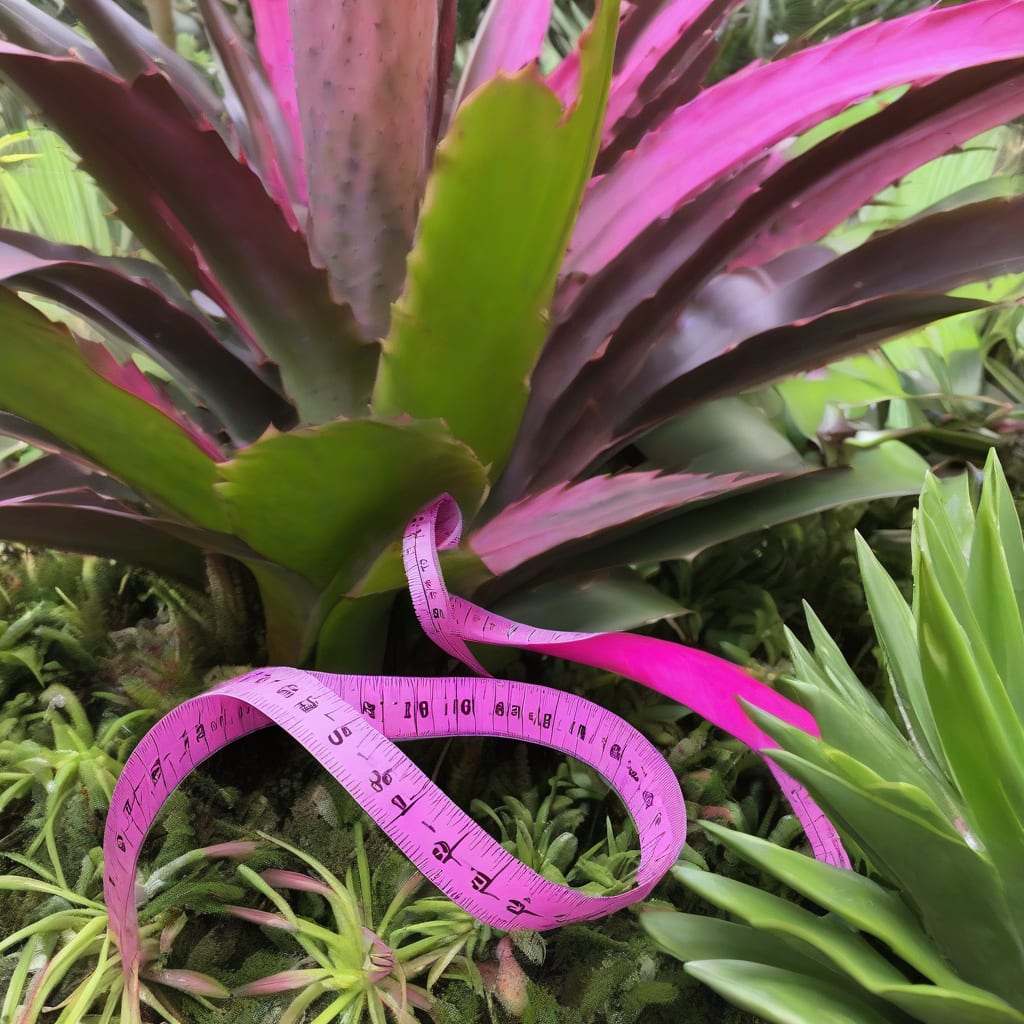
I’ve always been fascinated by Bromeliads 🌺 and their unique growth patterns. These stunning tropical plants can add a pop of color to any space, but their height potential varies greatly depending on the species and growing conditions.
Understanding how tall Bromeliads can grow is crucial for proper garden planning, especially in USDA Zone 9b where they thrive year-round. Let’s explore the factors that influence their height and how to optimize their growth.


Bromeliads are fascinating plants with diverse growth habits and varying height potentials. The height of these tropical plants can range from 1 to 6 feet, depending on the species and growing conditions 🌺.
Understanding the factors that influence bromeliad height is essential for gardeners to plan their space effectively. Let’s explore the key elements that affect their growth and maximum achievable height.
The species variation plays a significant role in determining the height of bromeliads. Some species, like Aechmea and Guzmania, are naturally more compact, while others, such as Tillandsia and Vriesea, can grow taller.
Growing conditions are another crucial factor. Bromeliads thriving in optimal light, water, and nutrient conditions are likely to reach their maximum height potential. For instance, bright indirect light and consistent moisture can promote healthy growth 🌿.
The container size also impacts bromeliad height. A larger pot with well-draining soil can support more extensive root development, potentially leading to taller plants. Conversely, a smaller container may limit the plant’s growth.
In USDA Zone 9b, where bromeliads can be grown year-round, gardeners can experiment with different species and growing conditions to achieve the desired height.
By understanding these factors and optimizing growing conditions, gardeners can help their bromeliads reach their full height potential and enjoy their vibrant colors and unique growth habits.
Bromeliads are not only beautiful but also relatively low-maintenance plants. With proper care, they can thrive and add a touch of tropical elegance to any garden or indoor space 🌼.
In summary, the height of bromeliads is influenced by a combination of species variation, growing conditions, and container size. By understanding and managing these factors, gardeners can promote healthy growth and maximize their bromeliads’ height potential.
Whether you’re a seasoned gardener or a beginner, bromeliads are an excellent choice for adding some tropical flair to your garden or indoor space. Their unique growth habits and vibrant colors make them a fascinating addition to any plant collection.
As we continue to explore the world of bromeliads, we’ll delve into the specific factors that affect their height and provide practical tips for managing their growth.
Bromeliads are fascinating plants that require specific conditions to reach their full height potential. The height of these tropical plants is influenced by various factors, including light, water, and nutrients 🌿.
Understanding how these factors impact bromeliad growth is crucial for gardeners to optimize their care and achieve the desired height. Let’s explore the key elements that affect bromeliad height and provide practical tips for managing their growth.
Bromeliad height is influenced by light intensity, watering frequency, and nutrient availability. Optimizing these factors can help plants reach their maximum height potential.
Light is a critical factor in determining bromeliad height. Most species prefer bright indirect light, which promotes healthy growth and development. In USDA Zone 9b, where bromeliads can be grown year-round, providing the right light conditions is essential.
Watering is another crucial element that affects bromeliad height. These plants require consistent moisture, especially during the growing season. Watering frequency should be adjusted according to the plant’s needs and environmental conditions 💧.
Nutrients also play a significant role in bromeliad growth. A balanced fertilizer with a ratio of 20-20-20 can provide the necessary nutrients for healthy development. Fertilizing during the growing season can promote vigorous growth and help plants reach their maximum height potential 🌼.
By understanding the impact of light, water, and nutrients on bromeliad height, gardeners can create optimal growing conditions for their plants. This knowledge can help gardeners make informed decisions about the care and maintenance of their bromeliads.
In conclusion, managing the factors that affect bromeliad height is crucial for achieving the desired growth and maximizing their height potential. By providing the right conditions and care, gardeners can enjoy the beauty and uniqueness of these tropical plants.
As we continue to explore the world of bromeliads, we’ll delve into practical tips for managing their height and promoting healthy growth.
I find that managing bromeliad height is crucial for maintaining their aesthetic appeal and promoting healthy growth. By understanding the right pruning and support techniques, gardeners can control the size of their bromeliads and encourage optimal development 🌺.
Pruning is an essential aspect of bromeliad care, as it helps maintain the plant’s shape and promotes new growth. Let’s explore some practical tips for pruning and supporting bromeliads to achieve the desired height.
Remove old or damaged leaves to maintain plant appearance and promote healthy growth.
Pruning Techniques are vital for controlling bromeliad height. By removing old or damaged leaves, gardeners can maintain the plant’s appearance and promote healthy growth. It’s essential to use clean and sharp pruning tools to prevent spreading diseases 🔪.
Support Systems can also be used to support taller bromeliad varieties. Providing stakes or trellises can help keep the plants upright and encourage vertical growth. This is particularly useful for species like Tillandsia and Vriesea 🌿.
In my experience, regular maintenance is key to managing bromeliad height effectively. By combining proper pruning techniques with support systems, gardeners can achieve the desired height and promote overall plant health 🌼.
By following these practical tips, gardeners can enjoy the beauty and uniqueness of their bromeliads while maintaining a balanced and thriving garden ecosystem 🌻.
