
Beautiful Plants For Your Interior
Beautiful Plants For Your Interior
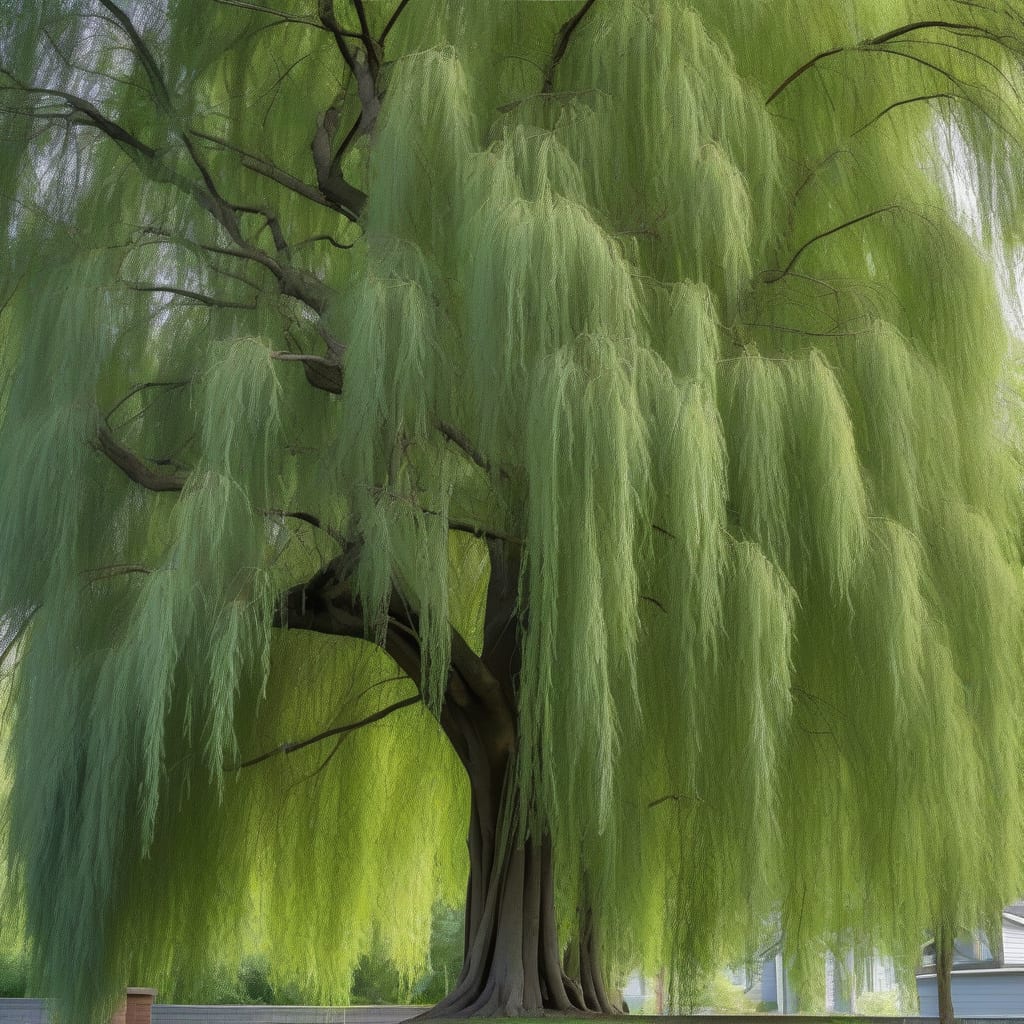
I’ve always been fascinated by the majestic Willow Tree 🌳, with its elegant branches and impressive growth potential. Whether you’re planting in USDA Zone 6 or elsewhere, understanding how tall these trees can grow is crucial for planning your landscape.
The height of a Willow Tree can vary significantly based on factors like soil quality, climate, and pruning practices. Let’s explore what you can expect from these beautiful trees.

3-6 ft

6-12 ft

10-20 ft

15-50 ft
When considering how tall willow trees can grow, it’s essential to understand the various factors that influence their height. Climate conditions, soil quality, and tree variety all play significant roles in determining the maximum height potential of willow trees.
The growth rate and ultimate height of willow trees are affected by their environment. For instance, willows growing in wet soil with ample moisture tend to grow more vigorously than those in drier conditions. The specific willow tree variety also impacts growth, with some species naturally growing taller than others 🌳.
The climate in which a willow tree grows significantly affects its height. Willow trees thrive in temperate climates with cold winters and warm summers. They tend to grow more slowly in extreme climates, whether very hot or very cold.
Soil quality is another critical factor. Willow trees prefer moist, well-drained soil and can tolerate a range of soil types, from sandy to clayey soils. However, nutrient-rich soil with good drainage supports the most vigorous growth.
The specific variety of willow tree also influences its height. Some species, like the Weeping Willow, can grow quite tall, while others, such as Dwarf Willows, remain smaller. Understanding the growth characteristics of the specific willow variety you’re planting is crucial for anticipating its height potential.
By considering these factors, you can better predict and manage the height of your willow trees, ensuring they thrive in your landscape or garden 🌿.
Willow trees are known for their rapid growth, especially when young. Annual growth rates can vary, but many willows can grow 3-6 feet per year under optimal conditions. This rapid growth contributes to their ability to reach significant heights over time.
Pruning practices also impact the height of willow trees. Regular pruning can help control the height and shape of the tree, encouraging a more compact or managed growth pattern. Pruning is typically done during the dormant season to minimize stress on the tree.
In summary, the height of willow trees is influenced by a combination of environmental factors and genetic predispositions. By understanding and managing these factors, you can cultivate healthy, thriving willow trees that enhance your landscape 🌳.
For more detailed information on managing willow tree height, including pruning techniques and tips for maintaining desired heights, continue reading the next section.
When exploring the height potential of willow trees, it’s essential to consider the various species within this category. Different willow tree varieties exhibit a wide range of growth patterns and maximum heights 🌳.
The height of willow trees can vary significantly based on their species. Some willow varieties are naturally taller, while others remain more compact. Understanding these differences is crucial for selecting the right tree for your landscape or garden.
The Weeping Willow is one of the most recognizable willow varieties, known for its graceful, drooping branches. It can grow to heights of 30-50 feet, making it a significant presence in any landscape 🌲.
In contrast, the Dwarf Willow is a much smaller variety, typically reaching heights of 6-15 feet. This compact growth makes it an excellent choice for smaller gardens or areas where a larger tree might be impractical 🌿.
Understanding the maximum height potential of different willow tree varieties allows you to make informed decisions when selecting trees for your landscape or garden. Whether you prefer the majestic height of a Weeping Willow or the compact size of a Dwarf Willow, there’s a willow variety to suit your needs.
For more information on managing willow tree height and pruning techniques, continue reading the next section.
When it comes to managing willow tree height for landscaping purposes, there are several key factors to consider. Pruning techniques, growth patterns, and maintenance strategies all play a crucial role in keeping your willow trees at the desired height 🌳.
Prune your willow trees during the dormant season to minimize stress and promote healthy growth. Remove any dead or damaged branches to maintain the tree’s overall health 🌲.
One of the most effective ways to manage willow tree height is through regular pruning. Pruning helps control the tree’s height and shape, encouraging a more compact growth pattern. It’s essential to prune willow trees during their dormant season, typically in late winter or early spring, to minimize stress on the tree 🌲.
Pruning techniques can vary depending on the desired outcome. For maintaining a specific height, it’s crucial to remove the tallest branches and shape the tree as needed. Regular pruning also promotes healthier growth by removing dead or damaged branches 🌿.
In addition to pruning, understanding the growth patterns of your willow trees is vital. Willow trees are known for their rapid growth, especially when young. By anticipating their growth rate, you can plan your pruning schedule accordingly to maintain the desired height 🌳.
Effective maintenance strategies also include monitoring the tree’s response to pruning and adjusting your techniques as necessary. This might involve more frequent pruning for faster-growing varieties or less frequent pruning for slower-growing ones 🌲.
By combining proper pruning techniques with an understanding of your willow tree’s growth patterns, you can successfully manage its height for landscaping purposes. This not only enhances the aesthetic appeal of your landscape but also ensures the health and longevity of your willow trees 🌳.
