
Beautiful Plants For Your Interior
Beautiful Plants For Your Interior
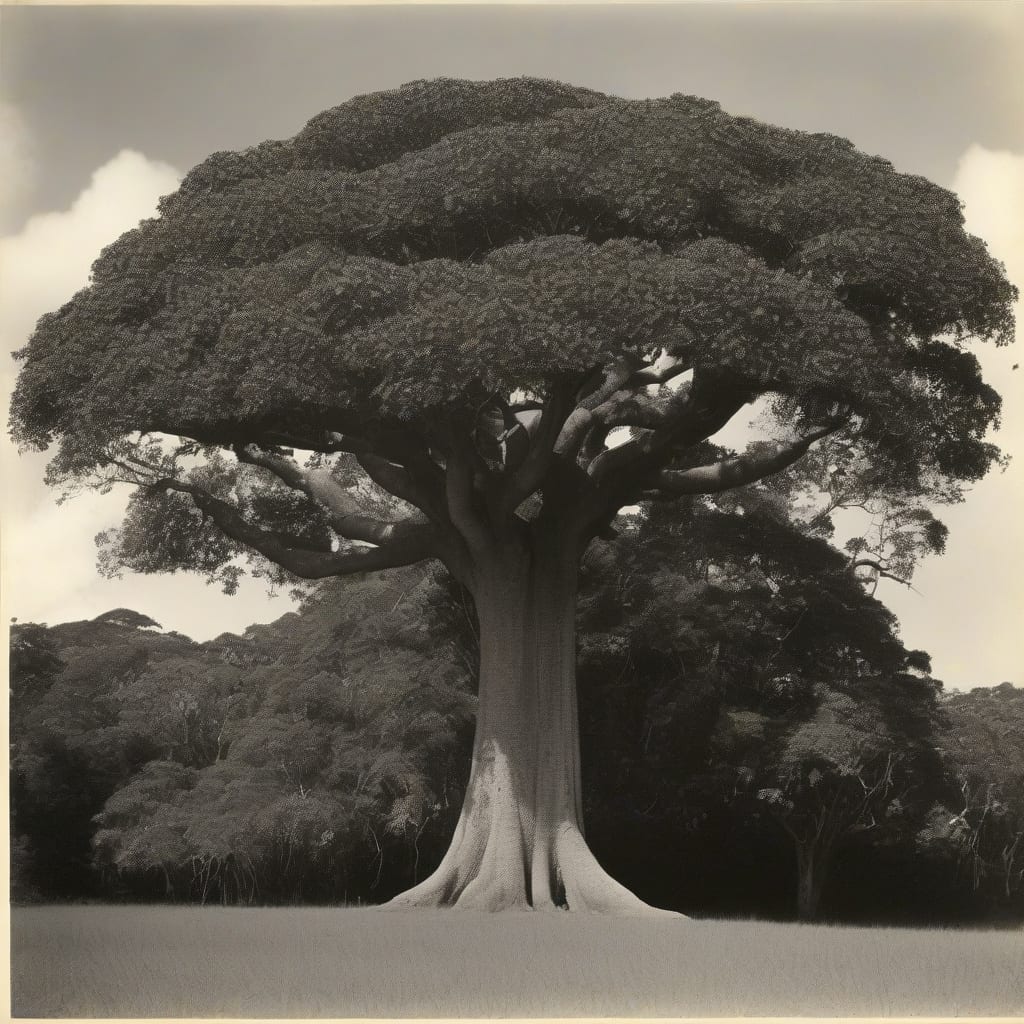
I’ve always been fascinated by the towering giants of the rainforest – the Rainforest Tree 🌳 can grow to incredible heights. Some species reach as high as 150 feet, creating a breathtaking canopy that shelters diverse ecosystems.
Let’s explore the factors that enable these trees to achieve such remarkable heights and what we can learn from their growth habits to cultivate them successfully.


Rainforest trees are known for their extraordinary heights, with some species reaching as high as 150 feet or more. The tallest trees in the rainforest are truly remarkable, creating a breathtaking canopy that shelters diverse ecosystems 🌳.
The height of rainforest trees is influenced by various factors, including the availability of light, water, and nutrients. In the dense rainforest environment, trees compete for resources, driving them to grow taller to reach the sunlight 🌟.
The tallest rainforest trees are often found in areas with high rainfall and nutrient-rich soil. These conditions support rapid growth and allow trees to reach exceptional heights 🏔️.
Some of the tallest tree species in the rainforest include the Kapok tree, Strangler Fig, and Ceiba tree. These trees have adapted to the rainforest environment in unique ways, enabling them to thrive and reach remarkable heights 🌲.
The Kapok tree is known for its ability to grow up to 200 feet tall. It has a distinctive trunk with a broad base and a narrow top, allowing it to reach high into the canopy 🌳.
The Strangler Fig is another notable species, known for its unique growth habit. It begins its life as an epiphyte, growing on another tree, and eventually strangles its host as it grows taller 🌱.
Rainforest trees have evolved complex root systems to support their massive size. Some species develop buttress roots, which provide stability and help to absorb nutrients from the soil 🌿.
The height of rainforest trees is not just a result of their genetic makeup but is also influenced by environmental factors. Climate change and deforestation can impact the growth and survival of these trees, highlighting the need for conservation efforts 🌟.
Understanding the growth habits of rainforest trees can provide valuable insights into how to cultivate them successfully. By replicating their natural environment and providing the right conditions, we can help these trees thrive in a garden setting 🌱.
Rainforest trees are not only remarkable for their height but also for their role in supporting biodiversity. They provide habitat for a wide range of plant and animal species, making them a crucial part of the ecosystem 🌿.
In conclusion, rainforest trees are truly remarkable for their ability to reach extraordinary heights. By understanding the factors that influence their growth, we can better appreciate these natural wonders and work to conserve them for future generations 🌳.
The growth of tall rainforest trees is influenced by a combination of environmental factors, including light availability, water supply, and soil quality. These factors work together to support the development of trees that can reach extraordinary heights 🌳.
In the rainforest, trees compete for resources, driving them to grow taller to reach the sunlight. The canopy is so dense that it filters out most of the sunlight, making it a competitive environment for trees to grow 🌟.
The main factors influencing the growth of tall rainforest trees include high rainfall, nutrient-rich soil, and adequate sunlight. These conditions support rapid growth and enable trees to reach exceptional heights.
Soil quality plays a crucial role in the growth of rainforest trees. Trees have evolved complex root systems to support their massive size, and nutrient-rich soil provides the necessary resources for growth 🌿.
Climate change and deforestation can impact the growth and survival of rainforest trees. Understanding these factors is essential for conservation efforts and for cultivating these trees in a garden setting 🌟.
By replicating the natural environment of rainforest trees and providing the right conditions, we can help these trees thrive. This includes ensuring adequate moisture, proper soil nutrients, and sufficient light 🌱.
Rainforest trees are not only remarkable for their height but also for their role in supporting biodiversity. They provide habitat for a wide range of plant and animal species, making them a crucial part of the ecosystem 🌿.
In conclusion, the growth of tall rainforest trees is influenced by a combination of environmental factors. By understanding these factors, we can better appreciate these natural wonders and work to conserve them for future generations 🌳.
Rainforests are home to some of the most impressive tree species on Earth, with heights that are truly remarkable 🌳. The tallest trees in these ecosystems can reach heights of over 150 feet, creating a breathtaking canopy that supports a wide range of plant and animal life.
Some of the most notable rainforest tree species include the Kapok tree, Strangler Fig, and Ceiba tree. These trees have evolved unique characteristics that enable them to thrive in the competitive rainforest environment 🌟.
The Kapok tree can grow up to 200 feet tall, making it one of the tallest trees in the rainforest. Its distinctive trunk has a broad base and a narrow top, allowing it to reach high into the canopy 🌳.
The Strangler Fig begins its life as an epiphyte, growing on another tree, and eventually strangles its host as it grows taller. This unique growth habit allows it to reach remarkable heights 🌱.
The Ceiba tree is another notable species, known for its impressive height and distinctive trunk. It can grow up to 150 feet tall, providing a habitat for a wide range of plant and animal species 🌲.
These tree species have adapted to the rainforest environment in unique ways, enabling them to thrive and reach remarkable heights. Understanding their growth habits can provide valuable insights into how to cultivate them successfully 🌱.
By replicating the natural environment of these trees and providing the right conditions, we can help them thrive in a garden setting. This includes ensuring adequate moisture, proper soil nutrients, and sufficient light 🌟.
In conclusion, the notable rainforest tree species are truly remarkable for their ability to reach extraordinary heights. By understanding their growth habits and characteristics, we can better appreciate these natural wonders and work to conserve them for future generations 🌳.
