
Beautiful Plants For Your Interior
Beautiful Plants For Your Interior
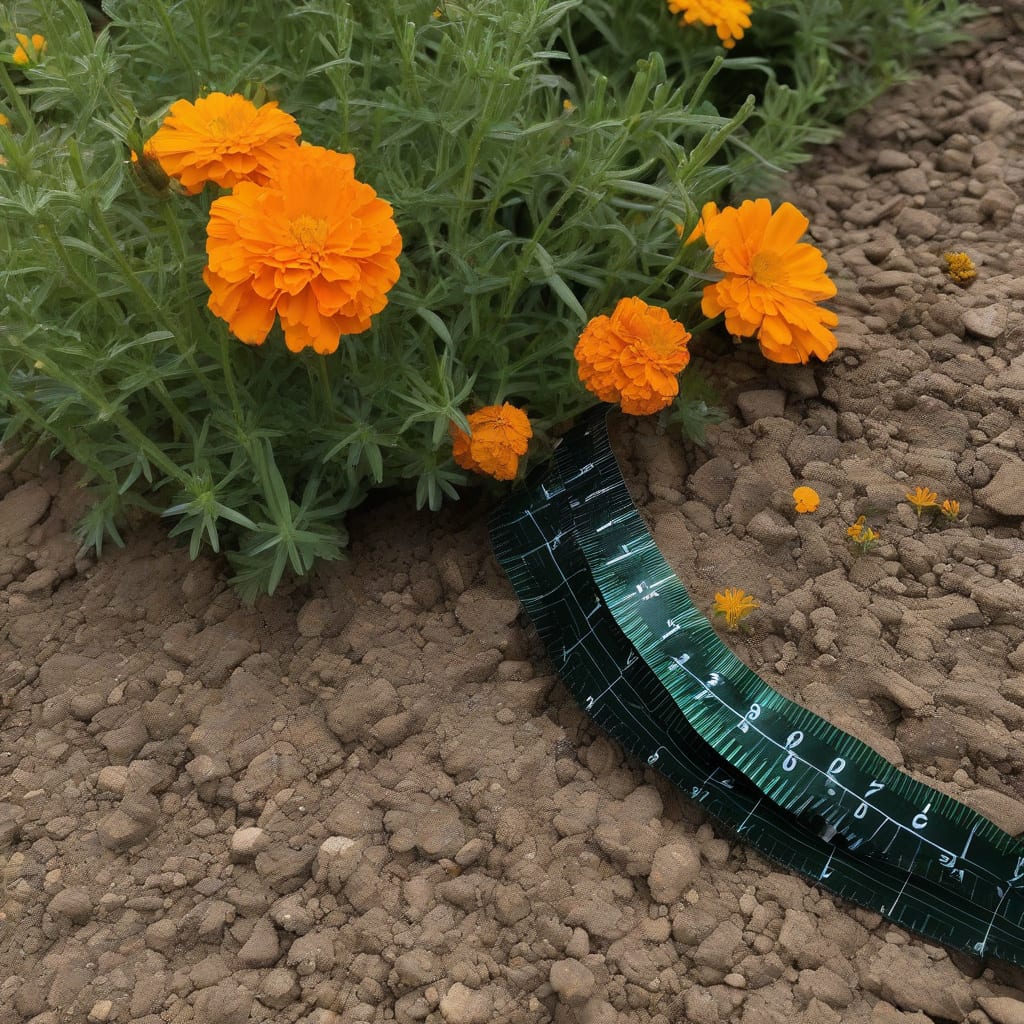
When planning your garden, understanding the growth habits of your plants is crucial. Marigold 💛 plants, known for their bright colors and easy maintenance, can add vibrancy to any garden bed.
So, how tall can you expect your marigolds to grow? The height varies based on factors like variety and growing conditions, typically ranging from 1 to 3 feet tall.


Understanding the factors that influence marigold plant height is crucial for garden planning. The height of marigold plants can vary significantly based on several key factors.
The variety of marigold is one of the primary factors affecting its height. Different types of marigolds have distinct growth habits, with some being naturally taller than others. For instance, African marigolds tend to be taller than French marigolds. The growing conditions, including sunlight, soil quality, and watering, also play a significant role in determining the height of marigold plants. 🌻
These factors work together to determine the final height of marigold plants in your garden. By understanding and optimizing these conditions, you can encourage your marigolds to reach their full height potential.
Marigold plants generally require full sun to thrive, needing at least 6 hours of direct sunlight daily. The soil should be well-draining, as marigolds are susceptible to root rot in soggy conditions. Watering should be done carefully, as these plants are relatively drought-tolerant but will perform best with consistent moisture.
By controlling these factors, gardeners can influence the height of their marigold plants effectively. Whether you’re growing African marigolds or French marigolds, understanding these elements will help you achieve the desired height in your garden.
The height range for marigold plants can vary significantly based on the variety and growing conditions. Most marigolds typically grow between 1 to 3 feet tall, with some compact varieties staying much shorter and certain taller types reaching beyond this range.
To maximize the height of your marigolds, ensure they receive adequate sunlight and are planted in well-draining soil. Regular watering and appropriate fertilization can also support vigorous growth, helping your marigolds reach their full height potential.
Overall, the height of marigold plants is a result of a combination of genetic predisposition and environmental factors. By optimizing these factors, you can enjoy marigolds that not only reach their expected height but also thrive in your garden.
Marigold plants come in various types, each with its own growth characteristics. The height of these plants can vary significantly based on the specific variety.
African marigolds are known for their robust growth and can reach heights of 2 to 3 feet. In contrast, French marigolds are generally more compact, typically growing to be around 1 to 2 feet tall. Signet marigolds are another variety that tends to be on the smaller side, usually reaching heights of 1 to 1.5 feet. 🌼
The height of marigold plants is not just determined by their variety; growing conditions also play a crucial role. Factors such as sunlight, soil quality, and watering practices can significantly impact how tall these plants will grow.
Sunlight is essential for marigolds, with most varieties requiring full sun to thrive. Soil that is well-draining and rich in nutrients will support healthier and potentially taller plants. Watering should be consistent but cautious, as overwatering can lead to root rot and stunt the plant’s growth.
By understanding the specific needs and characteristics of different marigold varieties, gardeners can make informed decisions about which types to plant and how to care for them.
For gardeners looking to add some height to their garden beds, African marigolds are an excellent choice due to their taller stature. On the other hand, French and signet marigolds are better suited for borders or containers where their compact size can be an advantage.
Regardless of the variety, marigolds are relatively easy to care for and can add a vibrant touch to any garden. Their bright colors and varying heights make them versatile for different garden designs.
In summary, the height of marigold plants varies by variety and growing conditions. By selecting the right type for your garden and providing appropriate care, you can enjoy these beautiful flowers at their full potential.
Managing the height of marigold plants is crucial for maintaining a visually appealing garden. By understanding how to control their height, you can ensure your marigolds complement your garden design.
One effective way to manage marigold height is through pruning. Regular pruning encourages bushy growth and prevents the plants from becoming too leggy. Pinching off the tips of young marigold plants can promote branching, resulting in a fuller plant that is less likely to grow too tall.
To keep marigolds compact, pinch off spent blooms regularly. This encourages more flowering and maintains plant shape.
Spacing is another critical factor in managing marigold height. Planting marigolds with adequate space between them allows for good air circulation, which can help prevent diseases that might stunt their growth. Proper spacing also ensures that each plant receives sufficient sunlight.
Watering and fertilization practices also play a role in managing marigold height. While marigolds are relatively drought-tolerant, consistent moisture promotes healthy growth. However, overwatering can lead to root rot and negatively impact plant height. Using a balanced fertilizer during the growing season can support vigorous growth, but avoid over-fertilizing, as this can lead to excessive foliage at the expense of flowers.
By implementing these strategies, you can effectively manage the height of your marigold plants, ensuring they remain healthy and visually appealing throughout the growing season 🌼.
