
Beautiful Plants For Your Interior
Beautiful Plants For Your Interior
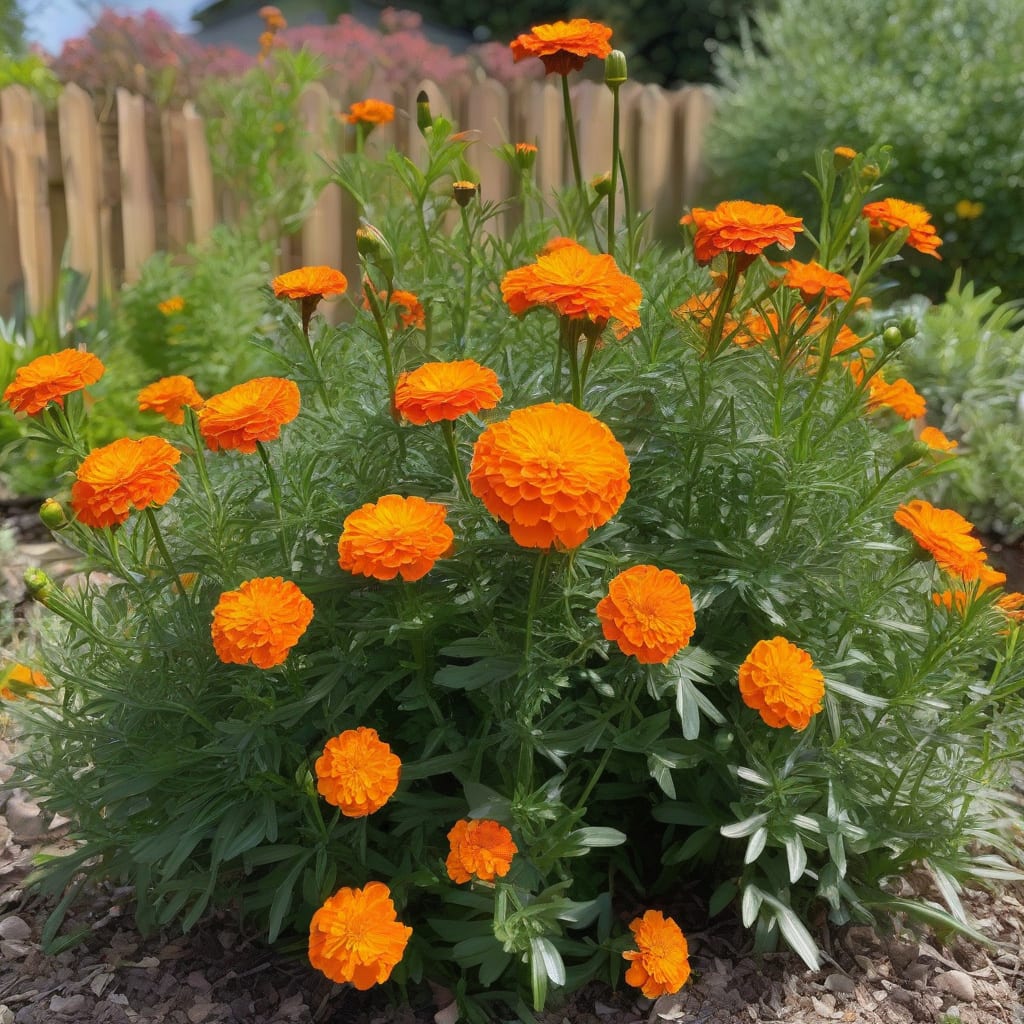
When I first started growing Marigolds 💛, I wondered how tall they could actually get. The answer depends on several factors, including soil quality, sunlight, and watering practices.
Understanding these factors is key to maximizing their growth potential in USDA Zone 6. Let’s explore how to help your Marigolds reach their maximum height of 1-3 feet.


When it comes to Marigolds, understanding their maximum height potential is crucial for effective garden planning. Different varieties have different growth habits, and knowing what to expect can help you make the most of your garden space.
The height of Marigolds can vary significantly depending on the specific variety. For instance, African Marigolds are known for their tall, statuesque growth, often reaching heights of 2-3 feet, while French Marigolds tend to be more compact, typically growing to around 1-2 feet tall. Signet Marigolds, on the other hand, are generally the most compact, usually staying below 1 foot in height.
The height potential of Marigolds is influenced by several factors, including soil quality, sunlight exposure, and watering practices. Marigolds grown in well-draining soil with full sun tend to perform better and reach their maximum height more consistently than 8 inches tall, while others can grow up to 3 feet or more under optimal conditions.
To maximize the growth potential of your Marigolds, it’s essential to provide them with the right growing conditions. This includes ensuring they receive adequate sunlight, typically at least 6 hours of direct sunlight per day, and maintaining well-draining soil that is rich in organic matter. Proper watering practices are also crucial, as Marigolds prefer soil that is moist but not waterlogged.
By understanding the height potential of different Marigold varieties and providing the appropriate care, you can enjoy these vibrant flowers at their best, adding color and beauty to your garden throughout the growing season. 🌼
Different Marigold varieties have unique characteristics that affect their growth. For example, African Marigolds are not only taller but also have larger flowers compared to other varieties. French Marigolds are more compact and have a bushier growth habit, making them ideal for container gardens or border plantings.
When planning your garden, considering the mature size of the Marigold variety you choose is important. This helps in spacing them appropriately to avoid overcrowding and ensures that each plant gets enough sunlight and air circulation.
Marigolds are also known for their easy maintenance and resistance to pests, making them a popular choice for gardeners of all skill levels. Their bright flowers come in shades of yellow, orange, and red, adding a vibrant splash of color to any garden.
In addition to their aesthetic appeal, Marigolds have practical uses in the garden. They can help deter nematodes and other pests, making them a valuable companion plant for vegetables and other flowers.
Overall, understanding the height potential and growth habits of Marigolds can help you create a more balanced and visually appealing garden. Whether you’re looking for tall, statuesque plants or compact, bushy varieties, there’s a Marigold to suit your needs.
By selecting the right variety and providing the appropriate care, you can enjoy the beauty and benefits of Marigolds in your garden for months to come. With their bright colors and easy care, they’re a great addition to any garden landscape.
When growing Marigolds, understanding the factors that affect their height is crucial for achieving the best results in your garden. Several key elements influence how tall these vibrant flowers will grow, and being aware of them can help you optimize their growth.
Soil quality plays a significant role in determining Marigold height. Marigolds thrive in well-draining soil that is rich in organic matter. Poor soil quality can lead to stunted growth, while soil that is too rich can cause the plants to become leggy.
To maximize Marigold height, ensure the soil is well-draining and rich in organic matter. Avoid over-fertilizing, as this can lead to weak, leggy growth.
Sunlight exposure is another critical factor. Marigolds require full sun to grow to their maximum potential. Aim for at least 6 hours of direct sunlight per day to promote healthy, vigorous growth.
Watering practices also impact Marigold height. These plants prefer soil that is moist but not waterlogged. Overwatering can lead to root rot and stunted growth, while underwatering can cause stress and reduce plant height.
Pruning practices can also influence Marigold height. Regular deadheading can encourage bushy growth and prevent the plants from becoming too leggy. Pinching back the tips of young plants can also promote a fuller, more compact growth habit.
By understanding and managing these factors, you can create an optimal growing environment for your Marigolds, helping them reach their full height potential and add vibrant color to your garden.
In addition to these factors, temperature and air circulation can also impact Marigold growth. Marigolds prefer warmer temperatures and good air circulation to prevent disease.
Overall, by providing the right conditions and care, you can enjoy healthy, thriving Marigolds that add beauty and vibrancy to your garden throughout the growing season 🌼.
To help Marigolds reach their maximum height potential of 1-3 feet, it’s essential to provide optimal growing conditions. I recommend starting with well-draining soil that is rich in organic matter.
Ensure your Marigolds receive at least 6 hours of direct sunlight per day to promote healthy growth.
Keep the soil moist but not waterlogged. Overwatering can lead to root rot and stunted growth 🌿.
Use a balanced fertilizer every 4-6 weeks to support healthy growth and maximize height.
By following these steps, you can create an optimal environment for your Marigolds to thrive and reach their full height potential. Regular maintenance, including deadheading and pruning, will also encourage bushy growth and prevent legginess.
With the right care, your Marigolds will not only reach their maximum height but also produce vibrant, healthy blooms throughout the growing season 🌼.
For best results, monitor your plants regularly and adjust your care routine as needed to ensure optimal growth and health.
By understanding and implementing these strategies, you’ll be able to enjoy tall, thriving Marigolds that add beauty and vibrancy to your garden.
