
Beautiful Plants For Your Interior
Beautiful Plants For Your Interior
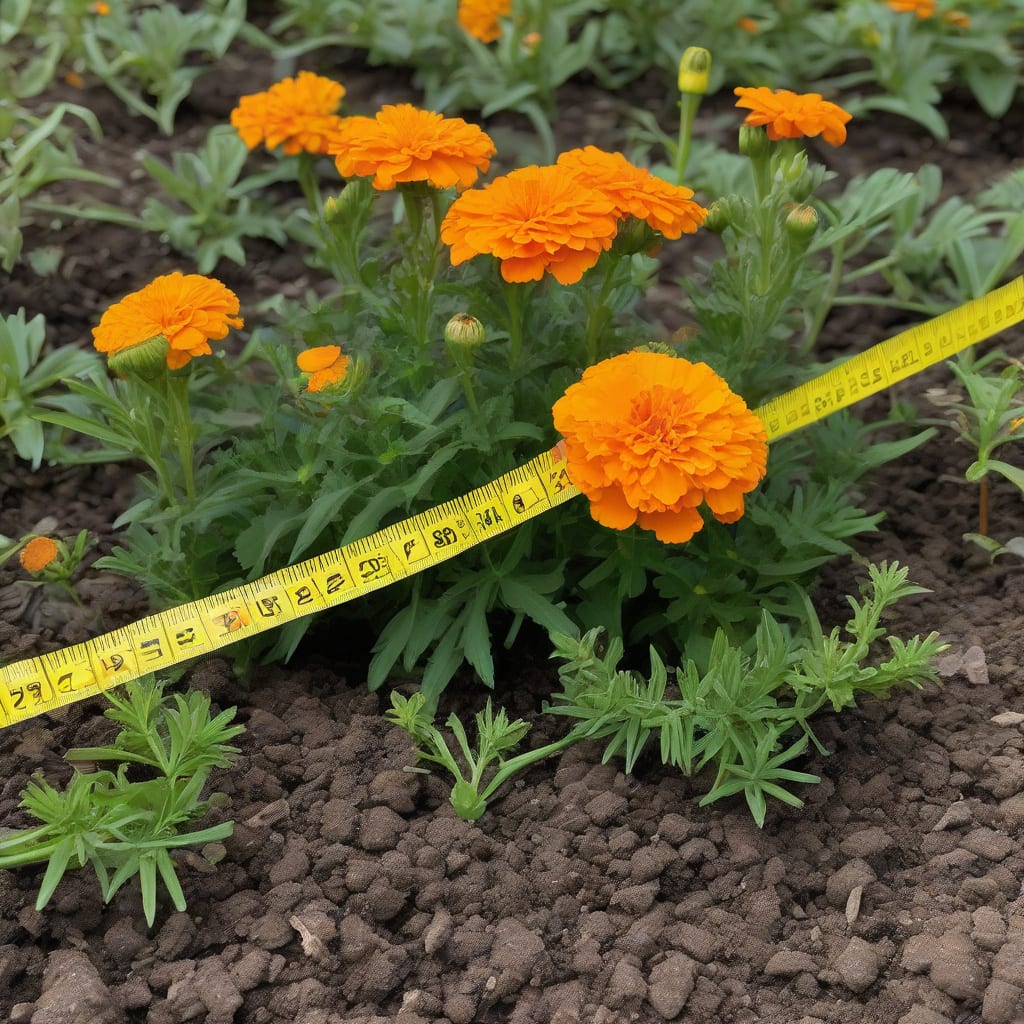
When planting Marigold 💛 in your garden, understanding its growth potential is crucial. These vibrant flowers can add a pop of color to your outdoor space, but their height can vary based on several factors.
Typically, Marigold plants can grow between 1 to 3 feet tall, making them a great choice for borders or containers. Let’s explore what influences their height and what you can expect in different growing conditions.

Marigolds are known for their bright, vibrant flowers and relatively compact growth habit. Understanding their height expectations is crucial for garden planning and proper spacing.
The typical height of marigold plants can vary significantly based on the specific variety, growing conditions, and care practices. Generally, most marigold varieties grow between 1 to 3 feet tall.
The height of marigold plants can be influenced by several factors, including soil quality, sunlight exposure, and watering practices. In ideal conditions, with full sun and well-draining soil, marigolds tend to grow more vigorously and reach their maximum potential height 🌼.
It’s worth noting that marigolds are generally considered to be relatively low-maintenance plants, making them a great choice for gardeners of all skill levels. Their height can be managed through proper care and pruning techniques.
For gardeners looking to maximize their marigold’s growth, ensuring they receive adequate sunlight and appropriate watering is crucial. Overwatering can lead to weaker stem growth, while underwatering can stress the plants and limit their height 🌻.
In terms of specific height expectations, African Marigods tend to be the tallest, often reaching heights of 2 to 3 feet. French Marigolds are generally more compact, usually growing between 1 to 2 feet tall. Signet Marigolds are the most compact, typically reaching heights of 1 to 1.5 feet 💐.
By understanding these height expectations and the factors that influence them, gardeners can better plan their garden layouts and care for their marigold plants to achieve the desired growth patterns.
For more specific guidance on managing marigold height, including tips on pruning and care practices, continue reading the next section.
Marigold plants are not only valued for their height but also for their bright, cheery flowers that can add a vibrant touch to any garden or container 🌺.
With proper care and attention to their growing conditions, marigolds can thrive and provide a beautiful display of color throughout the growing season.
Understanding the factors that influence marigold height is crucial for gardeners who want to optimize their plant’s growth. While marigolds are generally low-maintenance plants, their height can be significantly affected by various growing conditions.
One of the primary factors affecting marigold height is soil quality. Marigolds prefer well-draining soil that is rich in organic matter. Soil that is too dense or poorly draining can limit root growth, resulting in shorter plants 🌿.
For optimal marigold growth, ensure your soil has good drainage and is enriched with compost or well-rotted manure. This will help promote healthy root development and support taller plants.
Sunlight exposure is another critical factor that affects marigold height. Marigolds thrive in full sun, requiring at least 6 hours of direct sunlight per day. Insufficient sunlight can result in leggy growth and shorter plants ☀️.
Watering practices also play a significant role in determining marigold height. While marigolds are relatively drought-tolerant, consistent moisture promotes healthier growth. However, overwatering can lead to root rot and weaker stem growth, ultimately limiting the plant’s height 💧.
In addition to these factors, fertilization can impact marigold height. Feeding your marigolds with a balanced fertilizer during the growing season can promote vigorous growth and taller plants. However, avoid overfertilizing, as this can lead to excessive foliage growth at the expense of flowering 🌼.
By understanding and managing these factors, gardeners can optimize their marigold’s growth and achieve the desired height. Whether you’re looking for compact plants for containers or taller specimens for garden borders, adjusting your care practices can help you achieve your goals.
For more specific guidance on managing marigold height through pruning and care practices, continue reading the next section.
Marigold plants are not only valued for their height but also for their bright, cheery flowers that can add a vibrant touch to any garden or container 🌺.
With proper care and attention to their growing conditions, marigolds can thrive and provide a beautiful display of color throughout the growing season.
When growing marigolds, understanding how to manage their height is crucial for achieving the desired garden layout. Whether you’re looking for compact plants for containers or taller specimens for garden borders, there are several techniques you can use to control their height.
One effective method for managing marigold height is through pruning and pinching. Pinching off the tips of young marigold plants encourages bushier growth and can help control their overall height 🌿.
Pinch off the top sets of leaves to encourage branching and a fuller plant.
Remove spent flowers to promote more blooms and maintain plant appearance.
Space plants appropriately to allow for mature growth without overcrowding.
For gardeners looking to maximize their marigold’s height, providing optimal growing conditions is essential. This includes ensuring they receive full sun and are planted in well-draining soil ☀️.
By implementing these strategies, you can effectively manage the height of your marigold plants and achieve the desired growth patterns for your garden or containers 🌼.
Marigolds are versatile plants that can thrive in various settings, from garden beds to containers, making them a great choice for adding color and vibrancy to your outdoor space 🌺.
With proper care and attention to their growing conditions, marigolds can provide a beautiful display of color throughout the growing season, enhancing the overall aesthetic of your garden.
