
Beautiful Plants For Your Interior
Beautiful Plants For Your Interior
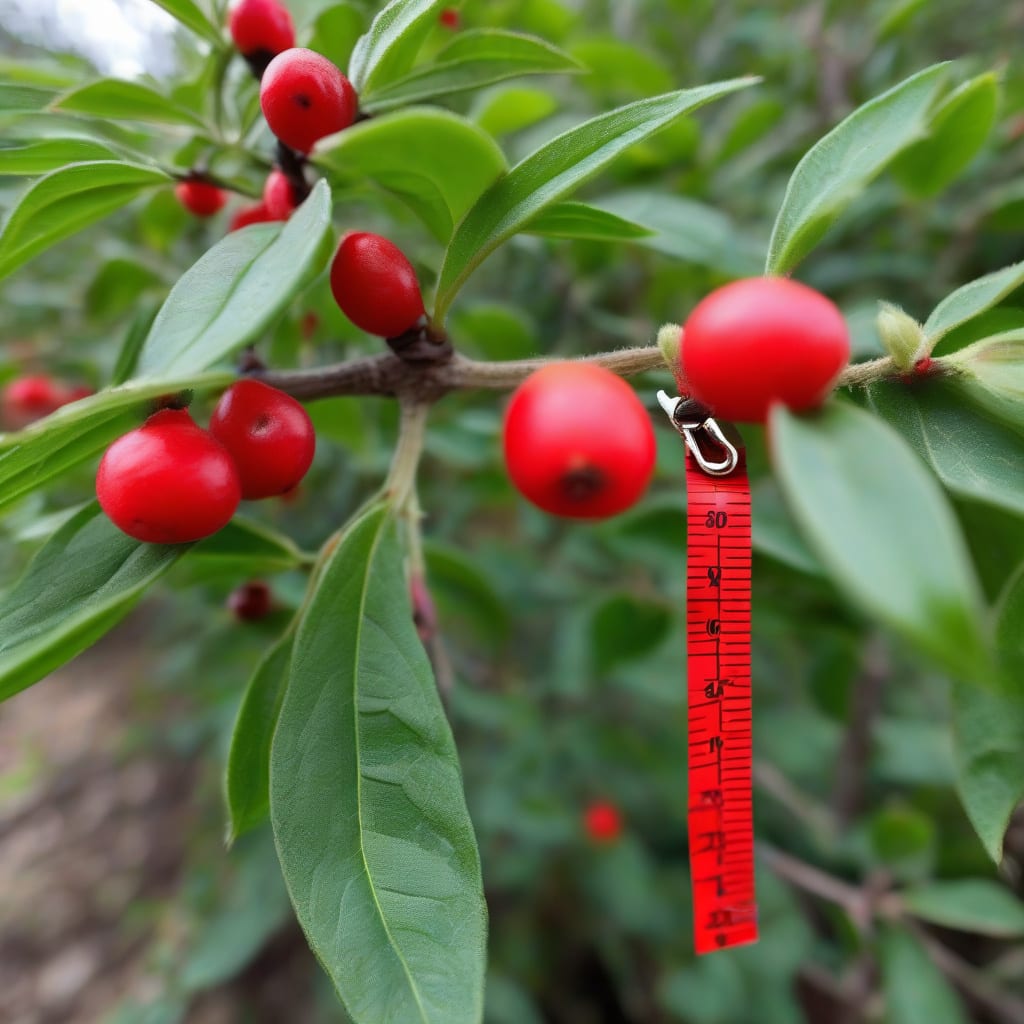
As I discovered when growing my own Goji Berry 🌿 plants, understanding their growth habits is crucial for successful cultivation. These versatile shrubs can add both beauty and nutrition to your garden.
In USDA Zone 6, Goji Berry plants typically grow between 3-6 feet tall, making them a great choice for hedges or borders. Let’s explore what affects their height and how to manage their growth effectively.


Goji berry plants are known for their impressive growth and versatility in various garden settings. When considering how tall these plants can grow, it’s essential to understand their typical height range and growth patterns.
Generally, Goji berry plants can grow between 3 to 6 feet tall, making them suitable for hedges, borders, or even container gardening. Their growth rate is moderate, typically reaching their full height within 2-3 years under optimal conditions 🌿.
The height of Goji berry plants can be influenced by several factors, including soil quality, sunlight exposure, and pruning practices. In optimal conditions with full sun and well-draining soil, these plants tend to grow their maximum height of 6 feet. 🌱
Understanding these growth characteristics helps gardeners plan their garden layout and maintenance routines effectively. Proper care and management can ensure that Goji berry plants reach their full potential height while maintaining overall health and productivity.
Let’s examine the specific factors that can affect how tall Goji berry plants can grow and how gardeners can optimize these conditions for maximum height potential.
First, we’ll look at the role of sunlight in Goji berry plant growth. These plants require full sun to thrive, meaning they need at least 6 hours of direct sunlight daily. In areas with less sunlight, the plants may not reach their maximum height potential.
Soil quality is another critical factor. Goji berry plants prefer well-draining soil with a balanced nutrient profile. Soil that is too dense or lacking in nutrients can limit the plant’s growth.
Watering practices also play a significant role. While Goji berry plants are relatively drought-tolerant once established, consistent moisture during the growing season can promote healthier growth and potentially greater height.
Pruning is another essential aspect of managing Goji berry plant height. Regular pruning not only helps control the plant’s size but also encourages bushier growth and more abundant fruiting.
By understanding these factors and implementing proper care techniques, gardeners can optimize the growth of their Goji berry plants and enjoy both their ornamental value and nutritional benefits.
In summary, Goji berry plants can grow between 3 to 6 feet tall, with their height influenced by various environmental and cultivation factors. With proper care and management, these plants can thrive in a variety of garden settings.
For gardeners looking to maximize their Goji berry plant’s height, focusing on optimal growing conditions and regular maintenance is key. By doing so, you can enjoy a bountiful harvest of nutritious Goji berries while enhancing your garden’s aesthetic appeal.
When growing Goji berry plants, understanding the factors that influence their height is crucial for achieving optimal growth. Several key elements can affect how tall these plants can grow, and being aware of them can help gardeners make informed decisions about their care.
The amount of sunlight Goji berry plants receive is a critical factor in determining their height. These plants thrive in full sun, requiring at least 6 hours of direct sunlight daily. Areas with less sunlight can result in reduced growth and a shorter overall height 🌞.
To maximize Goji berry plant height, ensure they receive full sun and maintain well-draining soil with balanced nutrients. Regular pruning and consistent moisture during the growing season also contribute to healthier, taller plants.
Soil quality is another significant factor affecting Goji berry plant height. These plants prefer well-draining soil with a balanced nutrient profile. Soil that is too dense or lacking in essential nutrients can limit the plant’s growth potential.
Watering practices also play a role in determining the height of Goji berry plants. While they are relatively drought-tolerant once established, consistent moisture during the growing season can promote healthier growth and potentially greater height.
Pruning techniques are essential for managing Goji berry plant height. Regular pruning helps control the plant’s size, encourages bushier growth, and promotes more abundant fruiting.
By understanding and optimizing these factors, gardeners can create an environment that supports the healthy growth of their Goji berry plants, allowing them to reach their full height potential.
For gardeners looking to maximize their Goji berry plant’s height, focusing on optimal growing conditions and regular maintenance is key. By doing so, you can enjoy a bountiful harvest of nutritious Goji berries while enhancing your garden’s aesthetic appeal 🌿.
When it comes to managing the height of Goji berry plants, pruning and training techniques play a crucial role. These methods not only help control the plant’s size but also promote healthier growth and more abundant fruiting 🌿.
Prune your Goji berry plant annually to maintain its desired height and shape. Remove any dead or damaged branches to promote healthy growth.
Train your Goji berry plant to grow in a desired shape or direction. This can be achieved by gently tying branches to a trellis or stake.
Regularly inspect your Goji berry plant for any signs of disease or pests. Maintaining overall health is key to managing its height effectively.
By implementing these pruning and training techniques, you can effectively manage the height of your Goji berry plants. This not only enhances their appearance but also contributes to a more bountiful harvest 🌼.
For optimal results, it’s essential to prune your Goji berry plant during its dormant season, typically in late winter or early spring. This timing helps minimize stress on the plant and encourages vigorous growth during the growing season.
Additionally, consider the overall health of your plant when pruning. Removing weak or spindly growth can help direct the plant’s energy towards producing healthier and more productive branches.
In summary, effective management of Goji berry plant height involves a combination of regular pruning, thoughtful training, and consistent maintenance. By following these practices, you can enjoy a thriving and productive Goji berry plant in your garden.
