
Beautiful Plants For Your Interior
Beautiful Plants For Your Interior
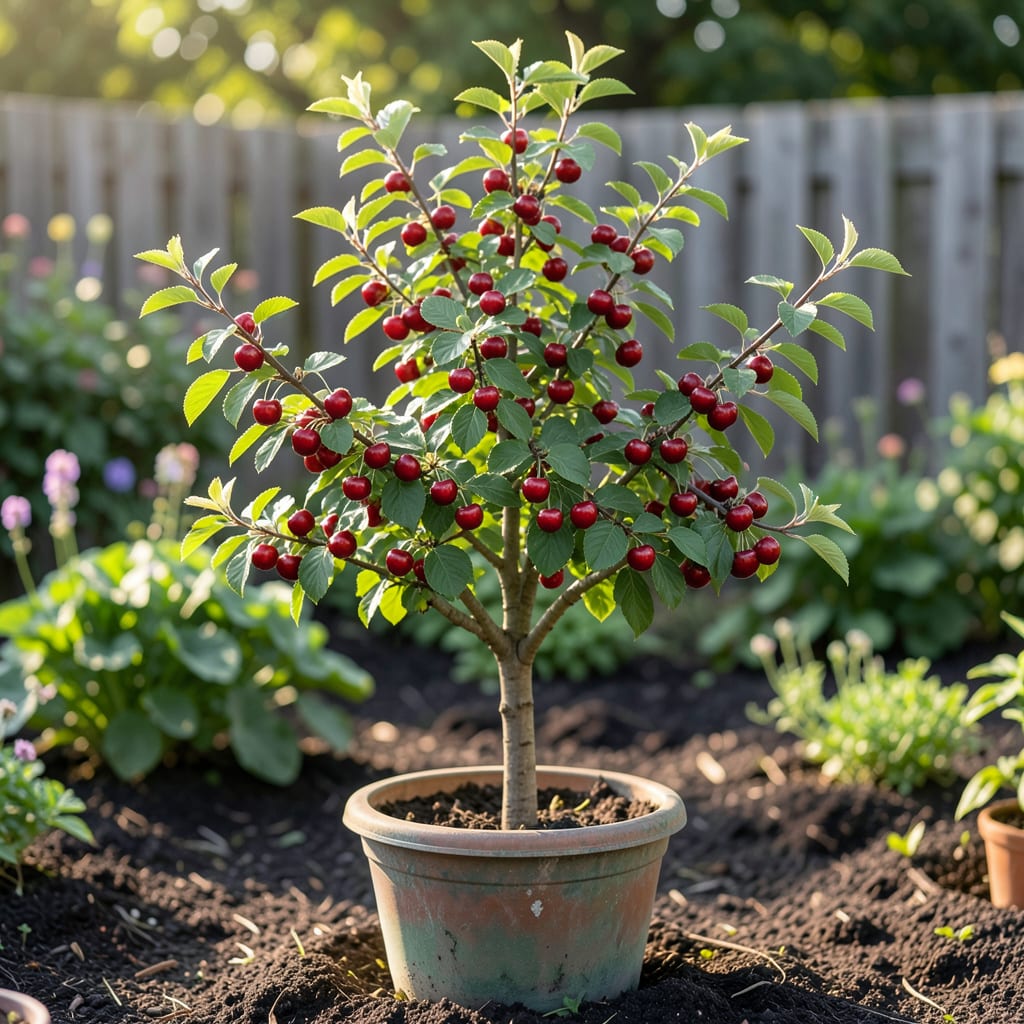
I’ve always been fascinated by dwarf cherry trees 🌸 – they’re perfect for small gardens and produce delicious fruit. But how tall do they actually grow? Understanding their growth patterns is key to getting the most out of these compact trees.
Dwarf cherry trees typically reach heights of 8-12 feet, making them ideal for spaces where larger trees won’t fit. With proper care and pruning, you can keep them thriving and fruiting for years to come.


Dwarf cherry trees are known for their compact size and abundant fruit production, making them a popular choice for home gardeners. But how tall do they actually grow? The height of dwarf cherry trees is influenced by several factors, including the rootstock, variety, growing conditions, and pruning practices.
Generally, dwarf cherry trees can grow to be between 8-12 feet tall, with some varieties reaching heights of up to 15 feet if not pruned regularly. Understanding these growth patterns is crucial for successful cultivation and maintenance.
The mature height of dwarf cherry trees is typically between 8-12 feet, but this can vary depending on the specific variety and growing conditions. Some popular varieties, such as ‘Stella’ and ‘Montmorency’, are known for their compact growth habits and abundant fruit production.
To achieve the desired height and shape, it’s essential to understand the factors that influence the growth of dwarf cherry trees. This includes the rootstock, variety, growing conditions, and pruning practices. By controlling these factors, you can promote healthy growth and maximize fruit production.
Rootstock selection plays a critical role in determining the overall size and vigor of the tree. Different rootstocks can result in varying levels of dwarfing, with some producing trees that are more compact than others.
The variety of cherry tree you choose will also impact its growth habits and mature size. Some varieties are naturally more compact, while others may require more extensive pruning to maintain a desired height.
Growing conditions, including soil quality, sunlight exposure, and watering practices, can also significantly impact tree growth. Providing optimal growing conditions can help promote healthy growth and maximize fruit production.
Pruning practices are also crucial for controlling the height and shape of dwarf cherry trees. Regular pruning can help maintain a desired height, promote fruiting, and ensure overall tree health.
By understanding these factors and implementing proper care and maintenance, you can enjoy a bountiful harvest from your dwarf cherry tree for years to come 🌸.
In summary, dwarf cherry trees are a great choice for home gardeners due to their compact size and abundant fruit production. With proper care and maintenance, they can thrive and provide delicious fruit for years to come.
For optimal growth, it’s essential to provide your dwarf cherry tree with full sun and well-draining soil. Regular watering and fertilization can also help promote healthy growth and maximize fruit production.
By following these tips and understanding the growth patterns of dwarf cherry trees, you can enjoy a successful and fruitful harvest.
I’ve found that several factors can influence the height of dwarf cherry trees. Understanding these factors is crucial for successful cultivation and maintenance.
The height of dwarf cherry trees is affected by soil quality, sunlight exposure, watering practices, and fertilization. Each of these factors plays a critical role in determining the overall health and size of the tree.
By understanding and controlling these factors, you can promote healthy growth and maximize fruit production in your dwarf cherry tree.
Soil quality is particularly important, as it affects the tree’s ability to absorb nutrients and water. Ensuring your soil is well-draining and rich in organic matter can help support the tree’s growth.
Sunlight exposure is also critical, as dwarf cherry trees require full sun to produce abundant fruit. Choosing a location that receives at least 6 hours of direct sunlight per day is essential.
Watering practices should be consistent, especially during the first year after planting. Dwarf cherry trees prefer moist soil, but overwatering can be detrimental to their health.
Fertilization is another key factor in promoting healthy growth and fruit production. Using a balanced fertilizer during the growing season can provide your tree with the necessary nutrients to thrive.
By following these guidelines and understanding the factors that affect the height of dwarf cherry trees, you can enjoy a successful and fruitful harvest 🌸.
Pruning is a crucial maintenance task for dwarf cherry trees, helping control their height, promote fruiting, and maintain overall tree health. By pruning your tree regularly, you can ensure it remains healthy and productive.
The height of dwarf cherry trees can be managed through regular pruning techniques. This involves removing select branches to control the tree’s size and shape, while also promoting fruit production.
Prune your dwarf cherry tree in late winter or early spring, before new growth begins.
Remove any dead or diseased branches to prevent the spread of disease and promote healthy growth.
Thin out the center of the tree to allow more sunlight to reach fruiting branches.
By following these pruning steps, you can effectively manage the height of your dwarf cherry tree and promote healthy growth and fruit production. Regular pruning is essential for maintaining the overall health and productivity of your tree.
Pruning tools are also an important consideration. Use clean, sharp pruning shears or loppers to make precise cuts and minimize damage to the tree.
Pruning your dwarf cherry tree regularly will help you achieve the desired height and shape, while also promoting abundant fruit production 🌸.
In summary, managing dwarf cherry tree height through pruning is a simple yet effective way to maintain tree health and promote fruiting. By following the steps outlined above, you can enjoy a bountiful harvest from your tree for years to come.
Dwarf cherry trees usually grow between 8-12 feet tall, making them perfect for smaller gardens or containers. Some varieties can reach up to 15 feet if not pruned regularly. Regular maintenance helps keep them at a manageable height .
Dwarf cherry trees typically grow about 1-2 feet per year during their first few years. Growth slows down as they mature. Factors like soil quality, sunlight, and watering practices can affect their growth rate. Proper care ensures healthy development .
Yes, you can control the height through regular pruning. Prune in late winter or early spring to maintain shape and promote fruiting. Removing dead or diseased branches also helps. Proper pruning techniques keep your tree healthy and productive .
Dwarf cherry trees need full sun and well-draining soil to thrive. Regular watering and balanced fertilization during the growing season support healthy growth. Consistent care ensures abundant fruit production and maintains tree health .
