
Beautiful Plants For Your Interior
Beautiful Plants For Your Interior
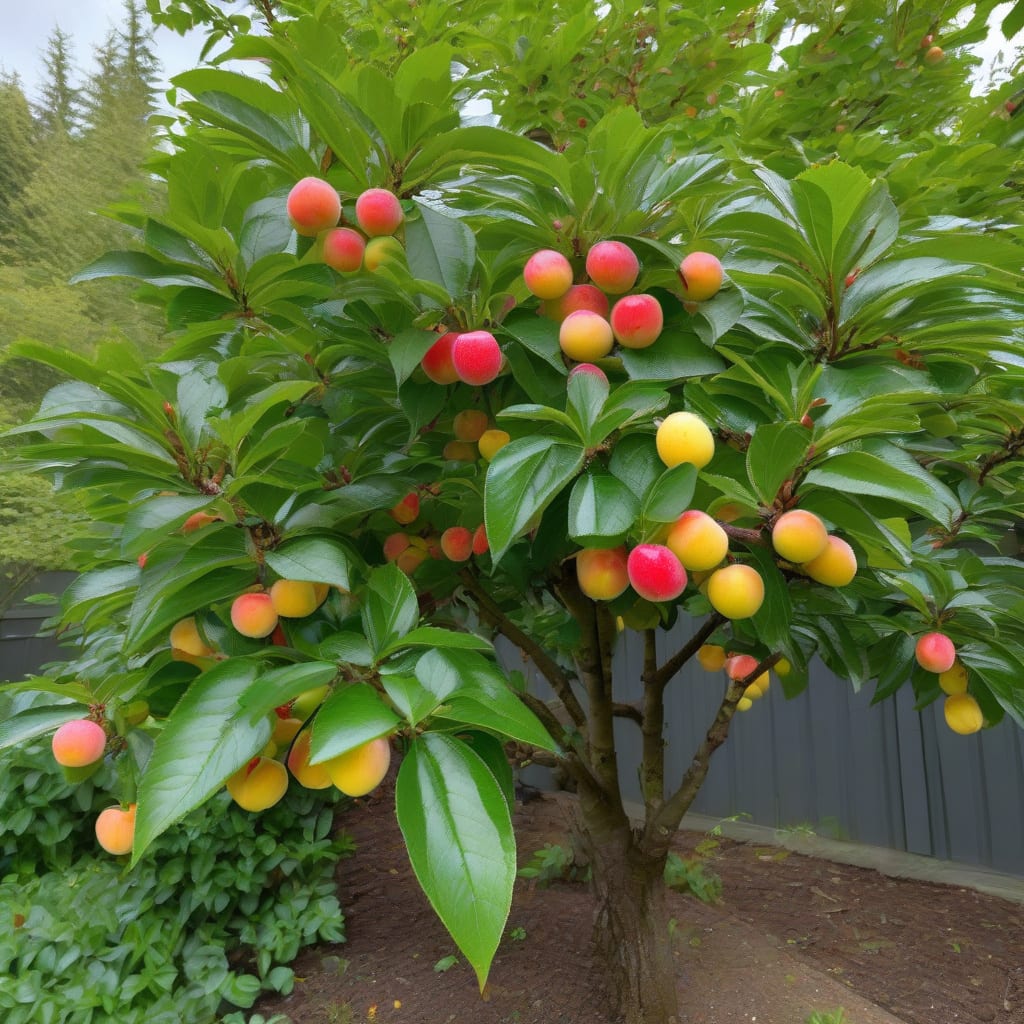
When planting a Rainier Cherry Tree 🌳 in your garden, understanding its growth potential is crucial. These trees can grow between 15 to 30 feet tall, depending on factors like soil quality and pruning techniques.
Proper care and maintenance can help you maximize the tree’s height and fruit production. Let’s explore the key factors that influence the height of your Rainier Cherry Tree and how you can optimize its growth in USDA Zone 6.

5 ft

8 ft

12 ft

20-25 ft
Rainier cherry trees are known for their impressive growth and ability to reach significant heights. The typical height range for these trees varies between 15 to 30 feet, making them a substantial addition to any garden or orchard.
Understanding the growth patterns of Rainier cherry trees is crucial for gardeners and orchardists. These trees can grow quite tall, but their height is influenced by various factors including soil quality, climate conditions, and pruning techniques 🌳.
The growth rate of Rainier cherry trees is generally considered moderate to fast. In ideal conditions, these trees can grow up to 2-3 feet per year during their early years. However, the growth rate slows down as the tree matures.
Soil quality plays a significant role in determining the height of Rainier cherry trees. Trees grown in well-draining, fertile soil with a pH between 6.0 and 6.8 tend to grow more vigorously than those in poor soil conditions.
Climate conditions also impact the growth of Rainier cherry trees. These trees thrive in USDA Zone 6 and require a certain number of chill hours to produce fruit. Adequate sunlight and temperature conditions are also essential for optimal growth.
Rainier cherry trees are known for their relatively large size compared to other cherry tree varieties. The standard variety can grow between 20 to 30 feet tall, while dwarf and semi-dwarf varieties are available for smaller spaces, growing between 8 to 18 feet tall.
The mature height of a Rainier cherry tree is influenced by its rootstock and growing conditions. Standard rootstocks allow the tree to reach its full potential height, while dwarfing rootstocks restrict the tree’s size, making it more suitable for smaller gardens or orchards.
Understanding the factors that influence the height of Rainier cherry trees is essential for gardeners and orchardists. By providing optimal growing conditions and proper care, you can help your Rainier cherry tree reach its full potential height and produce an abundance of delicious fruit.
Rainier cherry trees are a popular choice among gardeners due to their delicious fruit and ornamental value. Their stunning white and yellow flowers bloom in early spring, followed by a bountiful harvest of sweet cherries in late spring to early summer.
In conclusion, Rainier cherry trees can grow to be quite tall, with a typical height range of 15 to 30 feet. By understanding the factors that influence their growth and providing proper care, you can enjoy a thriving and productive tree in your garden or orchard 🌳.
When growing Rainier cherry trees 🌳, understanding the factors that affect their height is crucial. The tree’s height can vary significantly based on several key elements.
The soil quality is one of the primary factors influencing the height of Rainier cherry trees. Trees planted in well-draining, fertile soil with a pH between 6.0 and 6.8 tend to grow more vigorously than those in poor soil conditions.
Soil quality, climate conditions, and pruning techniques all play a significant role in determining the mature height of Rainier cherry trees.
Climate conditions also have a substantial impact on the growth of Rainier cherry trees. These trees thrive in USDA Zone 6 and require a certain number of chill hours to produce fruit. Adequate sunlight and temperature conditions are essential for optimal growth.
Pruning techniques are another critical factor in managing the height of Rainier cherry trees. Regular pruning helps control the tree’s size, promotes healthy growth, and encourages fruit production.
By understanding and managing these factors, you can help your Rainier cherry tree reach its full potential height and enjoy a bountiful harvest of delicious fruit.
The combination of proper soil care, favorable climate conditions, and regular pruning will ensure your Rainier cherry tree grows to its optimal height 🌳.
For Rainier cherry trees, maintaining a balance between these factors is key to achieving the desired height and ensuring the tree remains healthy and productive.
In summary, the height of Rainier cherry trees is influenced by a combination of soil quality, climate conditions, and pruning techniques. By focusing on these key areas, you can optimize the growth of your tree.
When it comes to managing the size of your Rainier cherry tree 🌳, pruning and training techniques are essential. Proper pruning helps control the tree’s height, promotes healthy growth, and encourages fruit production.
To effectively manage your Rainier cherry tree’s size, it’s crucial to understand the different pruning methods and training strategies available.
Prune your Rainier cherry tree annually to maintain its shape and promote healthy growth.
Remove any dead or diseased branches to prevent the spread of disease and encourage healthy growth.
Thin out the center of the tree to allow sunlight to penetrate and promote fruiting.
By following these pruning and training techniques, you can effectively manage the size of your Rainier cherry tree and enjoy a bountiful harvest of delicious fruit 🌳.
Regular pruning and training will also help maintain the tree’s overall health and promote optimal growth.
In conclusion, managing the size of your Rainier cherry tree requires a combination of proper pruning and training techniques. By understanding and implementing these strategies, you can enjoy a thriving and productive tree in your garden or orchard.
