
Beautiful Plants For Your Interior
Beautiful Plants For Your Interior
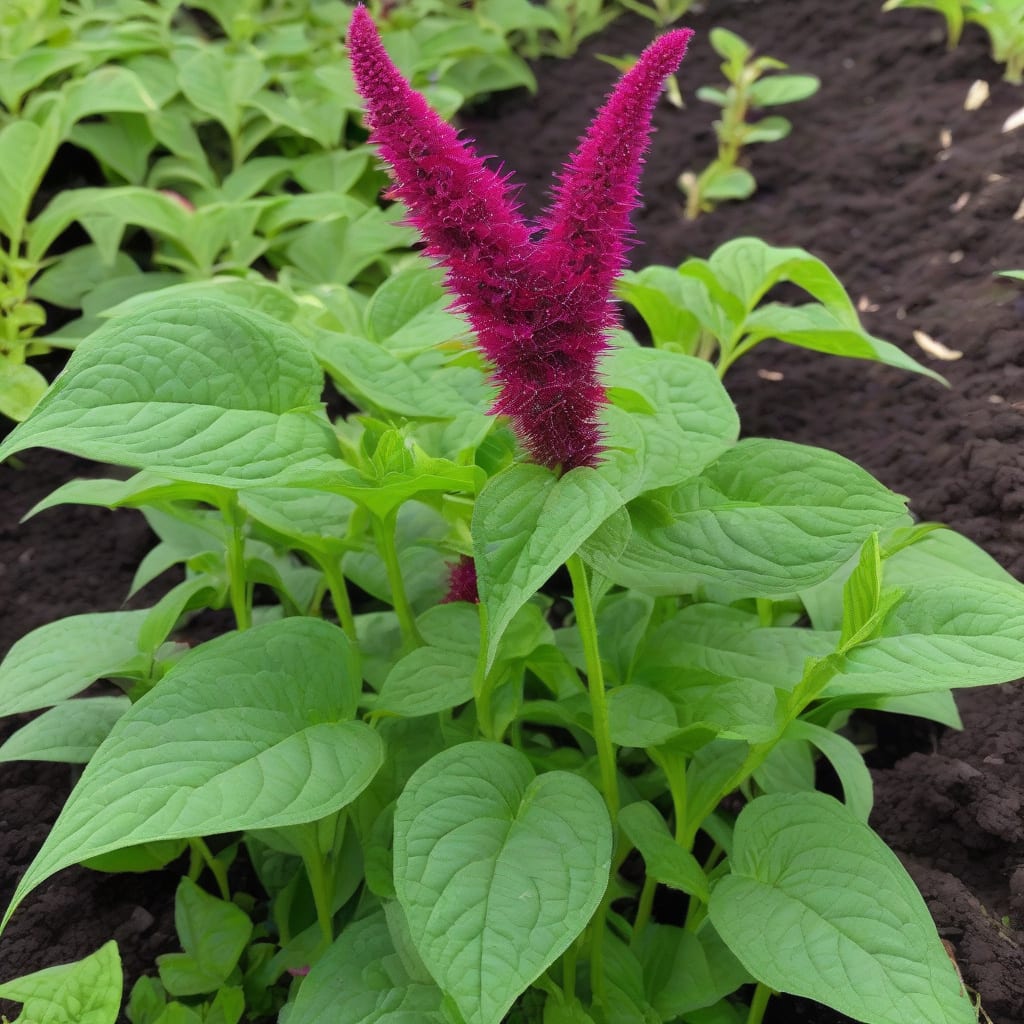
I’ve always been fascinated by 🌱 Amaranth’s impressive growth potential. Some varieties can reach heights of 6 feet or more, making them a striking addition to any garden in USDA Zone 6.
Understanding how tall Amaranth can grow is crucial for planning your garden layout and providing the right support. Let’s explore the factors that influence Amaranth’s height and how to care for these versatile plants.


I’ve found that Amaranth’s growth height is influenced by several key factors, including the specific variety, growing conditions, and cultivation practices. Understanding these elements is crucial for gardeners who want to maximize their Amaranth’s potential.
The height of Amaranth plants can vary significantly based on the variety. Some types are bred for their ornamental value and can grow quite tall, while others are cultivated for their edible leaves or seeds and may be more compact 🌿.
When it comes to growing Amaranth, gardeners should be aware that the plant has a relatively fast growth rate, especially during the peak summer months of June and July. Proper care can help achieve the maximum height potential.
The ideal growing conditions for Amaranth include warm temperatures, adequate moisture, and full sun exposure. These conditions not only promote healthy growth but also help the plant reach its full height potential 🌻.
Amaranth’s growth is also influenced by its natural resistance to pests and diseases, which can indirectly affect its height by reducing stress on the plant. This natural resilience makes it a low-maintenance crop for many gardeners.
In USDA Zone 6, Amaranth typically thrives during the frost-free period between the last frost date (May 15) and the first frost date (September 15). This provides a 120-day growing season, which is ample time for most Amaranth varieties to reach their mature height.
The planting window for Amaranth in this zone is usually in late spring to early summer, when the soil has warmed to at least 65°F. This timing helps ensure that the plants have the best chance to grow tall and healthy.
To further support their growth, Amaranth plants benefit from regular watering and balanced fertilization. A 10-10-10 NPK fertilizer applied every 4-6 weeks can provide the necessary nutrients for optimal growth.
Overall, understanding the factors that influence Amaranth’s growth height can help gardeners make informed decisions about planting, caring for, and harvesting this versatile crop. With the right conditions and care, Amaranth can become a stunning addition to any garden 🌼.
By considering the specific needs and characteristics of Amaranth, gardeners can create an optimal growing environment that supports the plant’s natural growth habits and maximizes its height potential.
I’ve found that different Amaranth varieties can grow to varying heights, making it essential to understand these differences when planning your garden. The height of Amaranth plants can range from 2 to 6 feet, depending on the specific variety and growing conditions.
The height of Amaranth plants is not just determined by variety alone; growing conditions and cultivation practices also play a significant role. Factors such as soil quality, water availability, and sunlight exposure can impact the final height of the plants.
When selecting an Amaranth variety, it’s crucial to consider the intended use and the available space in your garden. For example, if you’re looking to create a dramatic display or use the plants as a natural screen, a taller ornamental variety might be the best choice 🌼.
On the other hand, if you’re more interested in harvesting the leaves or seeds, a more compact variety could be more suitable. Understanding the growth habits of different Amaranth varieties can help you make informed decisions about how to best utilize these versatile plants in your garden 🌿.
By choosing the right variety and providing optimal growing conditions, you can maximize the height potential of your Amaranth plants and enjoy their many benefits, from nutritious leaves to striking ornamental displays 🌱.
It’s also worth noting that Amaranth’s height can be influenced by its natural resistance to pests and diseases, which can indirectly affect its growth by reducing stress on the plant. This natural resilience makes it a low-maintenance crop for many gardeners.
In summary, the height of Amaranth plants varies by variety, with some growing taller than others. By understanding these differences and providing the right growing conditions, gardeners can make the most of these versatile plants 🌻.
Managing Amaranth height is crucial for maximizing its growth potential and ensuring a healthy harvest. I’ve found that with the right techniques, you can control the height of your Amaranth plants and make the most of your garden space.
Prune your Amaranth plants regularly to encourage bushy growth and prevent them from becoming too leggy. Remove the top leaves to promote branching and increase overall yield 🌿.
One effective way to manage Amaranth height is through pruning. By removing the top leaves, you can encourage the plant to branch out and become bushier, which not only controls height but also increases the overall yield.
Spacing is another critical factor in managing Amaranth height. Planting the seeds 6-12 inches apart allows for proper air circulation and reduces competition for nutrients, which can help prevent the plants from growing too tall and spindly.
Fertilization also plays a role in managing Amaranth height. Using a balanced fertilizer (10-10-10 NPK) every 4-6 weeks provides the necessary nutrients for healthy growth without promoting excessive height.
In addition to these techniques, support can be crucial for taller Amaranth varieties. Providing stakes or a trellis can help keep the plants upright and prevent them from toppling over in the wind 🌻.
By implementing these strategies, you can effectively manage the height of your Amaranth plants and create a thriving garden that produces an abundance of nutritious leaves and seeds 🌱.
