
Beautiful Plants For Your Interior
Beautiful Plants For Your Interior
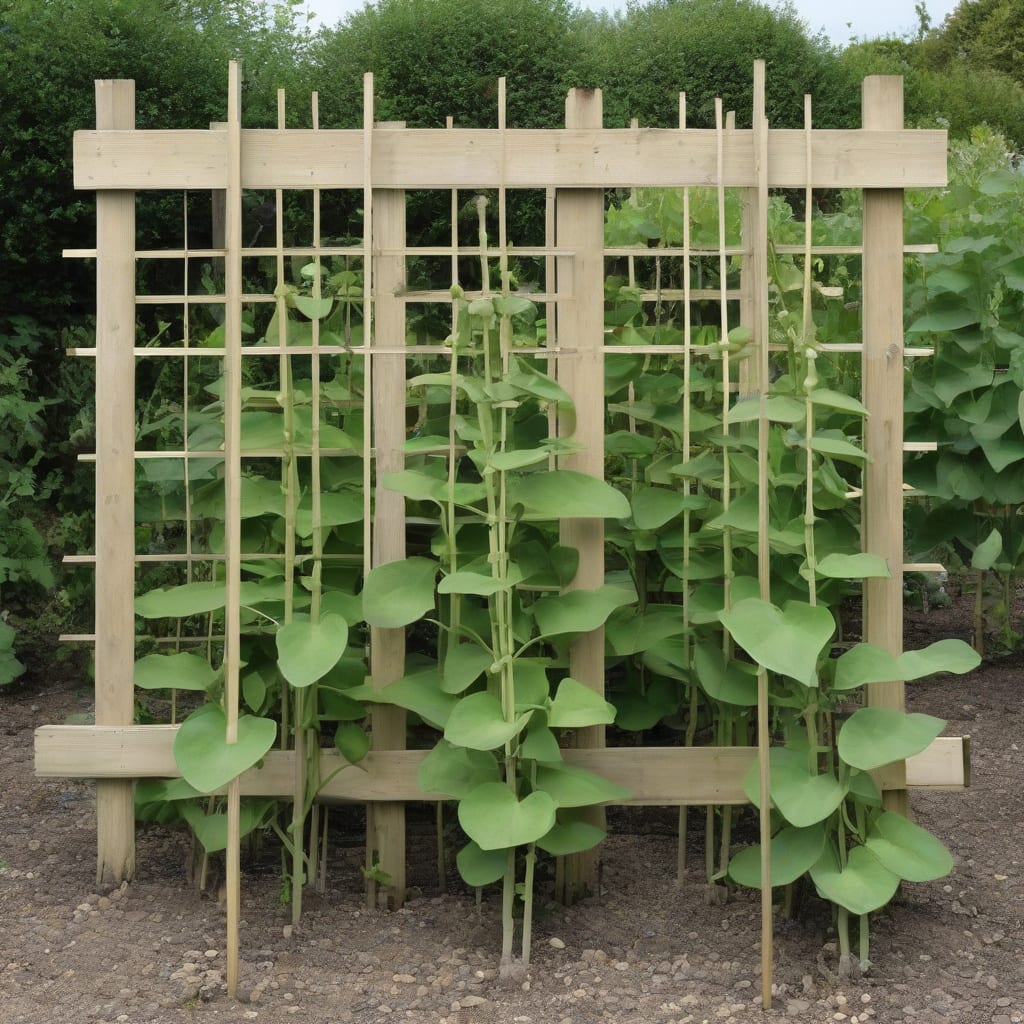
As I step into my garden, I’m always excited to see my 🌱 Broad Beans growing tall. These versatile legumes can reach impressive heights, making them a great addition to any garden in USDA Zone 6.
Understanding how tall Broad Beans can grow is crucial for planning your garden space and maximizing your yield. Let’s explore the growth habits of Broad Beans and what you can expect from these productive plants.


Broad beans are a fascinating crop for gardeners, offering both nutritional value and impressive growth habits. As I explore their growth patterns, you’ll discover that these plants can reach significant heights, making them a great addition to any garden.
The height of broad beans is a crucial factor in garden planning, as it affects spacing, support needs, and overall garden design. Let’s dive into the specifics of broad bean growth heights and the factors that influence them.
Broad beans typically grow between 3 to 6 feet tall, with some varieties reaching even greater heights under optimal conditions. The height variation depends largely on the specific cultivar being grown and the environmental factors at play.
When considering broad bean varieties, gardeners often distinguish between dwarf and standard types. Dwarf varieties tend to be more compact, growing around 3-4 feet tall, while standard varieties can reach up to 6 feet or more.
The height of broad beans is influenced by several key factors, including soil quality, climate conditions, and the support provided to the plants. Well-nourished soil and adequate moisture can contribute to taller growth, while exposure to harsh weather conditions may stunt the plants.
Understanding these growth patterns is essential for effective garden planning. By recognizing how tall broad beans can grow, gardeners can make informed decisions about spacing, support structures, and overall garden layout.
As we continue to explore the world of broad beans, it’s clear that their growth habits offer both opportunities and challenges for gardeners. By embracing these characteristics, we can create thriving gardens that showcase the best of what broad beans have to offer.
For those new to growing broad beans, it’s worth noting that their upright growth habit requires consideration when planning garden space. Providing adequate support is crucial to ensure the plants grow to their full potential and remain healthy throughout the growing season.
In the next sections, we’ll delve into the practical aspects of supporting broad beans as they grow tall and explore strategies for maximizing space in your garden.
By understanding and working with the natural growth patterns of broad beans, gardeners can enjoy a bountiful harvest and a beautiful, productive garden. 🌿
As broad beans grow taller, they require proper support to prevent lodging and ensure maximum yield. I always recommend providing some form of staking or trellising to keep these plants upright and thriving.
The height that broad beans can reach makes them a great candidate for vertical gardening techniques. By using supports, gardeners can make the most of their garden space while keeping the plants healthy and productive.
Use bamboo stakes or trellises to support broad beans as they grow tall. This will help prevent lodging and keep the plants upright, ensuring a healthier crop and easier harvesting.
When it comes to supporting broad beans, there are several options available to gardeners. Some popular methods include using bamboo stakes, trellises, or even fencing to provide the necessary support.
The key is to provide support early in the growing season, as broad beans can grow quite tall. By doing so, you can prevent damage to the plants and ensure they continue to thrive throughout the growing season.
In my experience, using a combination of staking and trellising has proven to be particularly effective. This approach allows the plants to grow upright while also providing additional support to prevent lodging.
It’s also worth noting that the type of support used can vary depending on the specific variety of broad bean being grown. For example, dwarf varieties may require less support than standard varieties.
By providing the right support, gardeners can enjoy a bountiful harvest of broad beans while also making the most of their garden space. 🌿
As we explore the world of broad beans further, it’s clear that their growth habits offer both opportunities and challenges for gardeners. By understanding and working with these characteristics, we can create thriving gardens that showcase the best of what broad beans have to offer.
When growing tall broad bean varieties, effective space management is crucial for a productive garden. I always consider companion planting and crop rotation to maximize my garden’s potential 🌼
Tall broad beans can be used as a natural trellis for other plants, creating a mutually beneficial growing environment. This approach not only saves space but also enhances overall garden productivity.
By implementing these strategies, gardeners can create a more efficient and productive growing space. The vertical growth of broad beans makes them an excellent choice for maximizing space in smaller gardens.
Effective garden planning is essential when working with tall broad bean varieties. By considering factors such as companion planting and crop rotation, gardeners can create a thriving and diverse garden ecosystem 🌿
With careful planning and attention to detail, tall growing broad beans can be a valuable addition to any garden, providing both beauty and productivity throughout the growing season.
