
Beautiful Plants For Your Interior
Beautiful Plants For Your Interior
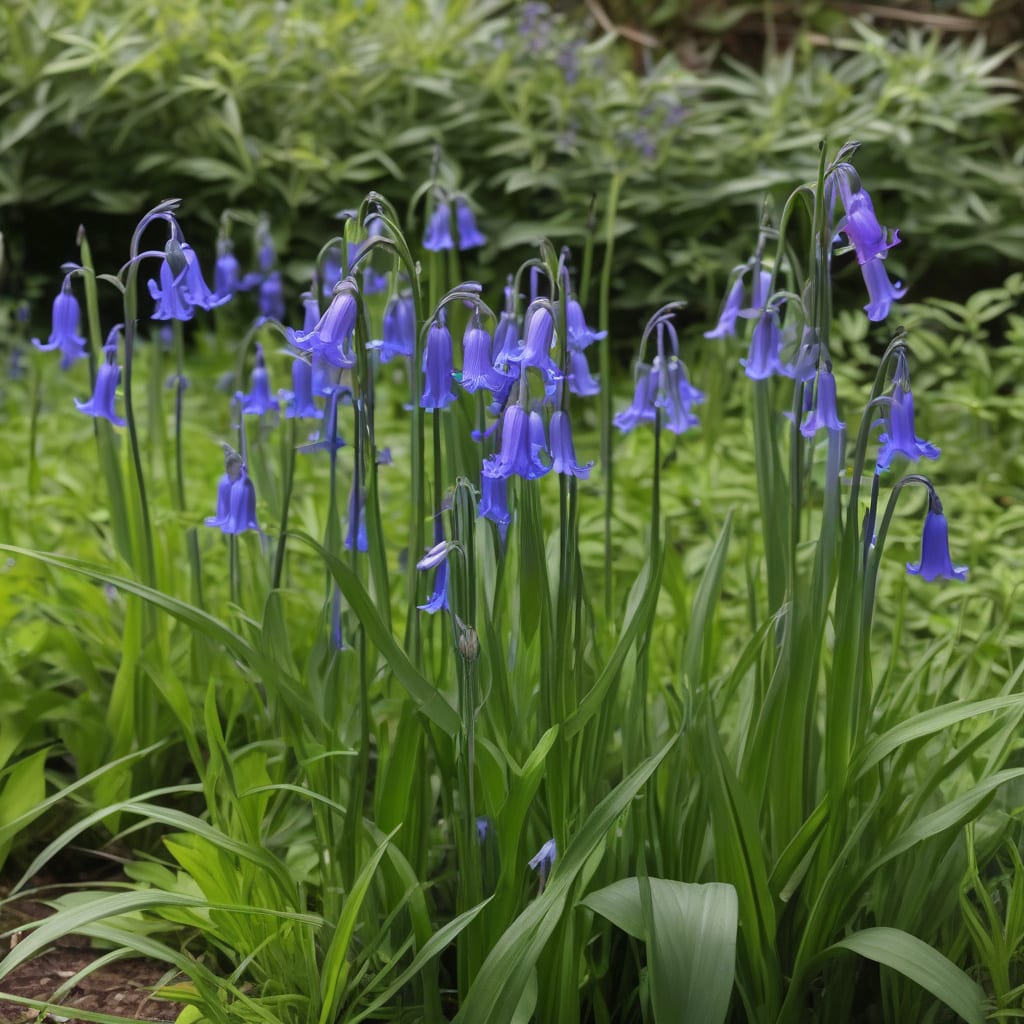
As I wander through woodland gardens in spring, I’m always amazed by the carpet of delicate 💐 Bluebells that seem to appear overnight. Their height can vary, but understanding what influences their growth helps gardeners cultivate these beautiful plants effectively in USDA Zone 6.
Let’s explore the typical height range of Bluebells and how to encourage them to reach their full potential – usually between 1-2 feet tall, creating a stunning display that’s simply breathtaking.


Bluebells are known for their delicate beauty and ability to naturalize in woodland gardens. The typical height range of bluebells varies between 1-2 feet, with some varieties growing taller than others. Understanding the factors that influence their growth can help gardeners create optimal conditions for these lovely flowers 🌼.
Several key factors affect bluebell height, including soil quality, light exposure, and climate conditions. Bluebells thrive in well-draining, humus-rich soil that retains moisture during the growing season. They prefer partial shade, especially in warmer climates, as full sun can cause the foliage to die back too quickly 🌻.
In terms of climate conditions, bluebells prefer cooler temperatures and consistent moisture during their growing season. They thrive in USDA Zone 6 and similar conditions, where they can experience the necessary cold period to bloom well 🌺.
The height of bluebells can also be influenced by how they are planted. For instance, planting bulbs at the correct depth and spacing them appropriately can encourage healthier growth and more robust flowering 🌱.
To achieve the best results, gardeners should focus on replicating the natural conditions that bluebells enjoy in the wild. This includes maintaining consistent moisture, providing appropriate light exposure, and ensuring the soil is rich in organic matter 🌿.
By understanding these growth factors and optimizing conditions, gardeners can enjoy a stunning display of bluebells that reach their full potential height, typically between 1-2 feet 🌸.
Bluebells are a versatile plant that can be used in various garden settings, from woodland gardens to shaded borders. Their ability to naturalize and spread makes them an excellent choice for gardeners looking to create a low-maintenance, beautiful display 💐.
Overall, the height of bluebells is an important aspect of their appeal, and with the right conditions, they can add a delightful touch to any garden 🌼.
By
To help bluebells reach their full height potential of 1-2 feet, proper care is essential. One of the most critical factors is planting depth. Bluebell bulbs should be planted 2-3 times deeper than their height to allow for proper root development 🌱.
Spacing is another important consideration. Planting bulbs 3-4 inches apart allows for naturalization and prevents overcrowding, which can lead to reduced growth and flowering 🌼.
Plant bulbs 2-3 times deeper than their height to encourage strong root growth and optimal height.
Space bulbs 3-4 inches apart to prevent overcrowding and allow for naturalization.
Use well-draining, humus-rich soil to support healthy growth and maximize bluebell height.
In addition to proper planting techniques, maintenance practices play a crucial role in optimizing bluebell height. This includes allowing the foliage to die back naturally after blooming, which helps recharge the bulb for the next growing season 🌿.
Post-bloom care is also vital. Avoid cutting or removing foliage until it has turned yellow, as this process is essential for the bulb’s energy storage and future growth 🌸.
By following these care tips and providing optimal growing conditions, gardeners can enjoy a vibrant display of bluebells that reach their full height potential, creating a stunning carpet of color in their garden 💐.
Regular monitoring and adjustment of growing conditions will help maintain the health and vigor of bluebells, ensuring they continue to thrive and reach their maximum height 🌼.
With proper care and attention to detail, bluebells can become a beautiful and integral part of any garden, providing a delightful display of color and texture 🌻.
While bluebells are generally hardy plants, several challenges can affect their height and overall health. Understanding these common issues and how to address them is crucial for maintaining a vibrant display of bluebells in your garden 🌼.
One of the primary challenges gardeners face is pest damage. Slugs and snails are particularly problematic as they can feed on bluebell foliage and flowers, reducing their height and overall appearance 🐌.
Regularly inspect your bluebells for signs of slug and snail damage. Use organic deterrents like copper tape or crushed eggshells around plants to protect them.
Diseases can also impact bluebell height. Fungal infections, such as bluebell bulb rot, can cause bulbs to rot, reducing plant height and vigor. Ensuring good air circulation and avoiding overwatering can help prevent these issues 🌿.
Environmental stressors, such as extreme temperatures and drought, can also affect bluebell height. Bluebells prefer consistent moisture and cooler temperatures during their growing season. Mulching around the plants can help retain moisture and regulate soil temperature 🌸.
To maintain optimal bluebell height, it’s essential to monitor your plants regularly and address any issues promptly. By understanding the common challenges and implementing effective solutions, you can enjoy a stunning display of bluebells in your garden 💐.
Regular care and attention to potential problems will help ensure your bluebells reach their full height potential and continue to thrive year after year 🌼.
