
Beautiful Plants For Your Interior
Beautiful Plants For Your Interior
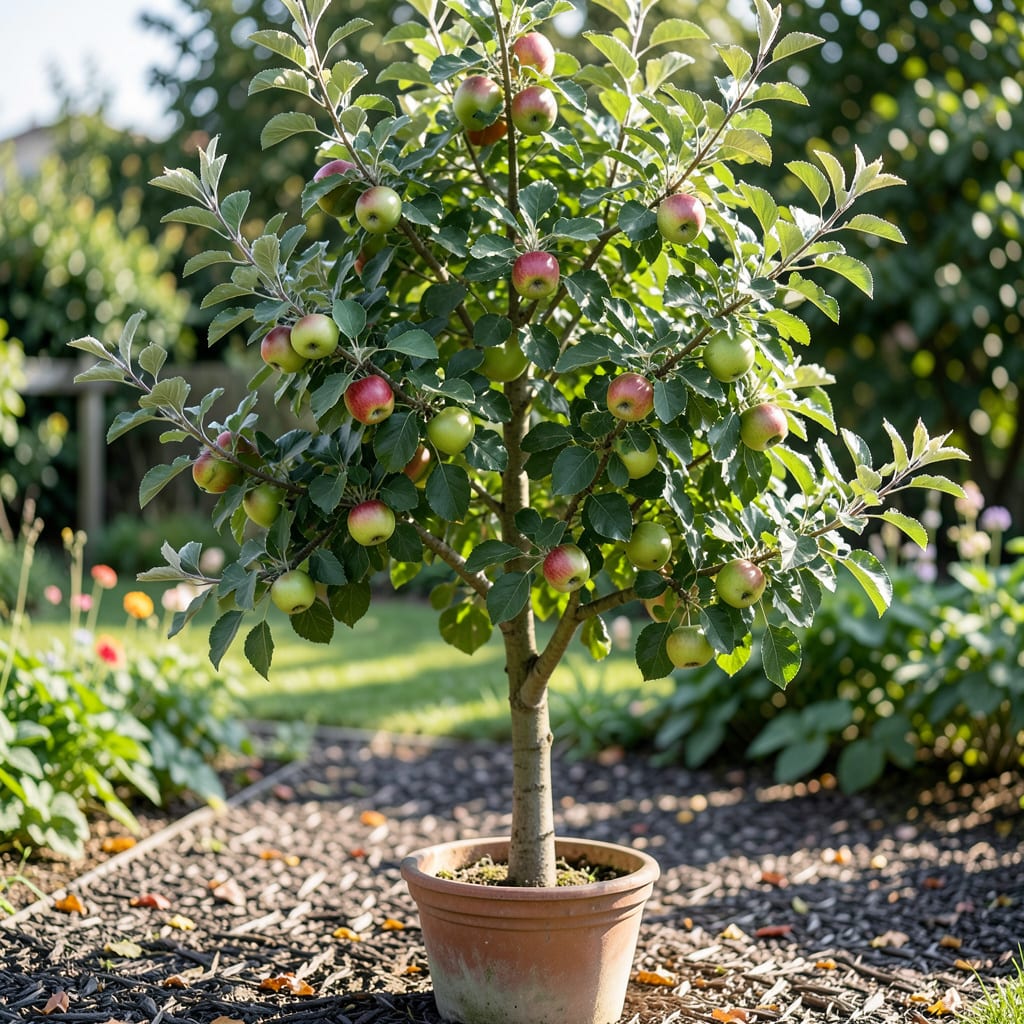
I’ve always been fascinated by the potential height of Apple Trees 🍎 in home gardens. The maximum height an Apple Tree can reach depends on various factors, including rootstock and growing conditions.
Understanding these factors is crucial for gardeners in USDA Zone 6 to make informed decisions about tree selection and care. Let’s explore what influences an Apple Tree’s growth and how tall it can really grow.


I’ve always been fascinated by the potential height of Apple Trees in home gardens. The maximum height an Apple Tree can reach depends on various factors, including rootstock and growing conditions 🌳.
Understanding these factors is crucial for gardeners in USDA Zone 6 to make informed decisions about tree selection and care. Let’s explore what influences an Apple Tree’s growth and how tall it can really grow.
The height of an Apple Tree is influenced by multiple factors that gardeners must consider when planting and maintaining their trees. Understanding these elements is key to achieving optimal growth and fruit production.
Rootstock selection is one of the most critical factors affecting Apple Tree height. Different rootstocks can result in trees ranging from dwarf varieties of 8-12 feet to standard trees that can grow up to 25 feet or more.
The variety of Apple Tree also plays a significant role in determining its mature height. Some varieties naturally grow taller than others due to their genetic characteristics. For example, some heritage varieties tend to grow larger than modern commercial cultivars.
Soil quality is another crucial factor that affects Apple Tree growth. Trees growing in rich, well-draining soil with adequate nutrient availability tend to grow more vigorously and reach their full height potential compared to those in poor soil conditions.
Climate conditions, including temperature, sunlight, and moisture levels, also significantly impact Apple Tree height. Trees grown in optimal climate conditions with adequate chill hours and proper sunlight exposure typically achieve better growth rates and maximum height.
Proper pruning practices are essential for maintaining tree health and maximizing height. Regular pruning helps maintain the tree’s structure, promotes healthy growth, and can influence the overall height by controlling vigorous growth and removing dead or diseased branches.
By understanding and managing these factors, gardeners can better predict and influence how tall their Apple Trees will grow, ensuring they select the right variety for their space and provide appropriate care throughout the tree’s life.
Regular maintenance, including fertilization and pest management, also contributes to healthy tree growth and can impact the ultimate height of the tree.
It’s worth noting that Apple Trees typically take several years to reach their full height, with most growth occurring in the first 5-10 years after planting 🌱.
By carefully considering these factors and providing optimal care, gardeners can help their Apple Trees achieve their full growth potential and enjoy bountiful harvests for years to come.
I’ve found that maximizing Apple Tree height requires a combination of proper care techniques and understanding the tree’s growth patterns. By implementing these strategies, gardeners can promote healthy growth and achieve their desired tree height 🌳.
To start, it’s essential to understand that Apple Trees need regular maintenance to reach their full potential. This includes pruning, fertilization, and pest management. Let’s dive into the expert tips and best practices for maximizing Apple Tree height.
Prune your Apple Tree annually to maintain its structure and promote healthy growth. Remove dead, diseased, or damaged branches to prevent stress and encourage fruiting.
Fertilize your Apple Tree with a balanced fertilizer during the growing season. This will provide essential nutrients for growth and fruit production.
Regularly inspect your Apple Tree for signs of pests or diseases. Take action promptly to prevent damage and promote healthy growth.
In addition to these expert tips, it’s crucial to consider the specific needs of your Apple Tree variety. Some varieties are naturally more vigorous or compact than others, so understanding their growth habits is essential for maximizing height.
By combining these strategies and providing optimal care, gardeners can help their Apple Trees achieve their full growth potential and enjoy a bountiful harvest for years to come 🌟.
Regular maintenance is key to maximizing Apple Tree height. By following these expert tips and best practices, gardeners can promote healthy growth and achieve their desired tree height.
It’s also important to note that Apple Trees typically take several years to reach their full height, with most growth occurring in the first 5-10 years after planting 🌱.
By being patient and providing consistent care, gardeners can help their Apple Trees reach new heights and enjoy the many benefits they provide.
When considering how tall an Apple Tree can grow, it’s essential to understand that different varieties have unique growth habits and mature heights 🌳.
The height of an Apple Tree is significantly influenced by its variety, with some growing much taller than others. Let’s explore some popular Apple Tree varieties and their typical mature heights.
Understanding the mature height of your Apple Tree variety is crucial for proper spacing and garden planning. By choosing the right variety for your space, you can ensure optimal growth and fruit production.
Some popular Apple Tree varieties include Red Delicious, Gala, and Granny Smith, each with its unique growth characteristics and mature height.
When selecting an Apple Tree, consider factors such as available space, desired maintenance level, and expected fruit yield to choose the most suitable variety for your needs.
By understanding the growth habits and mature heights of different Apple Tree varieties, gardeners can make informed decisions and create a thriving orchard that meets their specific requirements 🌟.
Apple Trees can grow to varying heights depending on their variety and rootstock. On average, a standard Apple Tree can reach 20-30 feet tall, while dwarf varieties typically top out at 8-12 feet. Semi-dwarf trees usually fall somewhere in between, reaching heights of 12-18 feet.
Apple Trees typically take 5-10 years to reach their mature height. The growth rate can be influenced by factors such as soil quality, climate conditions, and proper care practices like pruning and fertilization. Regular maintenance helps ensure the tree grows healthily and reaches its full potential.
Yes, pruning can significantly impact the height of an Apple Tree. Proper pruning techniques can help control the tree’s size, promote healthy growth, and encourage fruiting. Regular pruning can also help maintain the tree’s structure and prevent it from becoming too tall or unruly.
Yes, different Apple Tree varieties have unique growth habits and mature heights. Dwarf varieties are bred to be compact and typically grow 8-12 feet tall, making them ideal for small gardens or container growing. Standard varieties, on the other hand, can grow much taller, reaching heights of 20-30 feet or more.
