
Beautiful Plants For Your Interior
Beautiful Plants For Your Interior
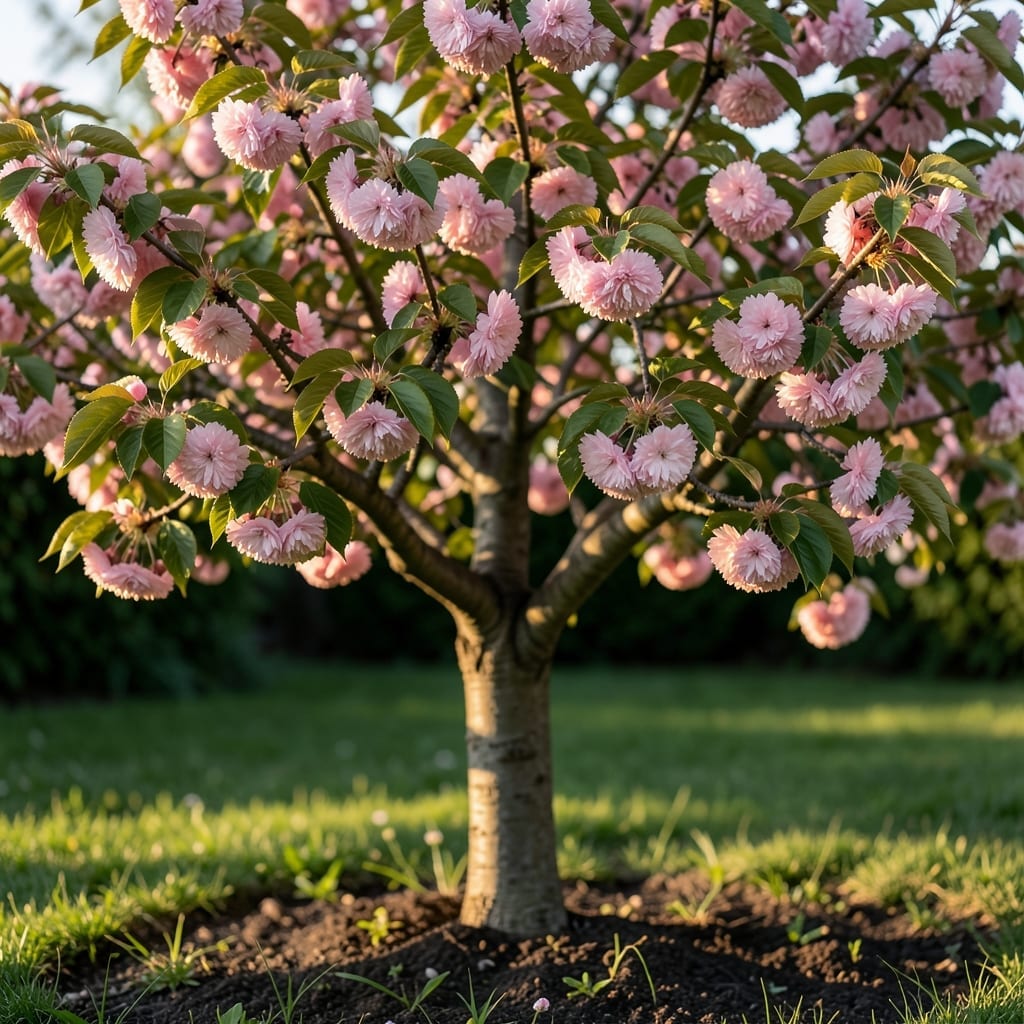
Patience is key when growing cherry trees, as the wait for that first sweet harvest can test even the most enthusiastic gardener.
Understanding the timeline helps set realistic expectations for your 🌳 Cherry Tree. While some varieties may produce sooner, most take 3-7 years to bear fruit.
I remember planting my first tree and watching it grow each season, wondering when I’d finally see those beautiful cherries appear. The answer depends on several factors.
Discover what influences your tree’s fruiting timeline and how to tell when your Cherry Tree is ready to deliver its delicious reward.
If you’re wondering how long until cherry trees bear fruit, the answer depends on the variety and growing conditions. Most cherry trees take 3-7 years to produce their first harvest, but this varies significantly. Dwarf varieties often fruit sooner, while standard trees may require more patience.
For example, sweet cherry trees like Bing or Rainier typically start bearing fruit in 5-7 years. In contrast, tart cherry trees such as Montmorency may produce fruit as early as 3-5 years after planting. The rootstock used can also influence this timeline.
| Variety | Years to Fruit | Notes |
|---|---|---|
| Sweet Cherry (Bing) | 5-7 years | Standard size, full sun |
| Sweet Cherry (Rainier) | 5-7 years | Needs cross-pollination |
| Tart Cherry (Montmorency) | 3-5 years | Self-pollinating, cold-hardy |
| Dwarf Cherry | 3-4 years | Compact size, ideal for small spaces |
| Semi-Dwarf Cherry | 4-6 years | Balanced size and yield |
The growth stages of a cherry tree also play a role. In the first 1-2 years, the tree focuses on establishing its root system and structure. By year 3, you might see the first blossoms, but these often drop without setting fruit.
By year 4-5, many varieties begin to bear fruit consistently, provided they receive proper care. This includes adequate sunlight, well-draining soil, and regular watering. Without these, the timeline may be delayed.
Rootstock selection is another critical factor. Some rootstocks are bred to accelerate fruiting, while others prioritize disease resistance or tree size. For example, Gisela rootstocks can encourage earlier fruiting in sweet cherries.
Climate also impacts the timeline. Cherry trees in warmer zones (like USDA Zone 7-8) may fruit slightly earlier than those in cooler zones (like Zone 5). However, chill hours are essential for many varieties to set fruit properly.
If you’re eager for faster results, consider planting a mature tree from a nursery. These are often 2-3 years old and may start bearing fruit within 1-2 years of transplanting, shaving years off your wait time.
Remember, even after your tree begins to bear fruit, yield increases with age. A 5-year-old tree might produce 10-20 pounds of cherries, while a mature tree can yield 50-100 pounds or more annually.
Patience and proper care are key to maximizing your cherry harvest 🌳
I’ve learned that cherry tree fruiting isn’t just about time—it’s about growing conditions. Even the most patient gardener can influence how quickly their tree bears fruit.
Climate and soil quality play huge roles. Trees in ideal zones (5-8) with well-draining soil often fruit sooner than those in marginal areas.
Pollination is critical. Without proper pollinators, even a mature cherry tree may not produce. I always plant two compatible varieties within 50 feet for best results.
Pruning practices also speed up fruiting. Removing dead or crowded branches directs energy to fruit production. I prune in late winter before buds swell.
Soil conditions can delay fruiting by years. I test my soil every 2-3 years and amend with compost or lime as needed to hit that sweet spot pH.
Finally, tree age and rootstock matter. Dwarf rootstocks often bear fruit 1-2 years earlier than standard trees. My dwarf Stella gave me cherries in year 4!
☀️