
Beautiful Plants For Your Interior
Beautiful Plants For Your Interior
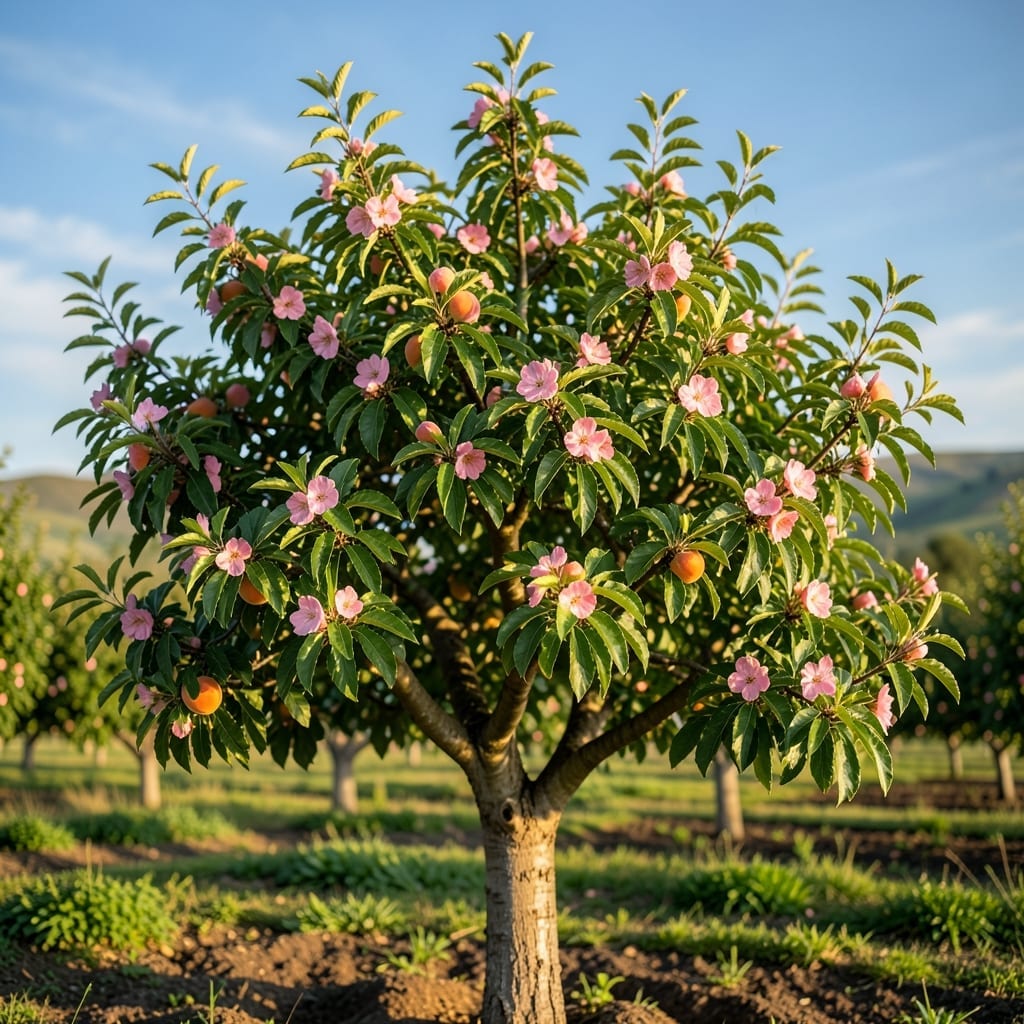
Peach trees can take years to produce their first delicious harvest, but the wait is worth it—if you know what to expect. The timeline depends on your 🍑 Peach Tree’s variety, age, and growing conditions.
I remember planting my first tree and wondering when I’d see those beautiful fruits appear. Whether you’re a seasoned gardener or just starting out, understanding these factors will set you up for success.
Let me walk you through the key milestones and what to watch for as your tree matures. You’ll discover how to tell when your Peach Tree is finally ready to bear fruit.
If you’re wondering when peach trees bear fruit, the answer depends largely on the variety you’ve planted. Dwarf peach trees can start producing as early as 2-3 years, while standard peach trees often take 3-4 years to bear their first fruit.
I’ve seen freestone peaches and clingstone peaches follow slightly different timelines, too. Freestone varieties tend to mature a bit faster, while clingstones may need an extra year to establish strong root systems. 🌱
| Variety | Years to First Fruit | Peak Production |
|---|---|---|
| Dwarf Peach | 2-3 years | 4-6 years |
| Semi-Dwarf Peach | 3-4 years | 5-7 years |
| Standard Peach | 4-5 years | 6-10 years |
| Freestone Peach | 3-4 years | 5-8 years |
| Clingstone Peach | 4-5 years | 6-9 years |
Note: Timelines can vary based on climate, soil quality, and care practices.
In my experience, container-grown peach trees may fruit slightly earlier than those planted in the ground. This is because they often receive more controlled care and consistent watering. However, they might produce smaller yields overall.
Early-bearing varieties like ‘Bonanza’ or ‘Contender’ are great choices if you’re eager to see results. These can produce fruit in as little as 2-3 years under ideal conditions. I planted a ‘Bonanza’ in my backyard, and it rewarded me with a small harvest in its third year.
For standard peach trees, patience is key. They need time to develop a strong root system and mature wood before they can support fruit production. This often means waiting 4-5 years for the first significant harvest. ☀️
Another factor to consider is grafted vs. seed-grown trees. Grafted peach trees, which are commonly sold at nurseries, typically bear fruit sooner because they’re cloned from mature, fruiting trees. On the other hand, seed-grown trees can take 5-7 years or more to produce fruit, if they ever do.
I always remind fellow gardeners that consistent pruning and proper care can encourage earlier fruiting. Removing dead or diseased wood and shaping the tree helps direct energy toward fruit production rather than excessive foliage growth. ✂️
Finally, remember that first-year fruits are often small and sparse. Don’t be discouraged—this is normal! As your tree matures, you’ll see larger yields and better-quality fruit. With the right variety and care, your peach tree can continue producing for 12-20 years or more.
The climate where you plant your peach tree plays a huge role in when it bears fruit. Most varieties thrive in USDA zones 5-9, needing chill hours to break dormancy and set fruit properly. 🌡️
I’ve found that trees in warmer climates often fruit 1-2 years earlier than those in cooler regions. But without enough winter chill, some varieties may struggle to produce at all.
Soil quality is another critical factor. Peach trees prefer slightly acidic soil with a pH of 6.0-6.5. I always recommend testing your soil before planting and amending it with compost or organic matter if needed. 🌱
In my garden, I’ve noticed that trees with consistent watering produce fruit more reliably. Drought stress can cause fruit drop or poor-quality peaches, so I
Pruning is often overlooked but vital for fruit production. I prune my trees every late winter to remove dead wood and open up the canopy. This improves air circulation and lets sunlight reach the fruit-bearing branches. ✂️
Finally, pest control can impact fruiting timelines. Peach tree borers and aphids can weaken a tree, delaying fruit production. I use organic sprays and beneficial insects to keep my trees healthy without harsh chemicals.