
Beautiful Plants For Your Interior
Beautiful Plants For Your Interior
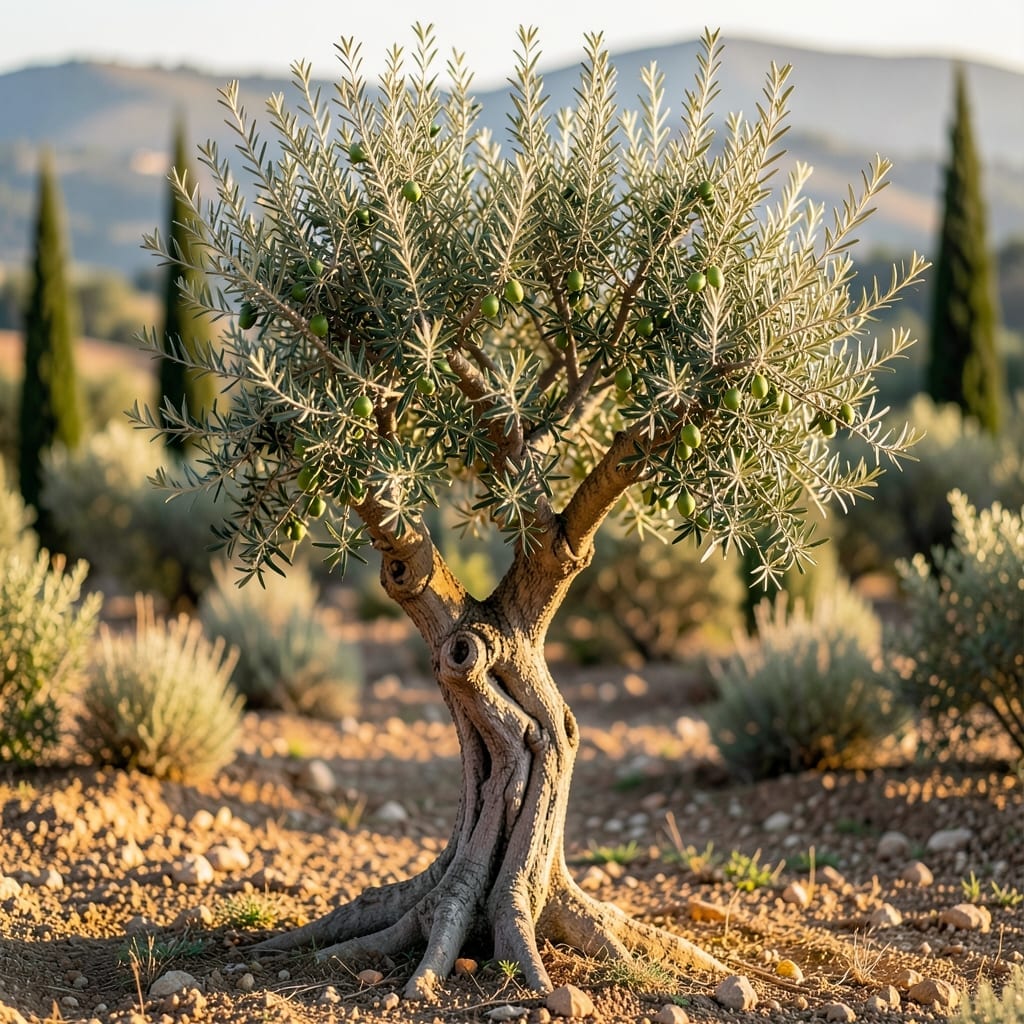
Growing an Olive Tree 🫒 from seedling to full fruit production is a test of patience, but understanding the timeline makes the journey far more rewarding.
Whether you’re planting for ornamental beauty or a future harvest, knowing what to expect is key. It’s not just about waiting—it’s about nurturing growth the right way.
Discover the stages of development, from early sprouts to a thriving tree, and learn how to optimize each phase for the best results.


If you’re wondering how long olive trees take to grow, the answer depends on the stage. From the moment you plant a seedling, you’ll witness a fascinating transformation over years, not months. Patience is key, but the rewards are worth it.
The journey begins with germination, which typically takes 2-4 weeks under ideal conditions. Once sprouted, the tree enters its seedling phase, lasting about 1-2 years. This is when it focuses on root and foliage development.
| Stage | Duration | Key Development |
|---|---|---|
| Germination | 2-4 weeks | Sprouts emerge |
| Seedling | 1-2 years | Roots and leaves develop |
| Juvenile | 3-5 years | Trunk thickens, branches form |
| Mature | 5+ years | Full height, fruit production |
During the juvenile phase, from years 3-5, your olive tree will start to look like a proper tree. The trunk thickens, and the canopy expands. This is a critical period for pruning to shape its growth.
By year 5, most olive trees reach maturity. This is when they can start producing olives, though some varieties may take a bit longer. A mature tree can grow 20-40 feet tall and live for centuries with proper care.
Climate plays a huge role in growth speed. Olive trees thrive in USDA zones 8-11, where warm temperatures and plenty of sunlight accelerate development. Cooler climates may slow growth significantly.
Soil quality is another critical factor. Olive trees prefer well-draining soil with a pH of 6-8. Poor soil can stunt growth, so I always recommend amending with compost before planting.
Watering needs change as the tree grows. Young trees need regular watering to establish roots, while mature trees are drought tolerant. Overwatering can be just as harmful as underwatering, so balance is key.
If you’re growing in a container, expect slower growth. Olive trees planted in the ground typically grow faster due to unrestricted root expansion. However, containers can work well for dwarf varieties.
Finally, remember that variety matters. Some olive trees, like the Arbequina, may bear fruit as early as 3-4 years, while others, like the Frantoio, can take 5-7 years. Choose a variety that fits your patience level and climate.
With the right care and conditions, your olive tree will reward you with beauty and, eventually, a bountiful harvest 🌳
The fruit-bearing timeline for olive trees varies by variety, but most gardeners can expect their first harvest between 3-7 years. This wait depends heavily on the cultivar, growing conditions, and care routine you provide.
Some dwarf varieties, like the popular Arbequina, may produce olives in 3-4 years, making them a favorite for impatient gardeners. Meanwhile, larger varieties often take longer to mature and bear fruit.
| Variety | Years to Fruit | Notes |
|---|---|---|
| Arbequina | 3-4 years | Dwarf, cold-hardy |
| Manzanillo | 4-5 years | Large green olives |
| Frantoio | 5-7 years | Robust oil producer |
To encourage earlier fruiting, I recommend ensuring your tree gets full sun exposure and consistent watering during its first few years. This helps the tree establish a strong root system, which is crucial for fruit production.
Pruning also plays a role. Light pruning in the early years can help direct energy toward fruit-bearing branches. However, avoid heavy pruning, as this can delay fruiting by stressing the tree.
If your olive tree isn’t fruiting by year 7, don’t lose hope. Some trees, especially those grown from seed, may take up to 10-12 years. Grafted trees typically fruit sooner, often within 3-5 years.
Remember, patience is key. Olive trees are a long-term investment, but with proper care, they’ll reward you with delicious olives for decades to come 🌳