
Beautiful Plants For Your Interior
Beautiful Plants For Your Interior
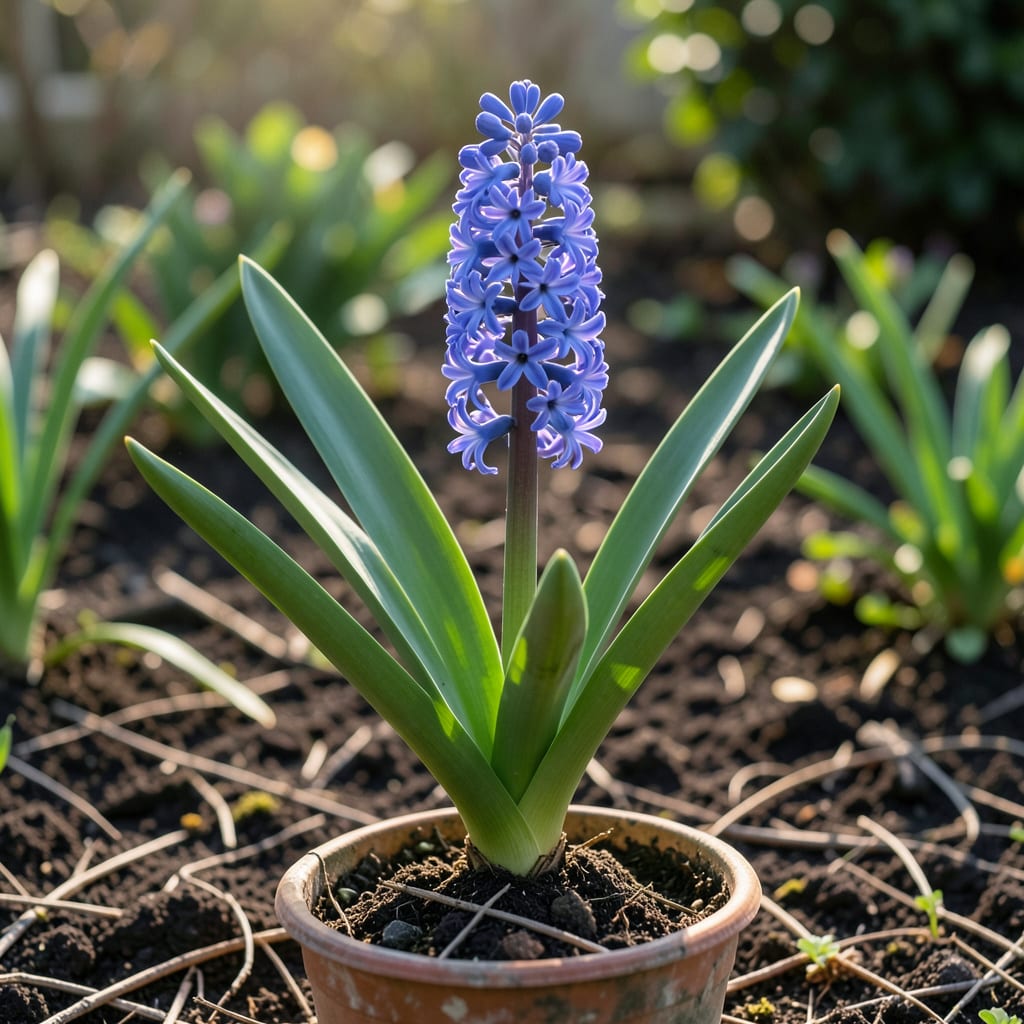
As spring arrives, Hyacinths 💐 burst forth with vibrant colors and intoxicating fragrance, but their beauty is fleeting. If you’re wondering how to make the most of their short blooming period, you’re not alone – many gardeners struggle to extend their flowering season.
Understanding the factors that affect Hyacinth bloom duration in your USDA Zone 6 garden can help you enjoy these gorgeous flowers longer. Let’s explore the secrets to maximizing their blooming period and keeping your garden vibrant.
Hyacinths are known for their vibrant colors and intoxicating fragrance, but their blooming period is relatively short. Typically, Hyacinths bloom for 2-3 weeks in the spring, with the exact duration depending on various factors such as climate, soil quality, and specific variety 🌼.
The blooming period can be influenced by temperature, with cooler temperatures prolonging the bloom and warmer temperatures shortening it. Understanding these factors can help you make the most of your Hyacinth’s flowering season.
In USDA Zone 6, Hyacinths typically bloom in March to May, with the peak blooming period usually occurring in April. The specific timing can vary depending on weather conditions and the particular variety of Hyacinth 🌸.
To maximize the blooming period, it’s essential to understand the factors that affect their bloom duration. By doing so, you can enjoy these beautiful flowers for a longer period 🌺.
Key factors affecting Hyacinth bloom duration include soil quality, sunlight exposure, and watering practices. Ensuring your Hyacinths receive proper care can help extend their blooming season.
Hyacinths prefer well-draining soil and full sun to partial shade. By providing the right conditions, you can encourage healthy growth and prolonged blooming 🌻.
Understanding the typical blooming period and the factors that influence it can help you plan your garden and make the most of your Hyacinths. With proper care and attention, you can enjoy these beautiful flowers for a longer period.
By following the tips outlined in this section, you can extend the blooming season of your Hyacinths and enjoy their beauty for longer 🌼.
Proper care and attention to your Hyacinths can make a significant difference in their blooming duration. By understanding the factors that affect their bloom, you can take steps to maximize their flowering season.
In conclusion, Hyacinths are a beautiful addition to any garden, and with the right care, you can enjoy their blooms for a longer period. By understanding the factors that affect their blooming duration, you can take steps to maximize their flowering season and keep your garden vibrant 🌺.
To make the most of your Hyacinths’ blooming period, it’s essential to understand how to extend their flowering season. By implementing a few simple gardening techniques, you can enjoy these beautiful flowers for a longer period 🌼.
One effective way to prolong Hyacinth blooms is by providing optimal growing conditions. This includes ensuring they receive adequate sunlight and proper watering. Hyacinths prefer full sun to partial shade and consistent moisture during their growth period 🌻.
Plant Hyacinth bulbs 6-8 inches deep to protect them from extreme temperatures and prolong blooming.
Keep the soil consistently moist during the growing season to support healthy growth and blooming.
Feed your Hyacinths with a balanced fertilizer after they finish blooming to promote healthy bulb development.
In addition to these tips, it’s crucial to deadhead your Hyacinths after they bloom. Removing the spent flowers can help direct the bulb’s energy towards re-growing and storing energy for the next year’s bloom 🌺.
By following these simple and effective tips, you can extend the blooming season of your Hyacinths and enjoy their vibrant colors and fragrance for a longer period 🌼.
Proper care and attention to your Hyacinths can make a significant difference in their blooming duration. By understanding the factors that affect their bloom and implementing the right gardening techniques, you can maximize their flowering season and keep your garden vibrant 🌻.
With a little planning and care, you can enjoy your Hyacinths for a longer period and make the most of their beautiful blooms 🌺.
By implementing these strategies, you’ll be able to prolong the blooming period of your Hyacinths and enjoy their beauty throughout the spring season 🌼.
After your Hyacinths finish blooming, it’s essential to provide proper care to ensure they return next year with vibrant blooms 🌼. The post-bloom period is critical for the bulb’s rejuvenation and preparation for the next flowering season.
One of the most important steps is to deadhead your Hyacinths after they bloom. Removing the spent flowers helps direct the bulb’s energy towards re-growing and storing energy for the next year’s bloom 🌺.
Allow the foliage to die back naturally, as this process helps the bulb store energy for next year’s bloom. Avoid cutting or tying the leaves until they turn yellow 🌿.
Post-bloom care also involves continuing to provide your Hyacinths with adequate watering and fertilization. Keep the soil consistently moist during the growing season, and apply a balanced fertilizer after blooming to promote healthy bulb development 🌻.
It’s also crucial to allow the foliage to die back naturally, as this process helps the bulb store energy for next year’s bloom. Avoid cutting or tying the leaves until they turn yellow, as this can weaken the bulb 🌿.
By following these simple post-bloom care tips, you can ensure your Hyacinths return next year with vibrant blooms and enjoy their beauty for years to come 🌼.
Key post-bloom care practices include deadheading, continued watering, and fertilization. By implementing these strategies, you can promote healthy bulb development and maximize the flowering season 🌺.
Proper post-bloom care can make a significant difference in the health and vigor of your Hyacinths. By understanding the importance of this period and providing the right care, you can enjoy these beautiful flowers for years to come 🌻.
Hyacinths usually bloom for 2-3 weeks in the spring. The exact duration can vary depending on factors like climate, soil quality, and specific variety. In USDA Zone 6, they typically bloom from March to May.
The blooming period of Hyacinths can be influenced by temperature, soil quality, sunlight exposure, and watering practices. Cooler temperatures can prolong the bloom, while warmer temperatures can shorten it. Proper care can help extend their blooming season.
To prolong Hyacinth blooms, provide optimal growing conditions, including adequate sunlight and proper watering. Plant bulbs 6-8 inches deep, keep the soil consistently moist, and fertilize after blooming. Deadheading can also help direct the bulb’s energy towards re-growing.
After blooming, remove spent flowers (deadhead) to direct the bulb’s energy towards re-growing. Continue to provide adequate watering and apply a balanced fertilizer to promote healthy bulb development. Allow foliage to die back naturally before cutting it back.
