
Beautiful Plants For Your Interior
Beautiful Plants For Your Interior
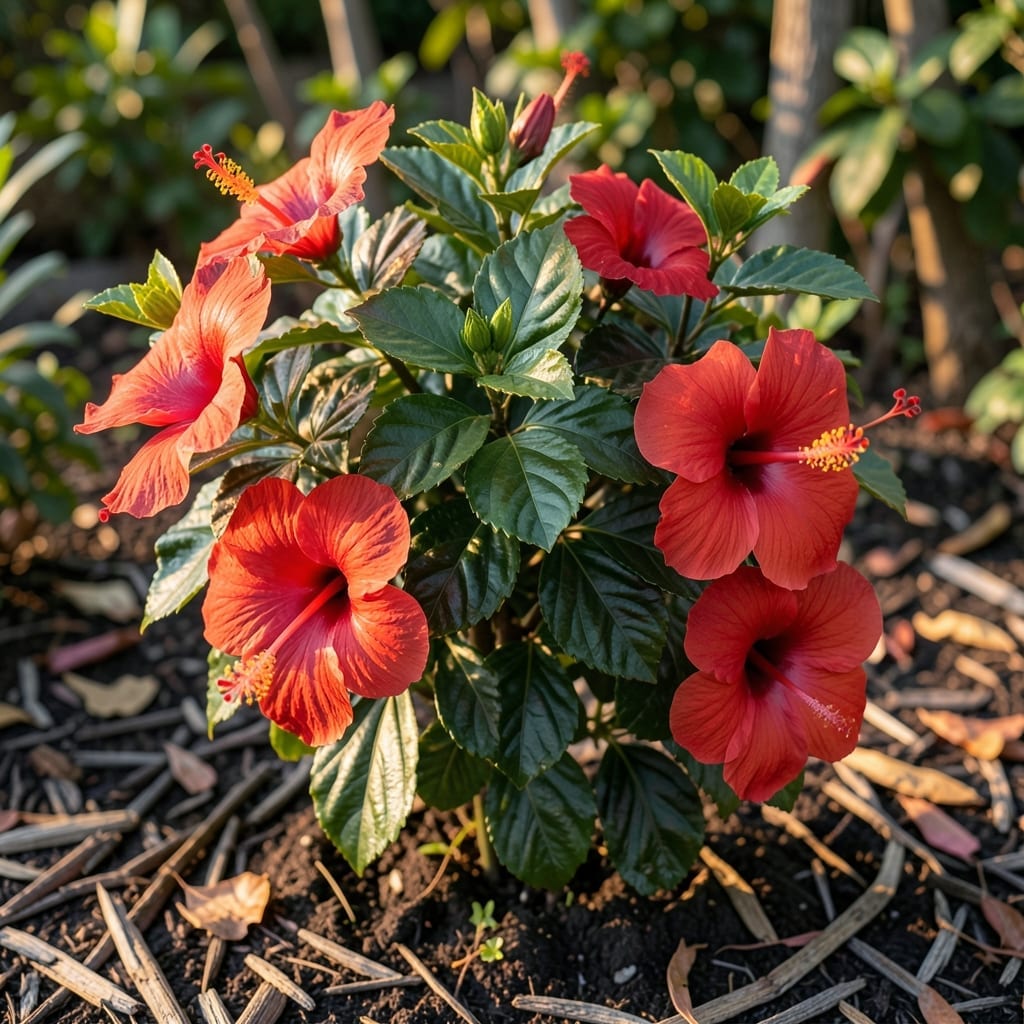
That moment when your hibiscus looks lifeless is terrifying. I’ve stood there staring at brown, crispy leaves wondering if it’s time to say goodbye or if there’s still hope.
Here’s the thing—hibiscus plants are surprisingly resilient. Even when they look completely dead, they often have life left in their roots. The key is knowing what signs to look for and what they mean.
You’ll learn to spot the difference between a plant that’s merely struggling and one that’s truly gone. Plus, I’ll share the exact steps to bring it back if there’s still a chance.
No fancy tools or special knowledge required—just a little patience and observation.
Understanding the root causes of hibiscus decline helps prevent irreversible damage. Below are the most common reasons your plant may be struggling, along with scientific explanations and actionable insights.
Hibiscus (Hibiscus rosa-sinensis) thrives in 60–90°F (15–32°C). Exposure to frost (<32°F/0°C) causes cell rupture, leading to blackened leaves and stem collapse. Conversely, heat above 100°F (38°C) triggers heat stress, wilting, and leaf scorch due to excessive transpiration. Fix: Move potted plants indoors during cold snaps or provide shade in extreme heat.
Overwatering suffocates roots by depleting oxygen in the soil, promoting root rot (caused by Phytophthora or Pythium fungi). Symptoms include yellowing leaves, mushy stems, and a foul odor. Underwatering, on the other hand, leads to xylem cavitation—where air bubbles block water transport—causing crispy, brown leaves. Fix: Water when the top 1–2 inches of soil are dry; ensure pots have drainage holes.
Sap-sucking pests like aphids, spider mites, and whiteflies weaken hibiscus by draining nutrients and spreading viruses (e.g., Hibiscus chlorotic ringspot virus). Severe infestations cause leaf curl, stunted growth, and premature leaf drop. Fix: Spray with neem oil or insecticidal soap weekly until pests are gone.
A lack of nitrogen (pale leaves), iron (yellowing between veins), or magnesium (yellow edges) disrupts photosynthesis. Hibiscus is a heavy feeder; poor soil or infrequent fertilizing starves it of essential elements. Fix: Use a balanced fertilizer (10-10-10) or a hibiscus-specific formula every 2–4 weeks in growing season.
Fungal diseases like powdery mildew (white powder on leaves) and bacterial leaf spot (black spots with yellow halos) thrive in humid, poorly ventilated conditions. These pathogens block stomata, reducing gas exchange and leading to defoliation. Fix: Prune affected areas, improve airflow, and apply copper fungicide preventatively.
If your hibiscus looks lifeless, don’t give up just yet! Below are targeted fixes for common issues, along with prevention tips to keep your plant thriving long-term.
If the soil smells sour or roots are mushy and black, stop watering immediately. Remove the plant from its pot, trim away rotten roots with sterilized shears, and repot in fresh, well-draining soil. Use a pot with drainage holes to prevent future issues. 💡 Pro tip: Water only when the top inch of soil is dry.
Dry, crispy leaves or yellowing often signal thirst or lack of nutrients. Soak the soil thoroughly until water drains from the bottom, then let it dry slightly between waterings. Feed with a balanced, water-soluble fertilizer (10-10-10) every 2–4 weeks during the growing season. ✨ Prevention: Mulch around the base to retain moisture.
Brown, scorched edges or faded leaves? Your hibiscus may be getting too much direct sun. Move it to a spot with bright, indirect light (especially in peak afternoon hours). If growing indoors, place it near an east- or west-facing window. 🌡️ Ideal: 6–8 hours of gentle sunlight daily.
Check the undersides of leaves for tiny bugs or webbing. Spray off pests with water or apply insecticidal soap or neem oil weekly until they’re gone. Isolate the plant to prevent spreading. 🎯 Prevention: Wipe leaves regularly to deter pests.
If leaves turn black or drop after a chill, your hibiscus may have suffered cold shock. Move it indoors or to a warmer spot (above 50°F/10°C). Prune dead growth to encourage new shoots. ❄️ Prevention: Cover outdoor plants with frost cloth in cooler months.
With the right care, even a struggling hibiscus can bounce back. Stay consistent, observe changes, and adjust as needed!
Scratch the bark gently with your fingernail. If you see green underneath, the stem is alive. Brown or dry tissue means it’s dead. Check multiple stems for accuracy.
This is a good sign! Green stems mean it’s still alive. Prune dead branches, water properly, and wait. New leaves often appear within 2–4 weeks with proper care.
It’s unlikely but not impossible. If the roots are firm and white, there’s hope. Cut back all dead growth, repot if needed, and maintain consistent moisture. Recovery takes patience.
Avoid fertilizing until the plant shows signs of recovery. Fertilizer can burn weak roots. Focus on proper watering and light first, then reintroduce a balanced fertilizer slowly.