
Beautiful Plants For Your Interior
Beautiful Plants For Your Interior
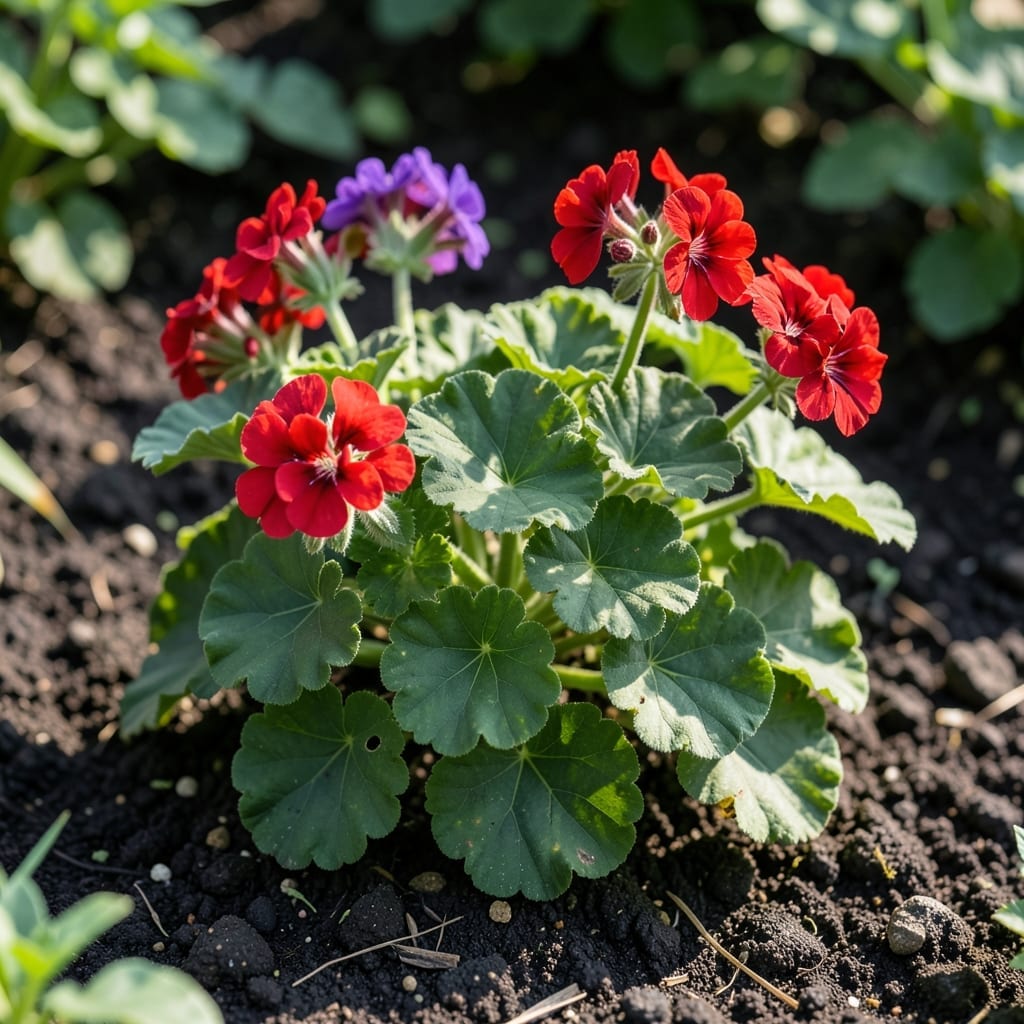
My geraniums looked perfect yesterday—today, Swiss cheese. 🌿 Those holes in the leaves aren’t random; they’re a red flag waving at you. I’ve dealt with this enough to know it’s usually pests, not disease, but the culprit changes by season.
Caterpillars, slugs, and Japanese beetles leave different calling cards. The pattern of damage tells you exactly who to blame. Once you spot the right signs, you’re halfway to fixing it.
Organic solutions work fast when you know what you’re targeting. A simple dawn patrol with a flashlight catches slugs red-handed. Neem oil handles most chewing insects in 24-48 hours.
Prevention beats treatment every time. Clean up fallen leaves, rotate pots, and inspect new plants before they join the crowd. Your geraniums will thank you.
Geraniums are hardy, but even these resilient plants can fall victim to a few persistent issues. Here’s why you might be seeing holes in the leaves:
The most likely culprit is insect activity. Japanese beetles and geranium budworms are notorious for chewing irregular holes in leaves. Japanese beetles skeletonize foliage during the day, while budworms (the larvae of Heliothis virescens) feed at night, leaving ragged edges. Slugs and snails also create large, uneven holes, often with a slime trail as evidence.
While less common, leaf spot diseases like Alternaria or Bacterium tabaci can cause small, water-soaked lesions that later develop into holes. These typically appear after prolonged moisture or poor air circulation. Infected areas may have a yellow halo or dark margins.
Extreme conditions can weaken geraniums, making them more susceptible to damage. High winds or hail may physically tear leaves, while overhead watering can promote fungal growth. Additionally, nutrient deficiencies (e.g., lack of potassium) can lead to brittle foliage that’s easier for pests to chew through.
Pro tip: Inspect leaves closely—pests often leave behind frass (insect droppings) or webbing, which confirms their presence.
Geraniums are hardy, but even they need a little help when pests or diseases strike. Here’s how to tackle the most common causes of holes in geranium leaves, with simple, actionable fixes and prevention tips to keep your plants thriving.
With these targeted solutions, your geraniums will bounce back—hole-free and healthy! Stay vigilant, and address issues early to prevent them from spreading.
Look for clues like slime trails (slugs), ragged edges (budworms), or skeletonized leaves (Japanese beetles). A flashlight at night helps spot nocturnal pests.
Neem oil is effective against most chewing insects like aphids and spider mites. Apply every 3-5 days until pests are gone, but it won’t stop slugs or snails.
Overwatering itself doesn’t create holes, but it weakens plants and attracts pests that do. Ensure soil dries between waterings and use containers with drainage.
Ladybugs and lacewings eat aphids and other soft-bodied pests. Attract them by planting nectar-rich flowers nearby.