
Beautiful Plants For Your Interior
Beautiful Plants For Your Interior
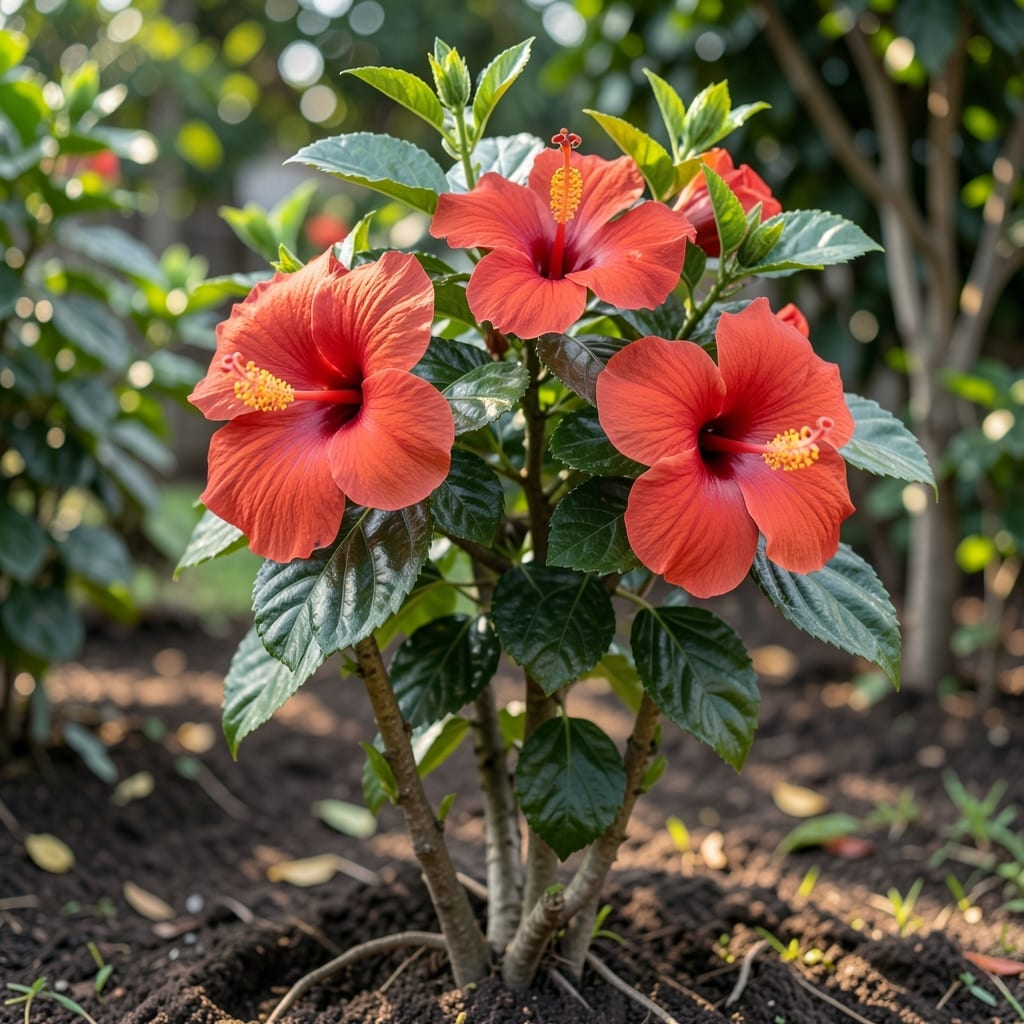
Nothing beats watching new hibiscus growth emerge after a good pruning. I’ve learned that this is when the magic starts happening—fresh, green shoots that promise an explosion of color later in the season.
These tender new stems are delicate, though. Too much sun, not enough water, or a late frost can set them back weeks. The key is giving them just enough care without smothering them.
Within 2-3 weeks, those little sprouts will double in size if conditions are right. You’ll see dark green leaves unfurling daily, and the first flower buds won’t be far behind.
Works for tropical and hardy varieties alike. This is how to make it happen.
Hibiscus plants produce fresh growth as a natural part of their lifecycle, but several factors can trigger or accelerate this process. Understanding these causes helps gardeners encourage healthy, vibrant blooms.
Hibiscus are perennial plants that follow seasonal patterns. In warm climates, they enter active growth phases in spring and early summer, when temperatures rise (typically above 60°F/15°C) and daylight increases. This triggers auxin and cytokinin hormones, stimulating cell division in meristematic tissues (growth points). In tropical regions, hibiscus may grow year-round if conditions remain favorable.
Pruning removes old or damaged branches, redirecting the plant’s energy toward new shoots. When you cut back a hibiscus, the apical dominance (growth suppression by the main stem’s tip) is broken. This allows lateral buds to sprout, leading to bushier growth. For best results, prune just above a leaf node—this is where new growth hormones concentrate.
New growth surges when hibiscus receive consistent moisture and balanced fertilization. Nitrogen-rich fertilizers (e.g., 10-4-12 NPK) promote foliage development, while phosphorus supports root and flower growth. Overwatering or nutrient deficiencies (like magnesium or iron) can stall new growth, so maintain well-draining soil and fertilize every 4–6 weeks during the growing season.
Hibiscus thrive in full sun (6+ hours daily). Sunlight drives photosynthesis, producing the sugars and energy needed for new stems and leaves. Insufficient light leads to leggy, weak growth. If your plant isn’t flourishing, check for shade from nearby structures or trees and adjust its placement.
If your hibiscus isn’t producing vibrant new growth, these targeted fixes will help restore its health and encourage lush blooms. Address the root causes with simple, actionable steps.
Pruning at the wrong time or too aggressively can stunt growth. Fix: Prune in early spring before new growth starts, removing only dead or weak branches. Use clean, sharp shears to make angled cuts just above a leaf node. This stimulates fresh shoots and prevents disease.
Prevention tip: 💡 Sterilize tools with rubbing alcohol between cuts to avoid spreading pathogens.
Both overwatering and drought stress hibiscus. Fix: Water deeply when the top inch of soil feels dry, aiming for 1–2 inches per week (more in extreme heat). Ensure pots have drainage holes to prevent root rot.
Prevention tip: 🌡️ Use a moisture meter to monitor soil hydration, especially in containers.
Yellowing leaves or stunted growth often signal a lack of nutrients. Fix: Apply a balanced, water-soluble fertilizer (10-10-10 or 20-20-20) every 2–4 weeks during the growing season. For blooms, switch to a high-phosphorus formula (e.g., 7-9-5) in summer.
Prevention tip: ✨ Mix compost into the soil at planting to provide slow-release nutrients.
Aphids, whiteflies, or spider mites sap energy from new growth. Fix: Spray plants with a mix of 1 tsp mild soap + 1 quart water, focusing on leaf undersides. For severe cases, use neem oil. Repeat every 5–7 days until pests are gone.
Prevention tip: 🎯 Encourage ladybugs and lacewings (natural predators) by planting companion flowers like marigolds.
Hibiscus needs 6+ hours of sunlight daily for robust growth. Fix: Move potted plants to a sunnier spot or trim nearby trees shading in-ground bushes. If indoors, place near a south-facing window or use grow lights.
Prevention tip: 🔥 Rotate container plants weekly to ensure even light exposure.
Water when the top 1 inch of soil feels dry. New growth needs consistent moisture but never soggy soil. Aim for 1-2 inches per week, adjusting for heat or drought.
Yellowing often signals nutrient deficiency or overwatering. Check for magnesium or iron shortages, or ensure pots have drainage. Adjust care based on soil moisture.
Apply a balanced fertilizer every 2-4 weeks during growing season. Switch to high-phosphorus in summer for blooms. Always water before and after feeding.
Avoid heavy pruning while new shoots emerge. Light trimming to shape is fine, but major cuts can stress the plant. Wait until growth slows for significant pruning.