
Beautiful Plants For Your Interior
Beautiful Plants For Your Interior
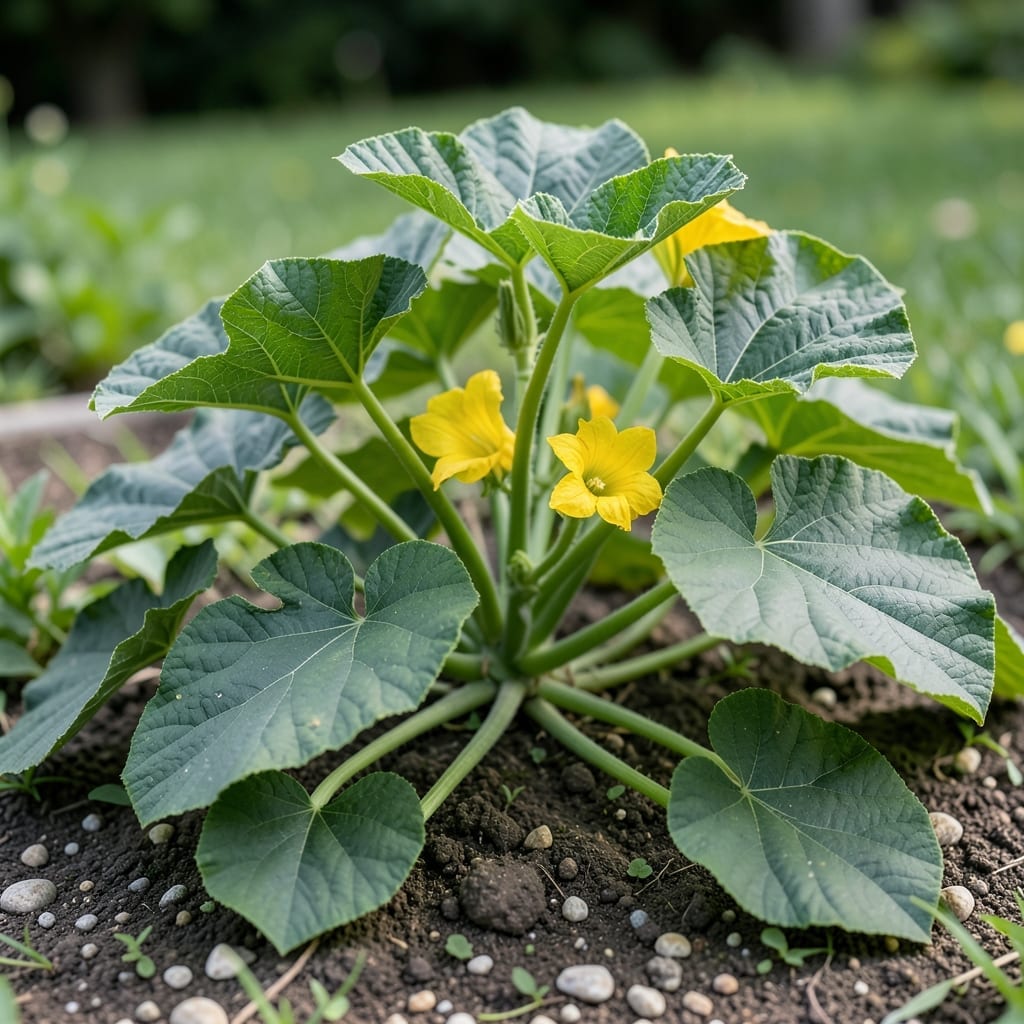
Squash leaves tell you everything about your plant’s health. I learned this the hard way after losing an entire crop to powdery mildew one summer.
Now I check the undersides weekly for early signs. Healthy leaves stay deep green with a firm texture, while problems show as spots, yellowing, or white powder. Catching issues early means revival is possible with simple organic treatments.
📚 In This Guide
Here’s my go-to method for keeping squash foliage lush, green, and free from common problems.
I start by checking the leaves every 2-3 days for discoloration, spots, or wilting. Healthy squash leaves are deep green, firm, and slightly fuzzy. Yellowing at the edges often signals underwatering, while yellow patches in the middle usually mean too much moisture.
Look underneath the leaves too—that’s where pests like aphids and squash bugs gather first. Catching issues early prevents them from spreading to the entire plant. A quick inspection takes less than 5 minutes but saves weeks of recovery time.
Squash leaves are susceptible to fungal diseases like powdery mildew, which thrives on wet foliage. I always water at the soil level, using a soaker hose or carefully directing the stream to the base of the plant. This keeps the leaves dry while ensuring the roots get the moisture they need.
Water deeply in the morning so the soil stays moist but the leaves have time to dry before evening. Aim for 1-2 inches of water per week, adjusting based on rainfall and soil dryness. If the top inch of soil feels dry, it’s time to water again.
Squash plants need full sun (at least 6-8 hours daily) to keep their leaves vibrant and productive. If your plants are in shade, they’ll grow leggy with pale, weak leaves. I space my squash plants 3-4 feet apart to allow airflow between them, which reduces humidity and discourages fungal growth.
If you notice leaves turning yellow or developing white spots, it might be sunburn from sudden exposure. Gradually acclimate plants to brighter conditions if they’ve been in shade. Proper spacing and sunlight exposure are key to maintaining that rich, healthy green color.
At the first sign of trouble—brown spots, holes, or wilting—I remove the affected leaves with clean scissors or pruners. Cut just above a leaf node to avoid damaging the stem. This prevents the issue from spreading and redirects the plant’s energy to healthier growth.
Don’t wait until the leaf is completely dead. The moment you see 30% damage, it’s time to prune. I also remove any leaves touching the soil to reduce the risk of rot or pest infestations. Regular pruning keeps the plant focused on producing strong, new foliage.
Squash plants are heavy feeders, and their leaves reflect their nutritional status. I apply a balanced organic fertilizer every 3-4 weeks during the growing season. Compost tea or fish emulsion works well for a quick boost, while side-dressing with compost enriches the soil over time.
If leaves turn pale green or yellow between the veins, the plant likely needs nitrogen. For curled or distorted leaves, a lack of potassium or magnesium might be the issue. Adjust your feeding accordingly, and you’ll see new growth come in vibrant and strong within 7-10 days.
The details that separate thriving plants from struggling ones.
The Inspection Window: Those 2-3 days between leaf checks are critical—pests and diseases can spread rapidly. I learned this the hard way after losing a plant to squash bugs that multiplied undetected. Trust me, a quick 5-minute scan every few days saves you weeks of heartache.
Watering Wisdom: The 1-2 inches of water per week guideline works perfectly if you stick to morning watering. I use a soaker hose to deliver moisture directly to the roots while keeping leaves bone dry. If you notice the top inch of soil feeling dry, that’s your green light to water again.
Sunlight Strategy: Don’t underestimate the 6-8 hours of daily sun requirement. I once planted squash in partial shade, and the leaves turned pale and spindly. The 3-4 feet spacing isn’t just about airflow—it ensures each plant gets its fair share of sunlight without shading its neighbors.
Pruning Precision: That 30% damage threshold for pruning isn’t arbitrary. I waited too long once, and the problem spread to the entire plant. Clean cuts just above the leaf node help the plant heal faster and focus energy on healthy new growth.
Healthy squash leaves are deep green, firm, and free of spots or yellowing. They should feel slightly rough to the touch and show no signs of wilting or holes from pests.
Yellowing can result from overwatering, nutrient deficiencies (like nitrogen), or pests like spider mites. Check soil moisture and inspect the undersides of leaves for bugs.
Yes! Squash leaves are edible and packed with vitamins A, C, and iron. Cook them like spinach or add to soups. Always wash thoroughly and avoid leaves treated with pesticides.
Trim damaged leaves, ensure proper drainage, and adjust watering. Apply compost or organic fertilizer to boost nutrients. If pests are the issue, use neem oil or insecticidal soap.
If persistent issues arise, consider disease-resistant squash varieties like ‘Black Beauty’ zucchini or ‘Butternut Waltham.’ Rotate crops yearly to prevent soil-borne diseases.