
Beautiful Plants For Your Interior
Beautiful Plants For Your Interior
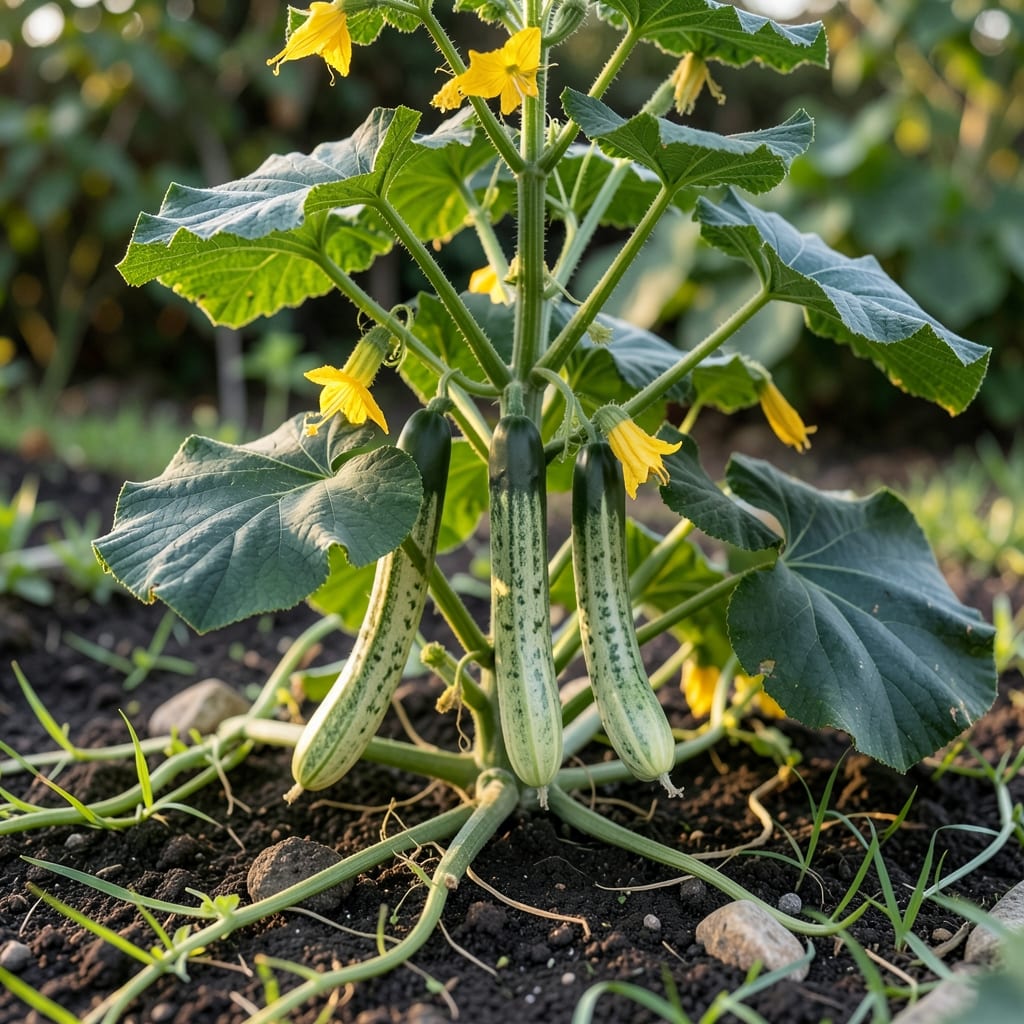
Spotted curled cucumber leaves in your garden this morning? Don’t panic—I’ve seen this exact issue dozens of times, and it’s usually fixable with early action.
Those tight, crinkled leaves aren’t just ugly; they’re your plants crying for help. Could be aphids, virus, or just too much stress from heat or water. The good news? Most causes have simple organic solutions.
I fixed my last batch with a neem oil spray and better watering. Within 48 hours, new growth came in normal. The key is catching it before the whole vine suffers.
This guide helps you play detective and nurse your cucumbers back to health.
Curled cucumber leaves are often a sign of underlying stress or disease. Below are the most common causes, explained with clear, actionable insights.
Extreme temperatures, especially heat above 90°F (32°C), can cause leaves to curl as a protective response to reduce water loss. Similarly, cold snaps below 50°F (10°C) slow metabolism, leading to stunted growth and deformation. Uneven watering—either drought or waterlogging—also triggers curling by disrupting nutrient uptake.
Sap-sucking pests like aphids, whiteflies, or spider mites drain plant fluids, causing leaves to distort and curl. Check the undersides of leaves for sticky residue (honeydew) or fine webbing. These pests also spread viruses, compounding the damage.
Diseases such as cucumber mosaic virus (CMV) or powdery mildew often present with curled, yellowed, or mottled foliage. CMV is spread by aphids, while powdery mildew thrives in humid, poorly ventilated conditions. Fungal issues like downy mildew may also cause leaf edges to curl upward.
A deficiency in magnesium, calcium, or potassium can lead to leaf curling. For example, magnesium deficiency often causes interveinal chlorosis (yellowing between veins) alongside curling. Over-fertilization, particularly with nitrogen, can also stress the plant, resulting in deformed growth.
Exposure to 2,4-D or glyphosate—common in broadleaf weed killers—can cause severe leaf curling, cupping, or twisting. Even small amounts drifting from nearby applications can harm cucumber plants, which are highly sensitive to synthetic herbicides.
Once you’ve identified the cause of your cucumber leaves curling, targeted solutions can restore plant health quickly. Below are actionable fixes for each common issue, plus prevention tips to keep your vines thriving.
Fix: Water deeply at the base in the early morning to reduce evaporation. Use shade cloth during peak afternoon heat (especially above 90°F). Mulch with straw to retain soil moisture.
Prevent: Install drip irrigation for consistent moisture. Choose heat-tolerant cucumber varieties like ‘Straight Eight’ or ‘Lemon’.
Fix: For aphids or spider mites, blast leaves with water to dislodge pests, then apply neem oil or insecticidal soap (reapply every 5–7 days). Introduce beneficial insects like ladybugs. For whiteflies, use yellow sticky traps.
Prevent: Inspect leaves weekly, especially the undersides. Plant companion flowers like marigolds or nasturtiums to deter pests. Rotate crops yearly to break pest cycles.
Fix: Remove and destroy infected leaves (do not compost). Apply a copper-based fungicide or a baking soda spray (1 tsp baking soda + 1 quart water + a drop of dish soap) for mild cases. Improve airflow by pruning dense foliage.
Prevent: Space plants 12–18 inches apart for ventilation. Water at the soil level to keep leaves dry. Avoid overhead watering in the evening.
Fix: Let the top 1–2 inches of soil dry out before watering again. If roots are waterlogged, improve drainage by amending soil with compost or planting in raised beds.
Prevent: Use well-draining soil and containers with drainage holes. Test soil moisture with your finger before watering.
Fix: For nitrogen deficiency (pale leaves), side-dress with compost or use a balanced organic fertilizer. For magnesium (yellowing between veins), apply Epsom salt (1 tbsp per gallon of water) as a foliar spray.
Prevent: Conduct a soil test before planting. Enrich soil with aged manure or compost at planting time and mid-season.
💡 Pro Tip: Act at the first sign of curling—early intervention often means the difference between a minor setback and a lost crop!
Check leaf undersides for tiny insects or sticky residue called honeydew. Spider mites leave fine webbing, while aphids cluster near new growth.
Mild stress cases often improve with consistent watering and shade. Severe damage from pests or disease may require removal to protect the plant.
Yes, if the issue is environmental or pest-related. Wash thoroughly. For viral infections, discard fruit from heavily damaged vines.